
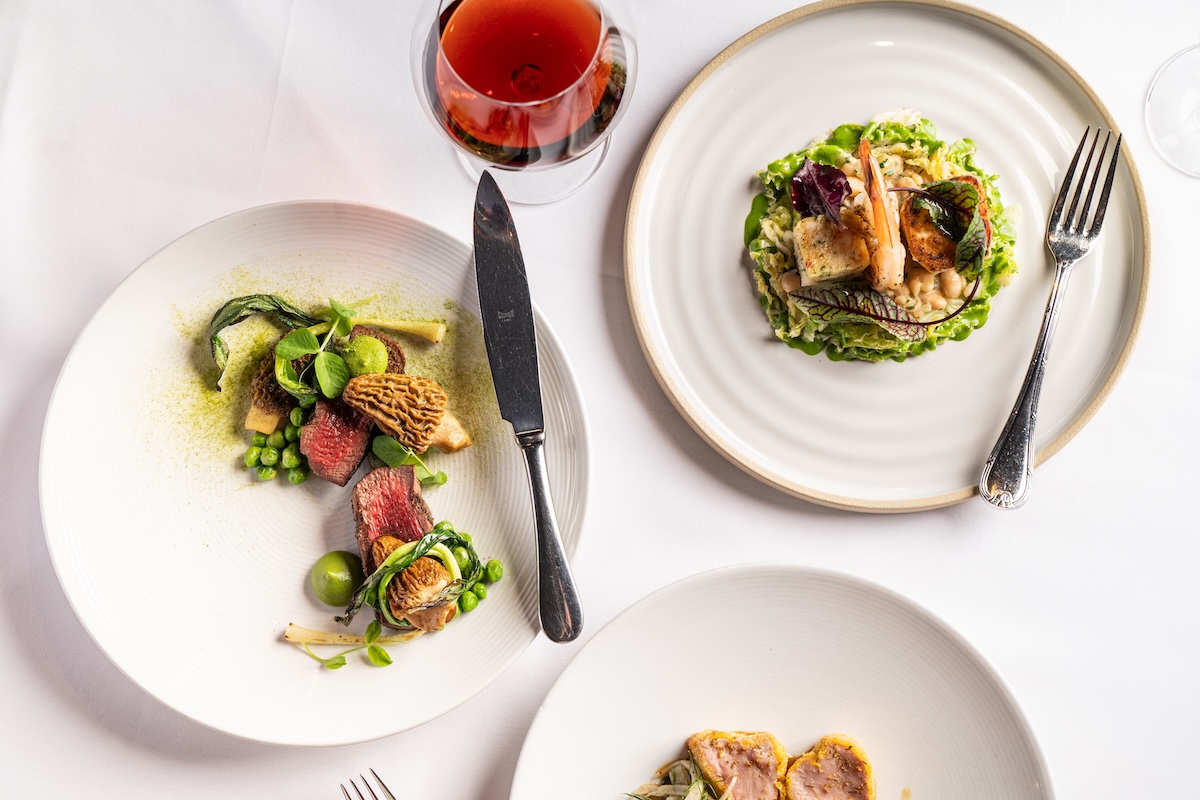
Welcome to #TBT, or Throwback Thursdays, where we revisit some of the Denver metro area’s tried and true restaurants that have become institutions. For example, the 33-year-old Barolo Grill. Over time, these places have weathered the shifts in our city’s restaurant landscape. As flashy newcomers enter and exit, these restaurants, bars, and cafes remain, though sometimes get overlooked by the fickle short-term attention span of a social media-driven obsession with the new and the now.
Since 1992 Barolo Grill has acted as the nexus between Denver and regional Italian cuisine in the Cherry Creek North neighborhood. This restaurant is the kind of place where Ryan Fletter worked his way up from a server to wine director to owner, and chef Darrel Truett has spent more than 20 years in the kitchen.
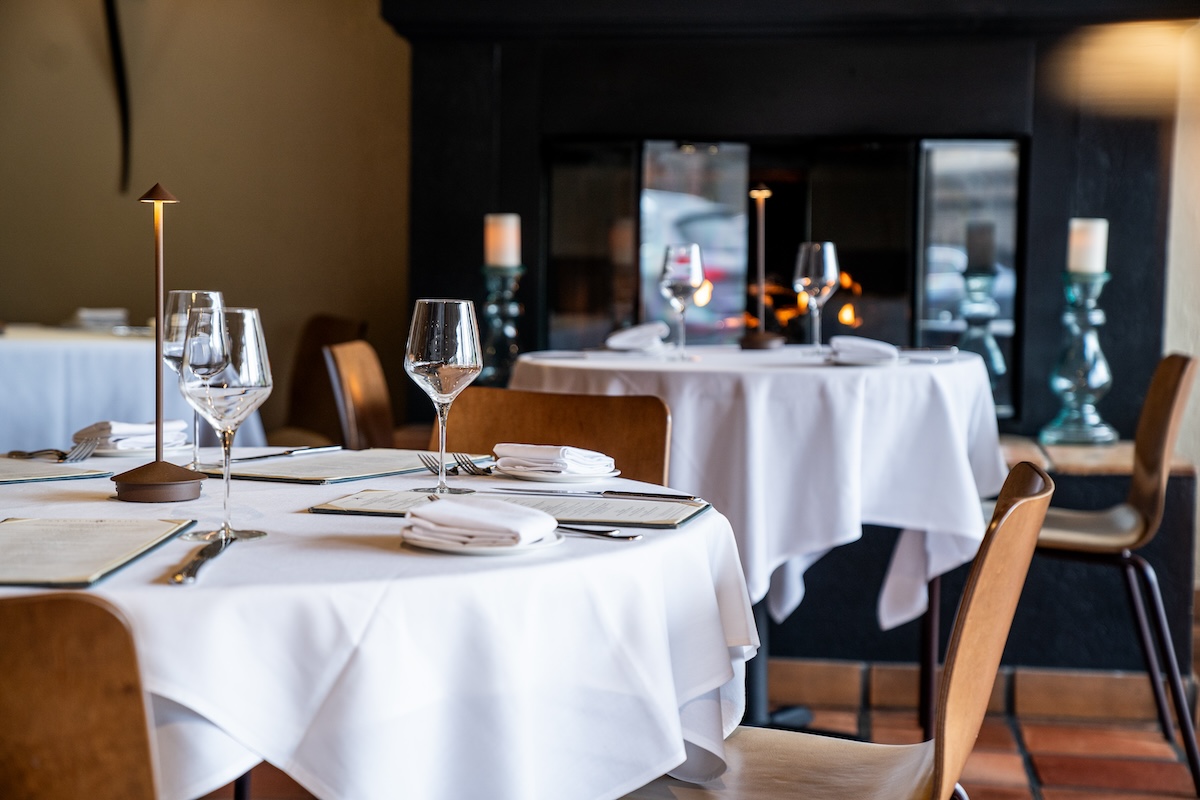
The Mile High City staple has built a reputation on fresh foods, quality ingredients, and a dedication to the art of Italian cooking. All this within a sophisticated but comfortable ambiance, earning awards and long-term fans for the winning combination.
The Origins of Barolo Grill
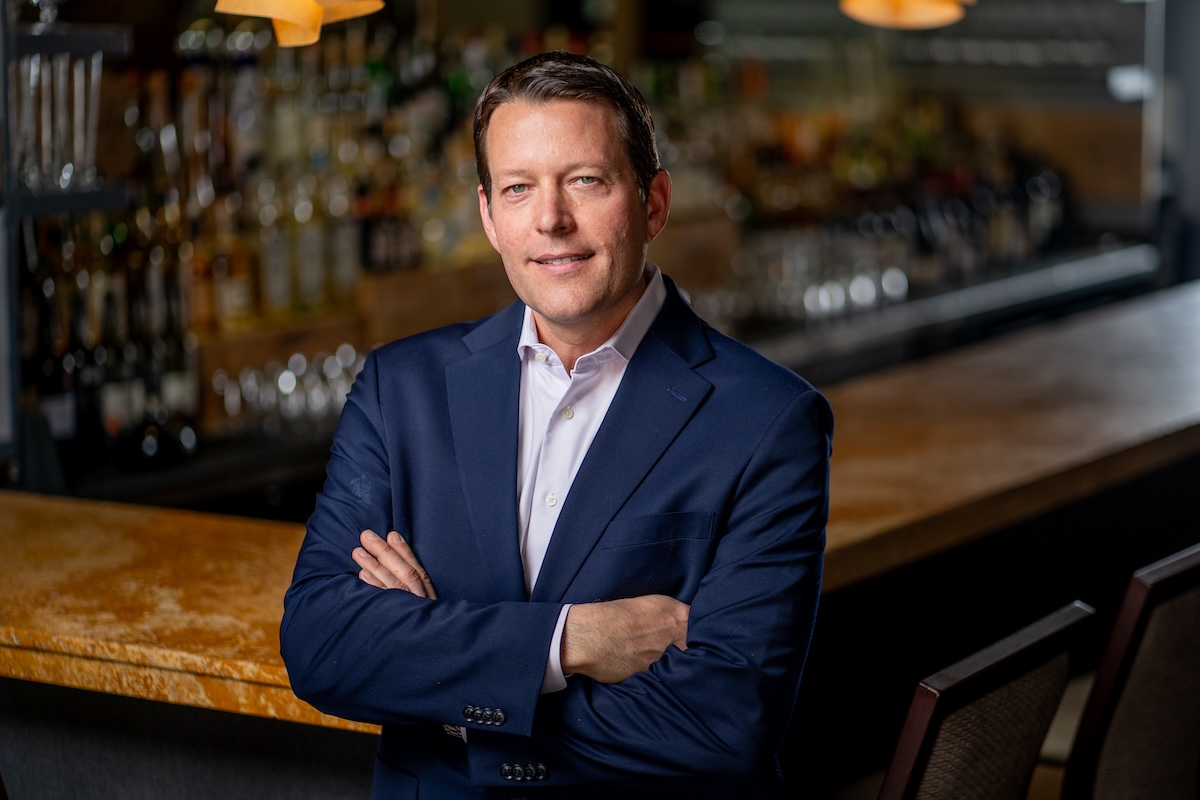
Today’s Barolo Grill owner Ryan Fletter remembers walking through the doors of the restaurant as a new employee, just 18 months after opening. At that time, said Fletter, paper still topped the tables and he never expected he’d be still at the eatery, and in charge of it, more than 30 years later.
In 1992 restaurateur Blair Taylor had just opened Barolo as a nod to “rustic elegance” and the food of Piedmont, Italy. The idea was to have a casual spot that served elevated Italian food in an easy-going atmosphere. Taylor also wanted to open the restaurant in what he felt was the middle of the city near Congress Park, Cherry Creek, Hilltop, and Capitol Hill, with both wealthy and middle class residents.
At the time Taylor’s restaurant marked a departure from established Denver dining stalwarts such as the now-closed Strings, Buckhorn Exchange, Tante Louise, and others. Fletter said no one was sure the concept of Barolo Grill would work.
“Most of those restaurants felt really old and stuffy that had been around a long time,” said Fletter. “The owners and the sommeliers or the maitre d’s were wearing, you know, suits and ties and coats.”
Barolo, by contrast, wanted an Italian-homespun-classiness vibe meant to evoke Piedmont, a region bordering the Alps known for its food, wine and culture. It worked, and it’s a vibe and aesthetic that continues to dominate the restaurant today.
Personalized Italian Inspiration
Within three years of opening, Barolo distinguished itself from other Denver restaurants by beginning the transatlantic tradition of bringing employees to Piedmont and other areas of Italy for a 10-day trip, which still happens to this day. While there, the staff has the opportunity to mingle with proprietors of wineries and farms to learn the history of the foods and drinks the restaurant serves to Colorado diners.
It’s now been 30 years, and during those 10 days in July the entire restaurant closes down to facilitate the Italian adventure. Fletter believes this firsthand experience gives the staff appreciation for their work, and has contributed to both Barolo’s longevity and its loyal clientele.
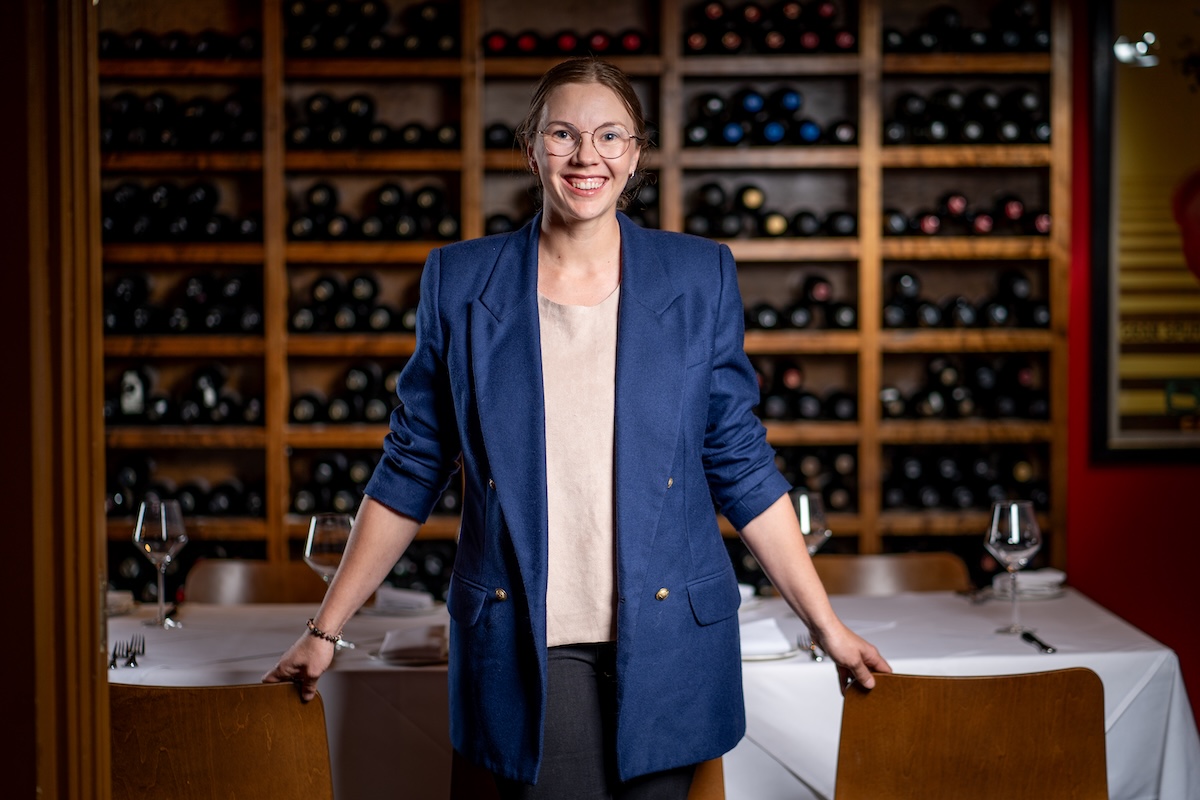
“Having a lot of senior staff on our front-of-house side, who’ve been on multiple trips, [and] who’ve met these producers, they have the dexterity to speak to all of this in a much deeper way,” said Erin Lindstone, wine director and wine buyer for Barolo Grill.
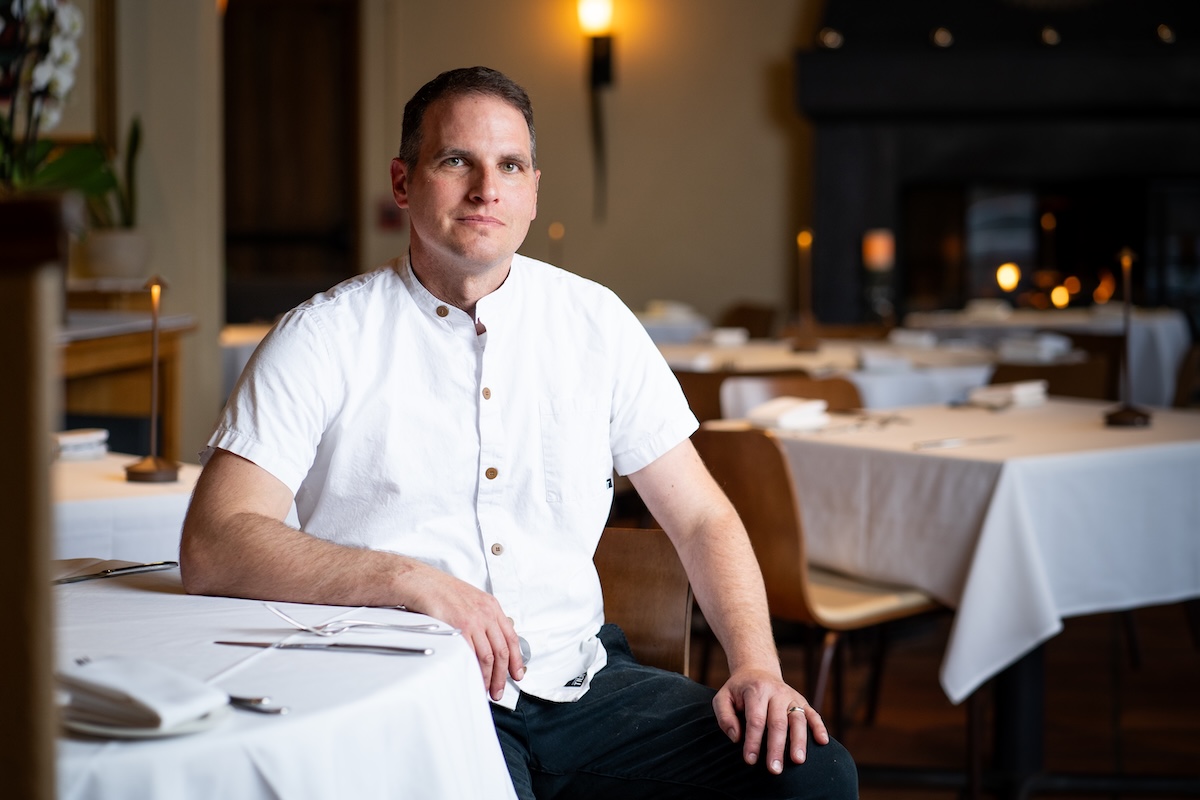
Barolo’s close ties to its Italian inspiration has also prompted diners to make their own exploratory journeys abroad, added Fletter.
“I’ve had people who never heard of Barolo (the area in Italy) who’ve now been to the Barolo wine region 10 times and maybe even studied there,” laughed Fletter. “People come back speaking Italian to me.”
The Food
For executive chef Darrel Truett, who’s been with Barolo for more than 20 years, he draws creativity from the trips as well, particularly when it comes to presentation and ingredients.
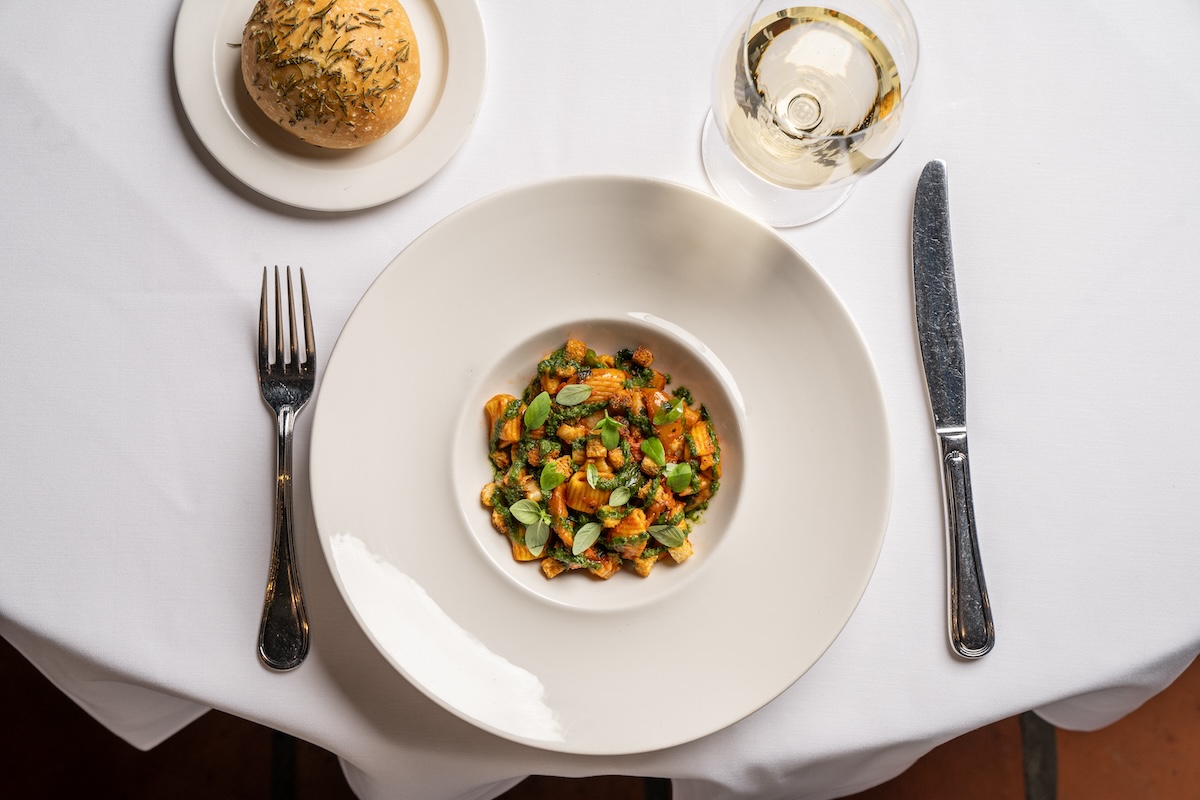
“The first thing I think about when I’m making a dish is: How does it look? Is it pretty? I want [diners] to be able to eat it with their eyes first,” said the chef. “Of course, it has to taste good, but presentation is definitely something I really think about. I want all the food to be colorful and really, really fun to look at.”
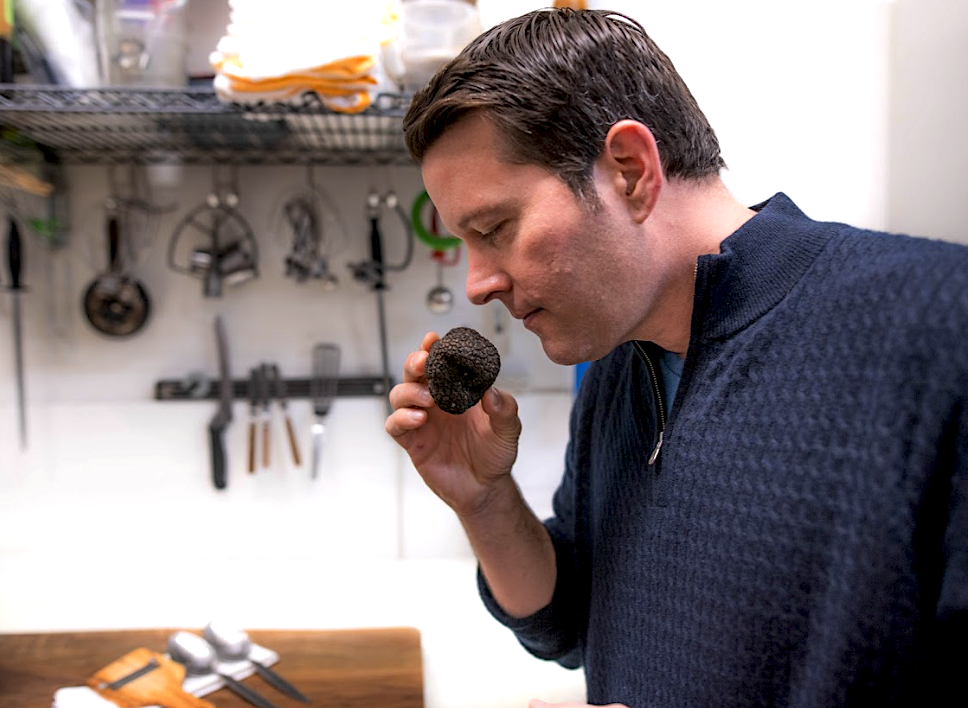
There are still favorite items on the menu that debuted at the same time as the restaurant. For example, the rosemary focaccia bread, braised duck, and creme brulee.
“Some of the dishes that I learned my first week here, we still do currently,” added Truett. “It kind of shows we do classic dishes, but then we also try to invent new ones and get inspiration from current restaurant trends.”
The menu showcases elegant, Piedmont-focused dishes, with an emphasis on local Colorado ingredients. During a recent conversation, the chef raved about the local celery and cranberries he used for the holiday seasonal dishes.
While many dishes remain consistent, the menu transformed post-COVID. Today diners will find more vegetarian options, seafood, and gluten-free dishes. It also went from a tasting-menu style to a la carte.

For Lindstone and the wine program, the format change made her even more exciting and imaginative, she said. Now Barolo uses the Coravin system, a wine preservation device that allows pours from the bottle without pulling the cork, keeping wine inside fresher for extended periods of time. Before that, the wines would all be paired with the tasting menu. This way, not only do the diners have more options, but she gets to play around with the list too.
All these changes have not only impacted the staff and diners, but also helped gain them Michelin Guide recommendation. At the inaugural 2023 Michelin Awards in Colorado, Fletter and Lindstone won the organization’s Colorado Sommelier Award.
Stewarding a Legacy
Fletter and some of his long-term coworkers have been returning to Italy for so many years that they’ve watched new generations take over the family wineries and culinary businesses. Fletter himself was part of the change in Denver when he bought the restaurant in 2015 from founder Blair Taylor. This move lifted him to the final level of his server to manager to sommelier to boss journey.
“By the time I was ready to take ownership, it just felt and seemed like the world was telling me to do this,” he said, adding the staff and customers all supported the change. “Everybody wanted it to happen this way, because that was a way to ensure its continued growth and success. I almost felt like it was an obligation to be the steward of it, so that it wouldn’t go into a wrecking zone.”
In the decade-plus since, he and the rest of the Barolo team have endeavoured to maintain its original “rustic elegance,” beloved by loyal customers. One family, for example, returns for a reunion dinner annually on the night before Thanksgiving.
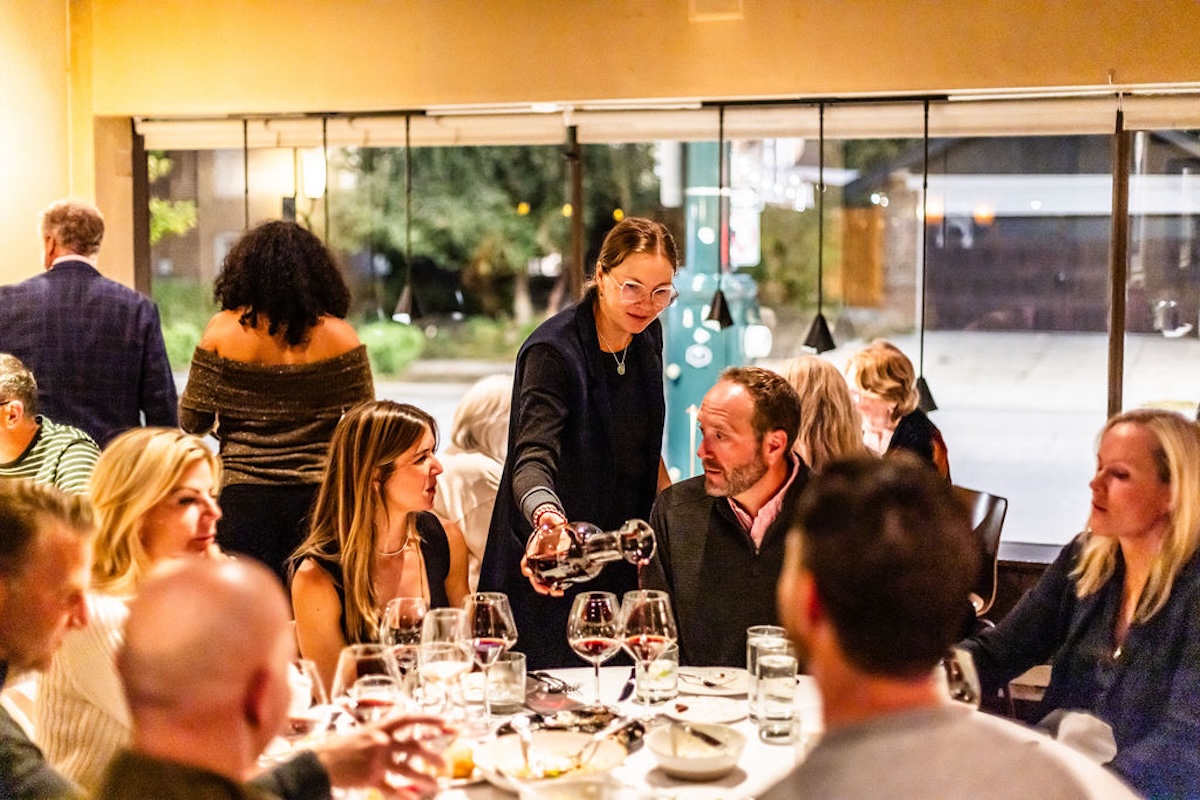
“That sort of sense of familiarity is here, also with the staff,” Fletter said. “Because there’ll be those who look at me and go, ‘Oh my God, you used to wait on our family or used to serve wine to us and now you’re here holding up the whole thing and you’re shoveling the snow out the front door.”
While shifts have happened to the space and menu, what Fletter hopes will never change is the restaurant’s place in the Denver community. So far, he’s gotten his wish.
Visit Barolo Grill from 5 to 9:30 p.m. on Tuesday through Saturday. 3030 E. 6th Ave., Denver, barologrilldenver.com
