Delmonico’s antedates New York City as we know it. Picture the landscape, before skyscrapers, before the Brooklyn Bridge (1870), before the Statue of Liberty greeted ships in the harbor (1886), and even before the borough of Manhattan itself (1898). The city revolved around its downtown waterfront: a forest of masts crowded more than 40 piers, connecting the Old World and the New. Merchants, financiers, sailors, and immigrants poured through the port each day. New York was booked and busy, and increasingly wealthy.
Yet for all its ambition, it lacked something we now take for granted. That would be the modern restaurant. Yes there were inns, coffee houses, and oyster cellars and taverns — Fraunces Tavern was already a well-established watering hole – but dining out was largely functional. Lunch was more likely to be a sandwich stuffed in a pocket and eaten on the go than a leisurely meal chosen from a menu. Then came two Swiss-Italian brothers.
New York’s Restaurant Renaissance
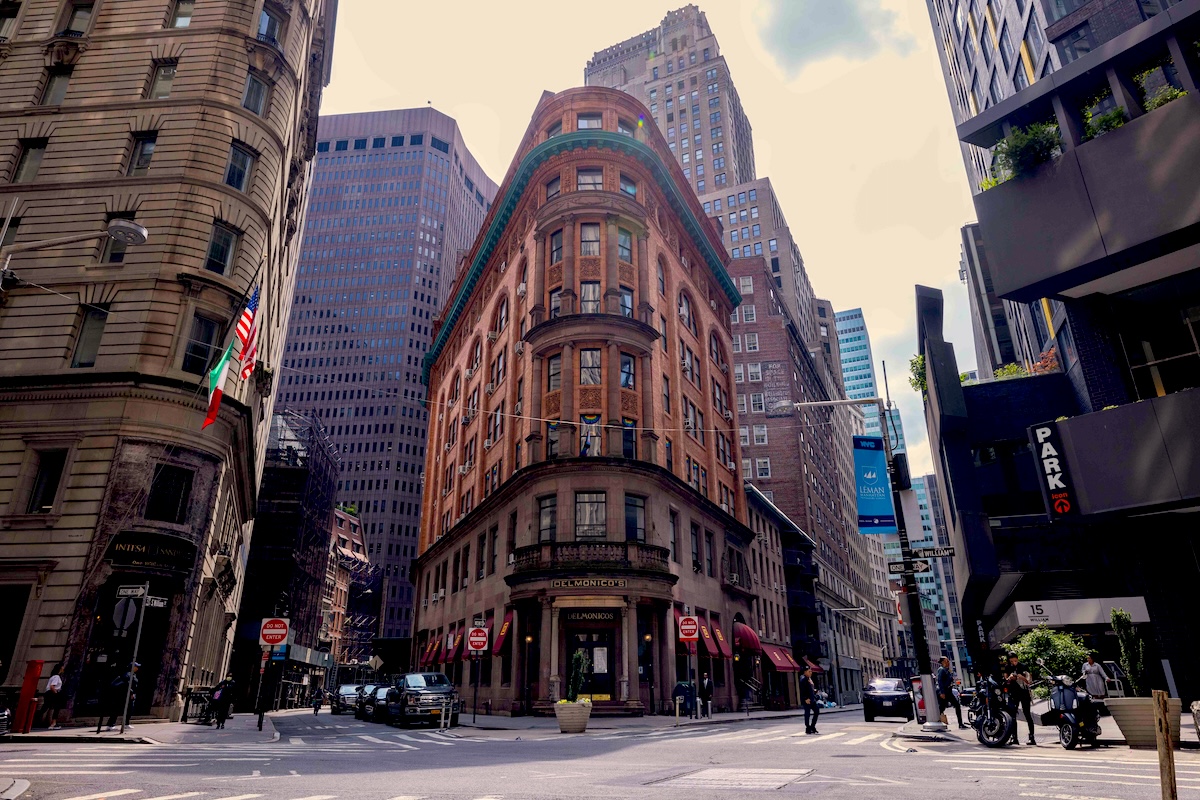
Those siblings, Giovanni and Pietro Delmonico, first opened a small confectionery in 1827 dubbed Delmonico & Brother. A decade later they relocated it to a triangular plot on 56 Beaver Street, and transformed it into something America had never seen. There were printed à la carte menus, separate wine lists, private dining rooms, a level of culinary enterprise, and service the country had never experienced.
Delmonico’s Restaurant was born, and it marked an entirely new way of eating, and became widely regarded as America’s first true restaurant.
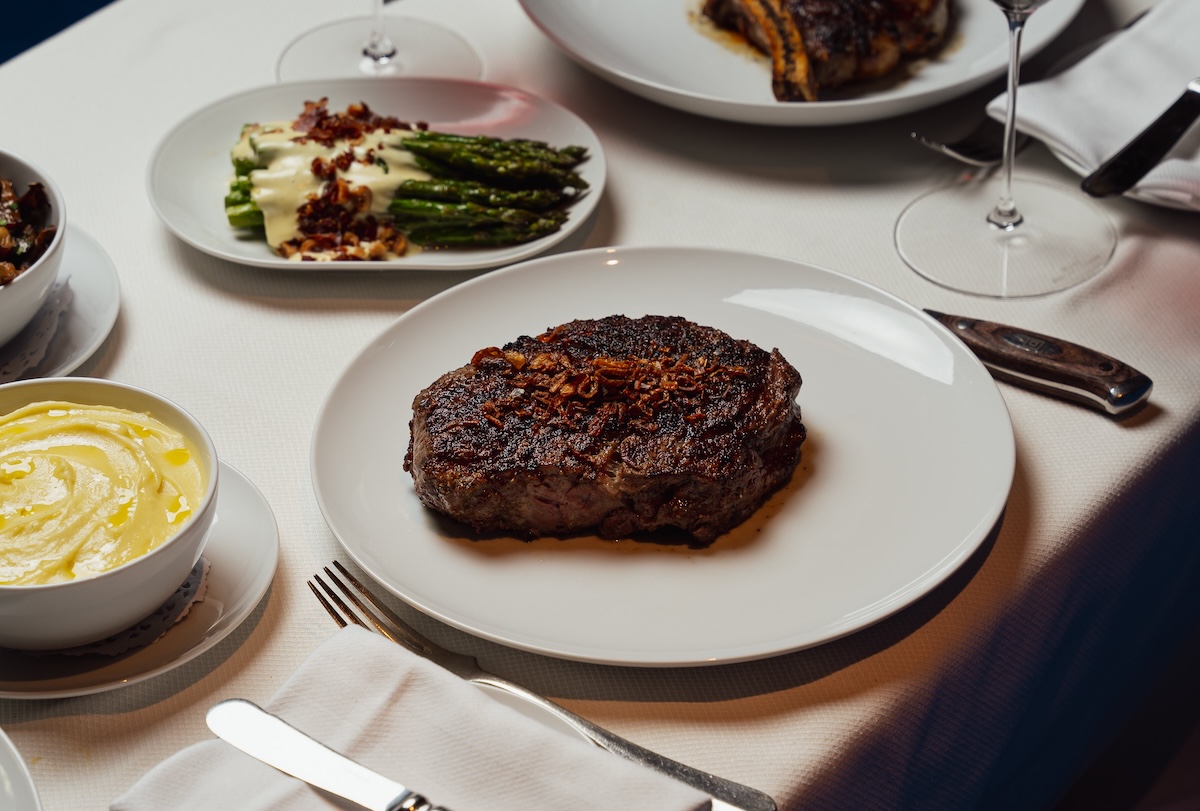
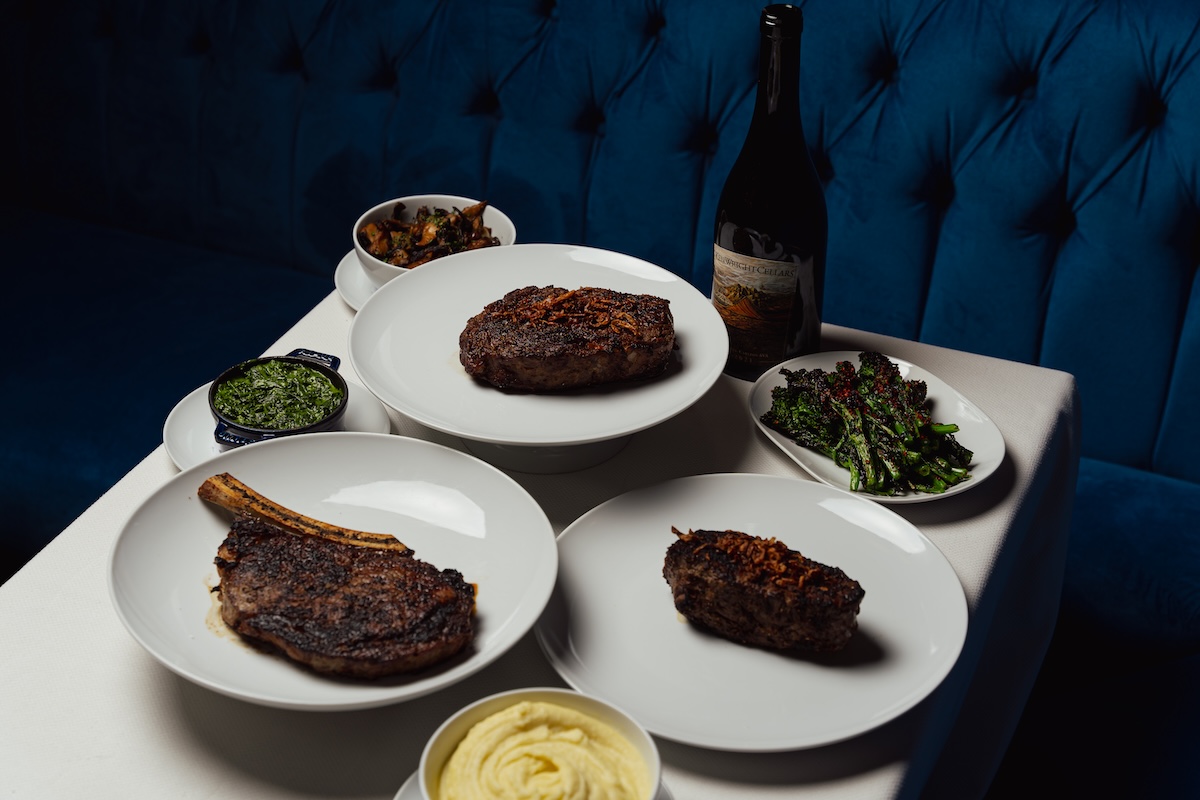
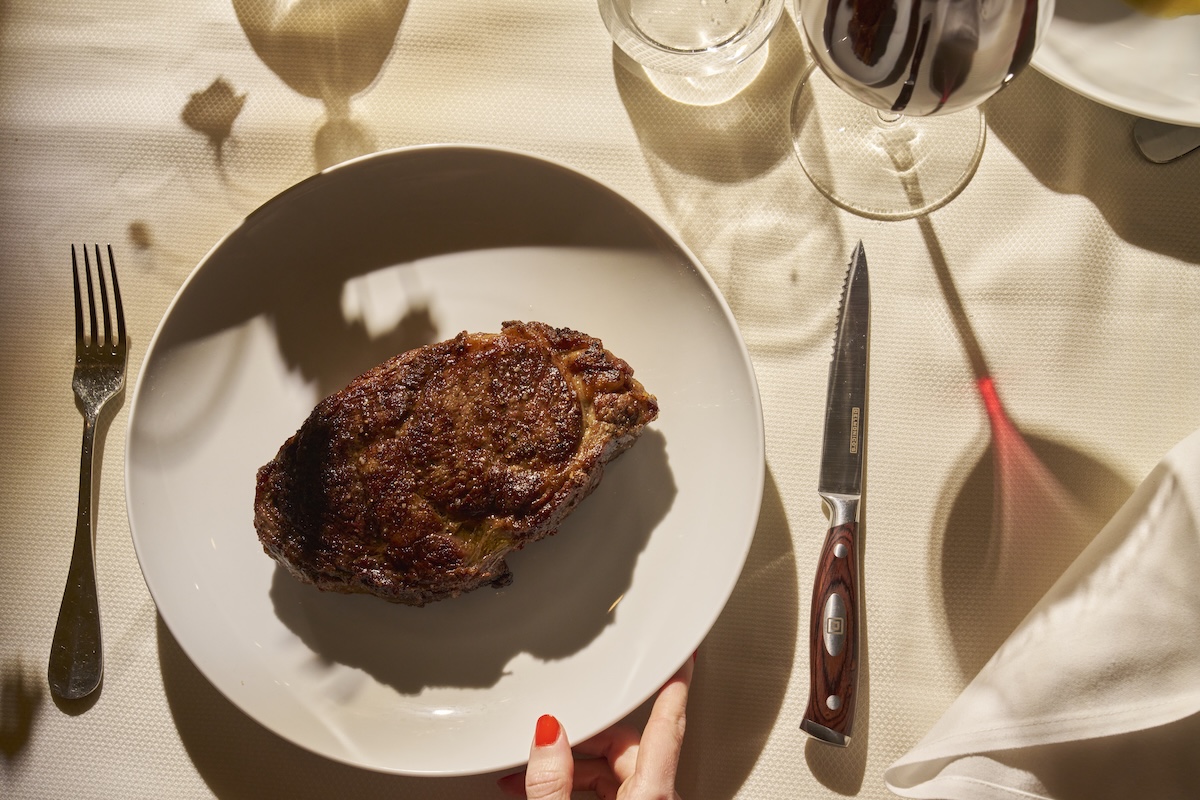
Quickly the concept became synonymous with luxury. Its private rooms offered discreet spaces for New York’s elite, while beneath the dining room lay a wine cellar stocked with more than 1,000 bottles. It was here, too, that chef Alessandro Fellippini helped shape the restaurant’s culinary identity, including the creation of its enduring signature, the Delmonico Steak.
Delmonico’s Builds the New York Dining Scene
The restaurant’s influence grew beyond its walls. “Delmonico” became shorthand for fine dining itself. So embedded was the concept that, when Mon Lay Won opened on Pell Street in Chinatown, its owner borrowed the name as a calling card, branding it the “Chinese Delmonico” to signal sophistication. Inside the restaurant played the part: lanterns hung from carved ceilings, dragons adorned the walls, and diners perched on stools at tables inlaid with mother of pearl.
Owner Dennis Turcinovic tells me this as he gestures toward a photo of Mon Lay Won hanging on the wall sporting that “Chinese Delmonico” sign.
As New York grew, so did Delmonico’s. By the late nineteenth century, the business had expanded into what was effectively a restaurant empire, operating multiple locations across the city and, at one point, as many as 10 establishments bore the Delmonico’s name.
Nearly two centuries later, the story continues. Through ownership changes, closures, and revivals—including Oscar Tucci’s celebrated revival in 1926 and the restaurant’s latest rebirth under Dennis Turcinovic and Joseph Licul in 2023—Delmonico’s has remained a living piece of New York history. Albeit, one where you can get a hell of a ribeye.
The Most Famous Dining Room in America
Start digging into Delmonico’s lore and you’ll be buried before long. The New York Sun wrote that it was a place not merely to dine, but to talk about — the kind of institution that made a city worth traveling to. It still is: When I arrived, a tour guide was waxing poetic to a visiting group outside.
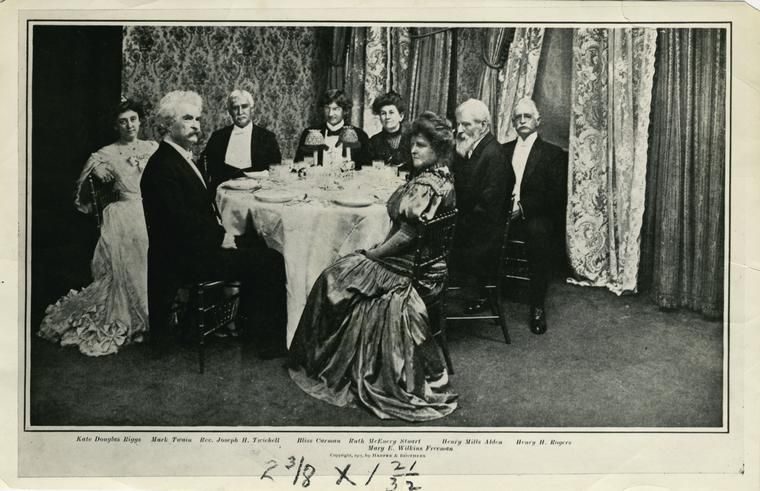
The guest list reads like a famous people highlight reel. Nikola Tesla would sit with his thoughts and his 200 patents over dinner. Nearly every president since James Monroe has graced the establishment — Harry Truman was especially partial to off-the-menu custard pie. In 1905, publisher George Harvey threw Mark Twain a 70th birthday dinner here with a 40-piece orchestra, and turtle on the menu.
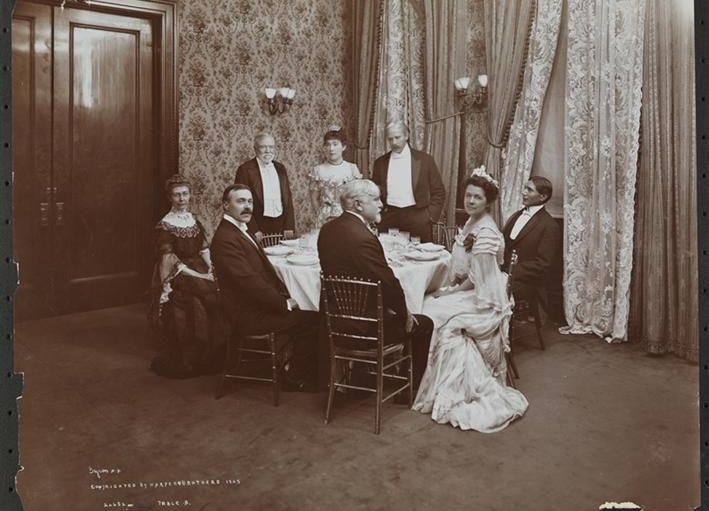
In 1868 a dinner reversed Charles Dickens’ notoriously dim view of American dining. Marilyn Monroe had a thing for the broiled grapefruit. Rock Hudson would arrive with Elizabeth Taylor on his arm and sneak off to meet his real date. On my last visit, Jack White dined at a nearby table.
Great Steak With a Side of Revolution and Revelation
Delmonico’s was also the first restaurant where women could dine unescorted, a genuinely radical act at the time. In the 19th century, it wasn’t common for women to dine without the accompaniment of men, but that changed on April 20, 1868 when Delmonico’s opened its doors to the all-women’s club Sorosis, and in turn opened a new chapter in the women’s liberation movement. They still honor that history with a special ladies’ menu every Women’s History Month.
The restaurant gave us the avocado when in 1895 journalist Richard Harding Davis brought some in from Venezuela and the chef approved the “alligator pear,” afterward regularly shipping it to the restaurant. Wedge Salad came from the mind of Oscar Tucci, famously known for arriving at farms and markets by five in the morning to hand-select his produce, fish, and meat, built the dish from what he had on hand: iceberg lettuce, thick-cut tomatoes, crispy bacon, blue cheese dressing.
But the deepest culinary legacy may belong to French-born chef Charles Ranhofer, who ran the Delmonico’s kitchen from 1862 to 1896 save for a few years, and reshaped American cuisine. He codified everything he knew into the culinary bible The Epicurean.
“Charles Ranhofer really doesn’t get enough credit,” said Turcinovic, the son of Croatian immigrants who started his tenure at Delmonico’s at the age of 21 . “Every time there’s a dish created, it’s created because of a story: something happening in the world, or a customer.”
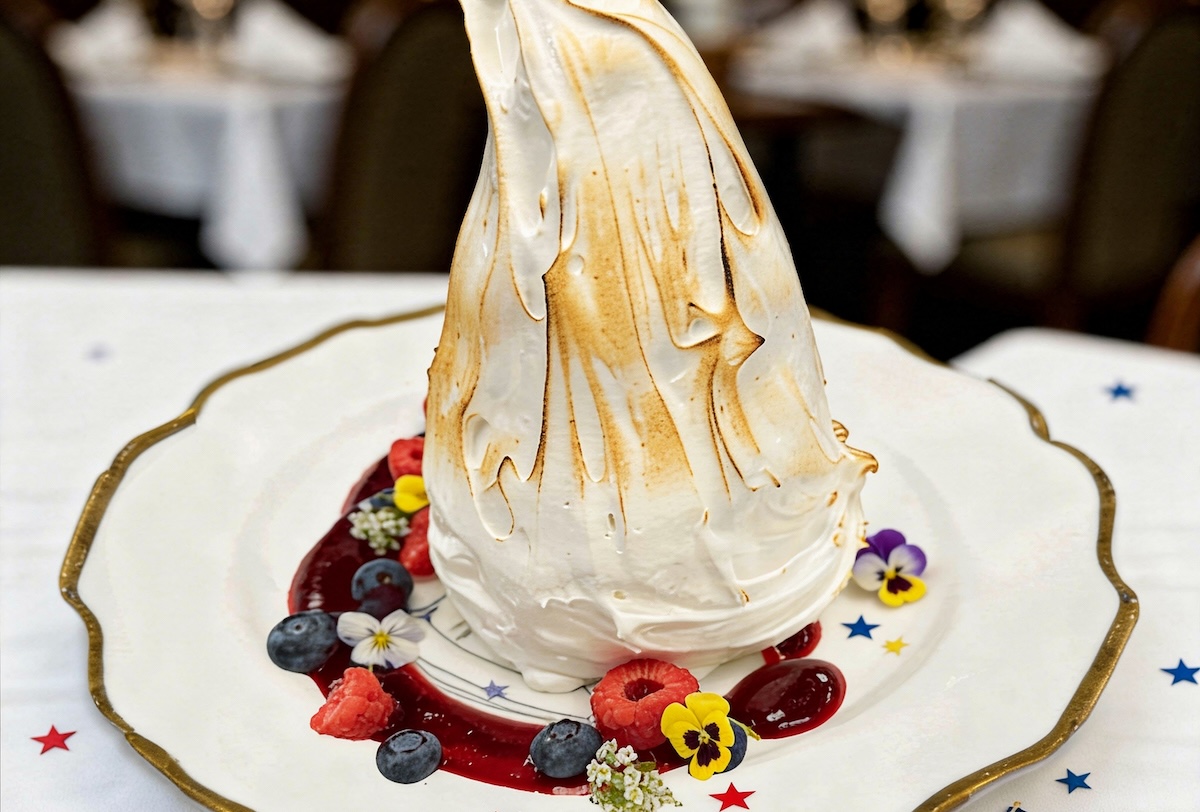
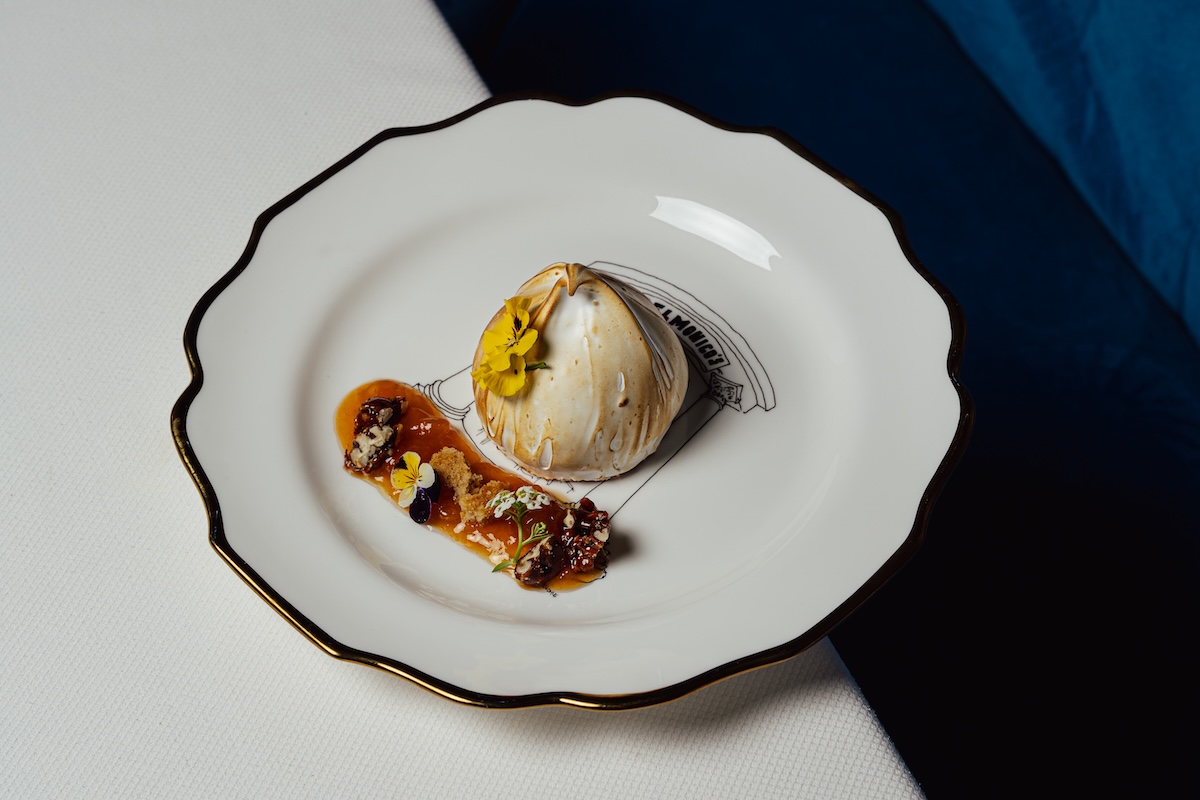
Eggs Benedict, according to Delmonico’s lore, came to life when a longtime regular named Mrs. LeGrand Benedict stormed into the kitchen one day and demanded something new. Ranhofer obliged and named the result after her. Lobster Newburg is allegedly his. So is Baked Alaska, originally called “Alaska Florida” in a nod to extremes of cold and heat. It debuted in 1876 to commemorate the U.S. acquisition of Alaska from Russia nearly a decade earlier. This year, in honor of America’s 250th, there’s a new iteration on the menu.
The Next Chapter of a New York Icon
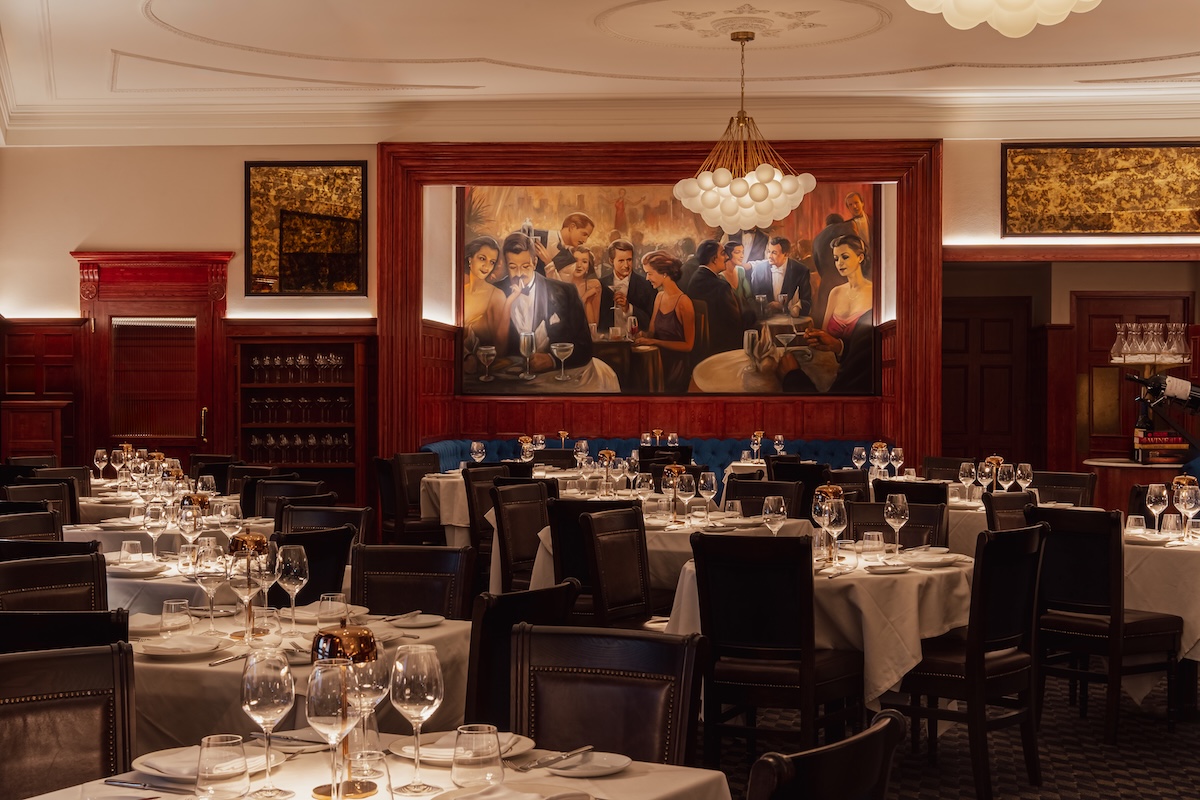
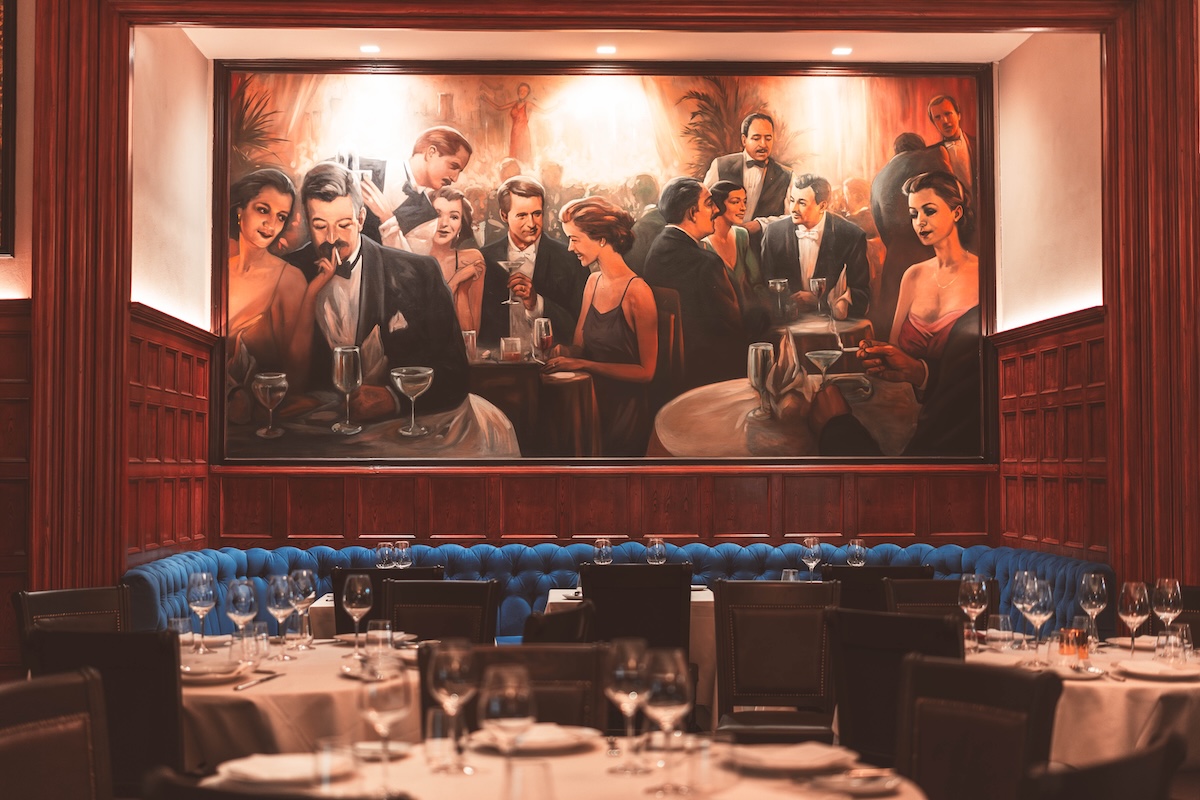
The Beaver Street location is nicknamed “The Citadel,” and it wears its history proudly. The Delmonico’s most New Yorkers know today is a steakhouse, still famous for its signature Delmonico cut—a thick, boneless ribeye. The current steakhouse era began in 1998, though a recent overhaul has refreshed both the space and the menu. History is still threaded through the room: the Dickens Alcove, the Tesla Bar, photographs lining the walls, and memorabilia in glass cases.
And that’s part of the appeal. In a city that constantly reinvents itself, Delmonico’s belongs to a shrinking group of New York institutions that have survived long enough to become part of the city’s mythology. But the restaurant isn’t content to live on nostalgia alone. In fall 2027, the owners plan to open a second location in Midtown called The Reserve. Located on Sixth Avenue near West 54th Street, it will be sleeker, more modern, and aimed at a different crowd. Turcinovic says the menu will allow for more creativity than the flagship downtown.
Back on Beaver Street, however, the old building continues to be a stand-in for New York itself. Over the decades, Delmonico’s has appeared in films including, She Wore a Yellow Ribbon, John Wick, and The Producers, as well as television series like Cobra Kai and Outlander. A few days after my visit, Turcinovic said The Gilded Age was coming in for a filming stint.
Which feels entirely fitting for a restaurant that helped define the Gilded Age itself.
Visit Delmonico’s Monday through Saturday from 12 to 10 p.m., and Sundays 12 to 9 p.m. 56 Beaver St., Financial District, theoriginaldelmonicos.com