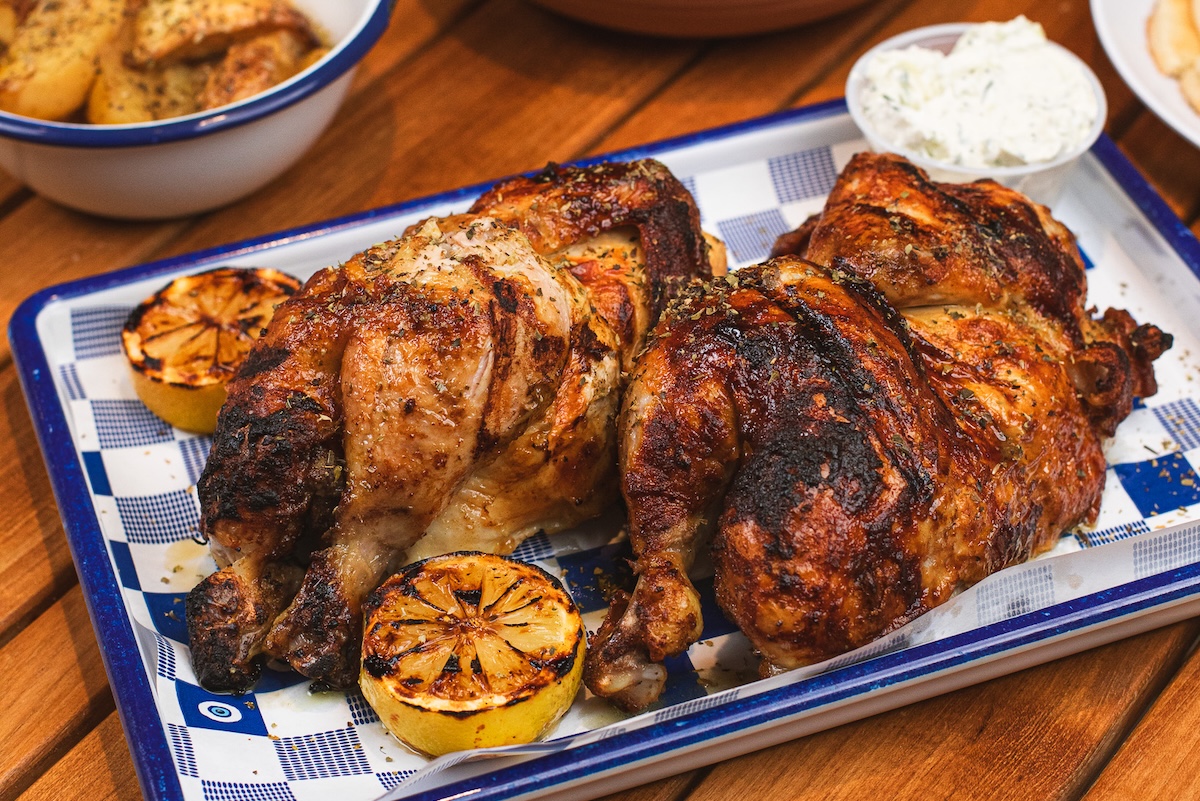
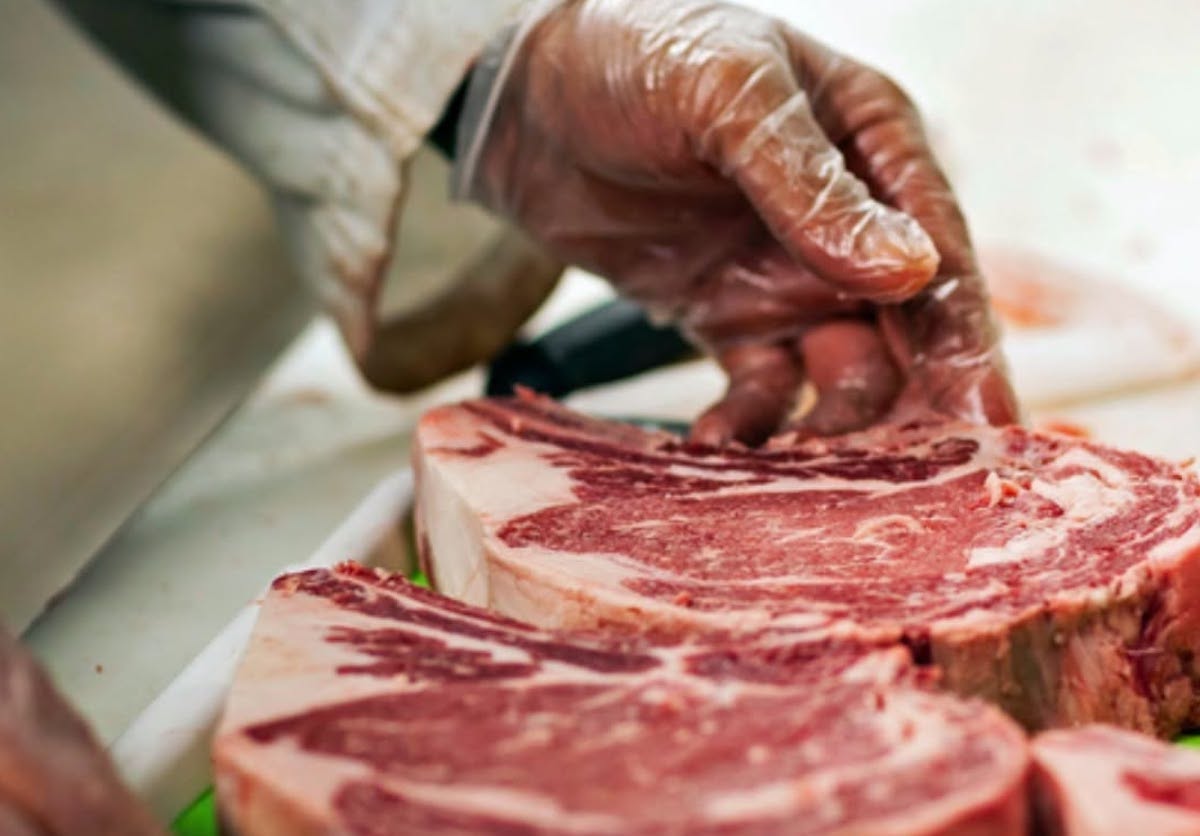
We’re lucky to live in Atlanta, where grilling season runs from the minute the weather starts to warm in April through fall tailgates. Despite the opportunity, most of us still default to sub-par proteins stuffed into a family pack and priced to move at the nearest supermarket. Our grills ( and our taste buds) deserve better.
Back in the day, before there was Whole Foods, Kroger, or even Publix, the neighborhood butcher was the place to go for prime cuts and grilling advice. While these spots are few and far between today, there are still a handful of hardcore meat lovers sourcing the best, trimming the fat, and offering hard-learned insight into the best way to cook a hunk of protein.
Why Your Butcher Beats the Grocery Store
It’s hard to make shrink-wrapped meat look good under fluorescent lights. But that’s only half the reason the butcher is the better choice. As Mark Frazier of Frazie’s Meat & Market puts it: “It’s hard to go into a big box store like Kroger or Publix and ask, you know, what’s this meat? People get intimidated by it.” At a proper neighborhood butcher shop, that intimidation disappears. You’re talking to the person who cut your steak, who can tell you what ranch it came from, and who actually wants to talk about what’s for dinner.
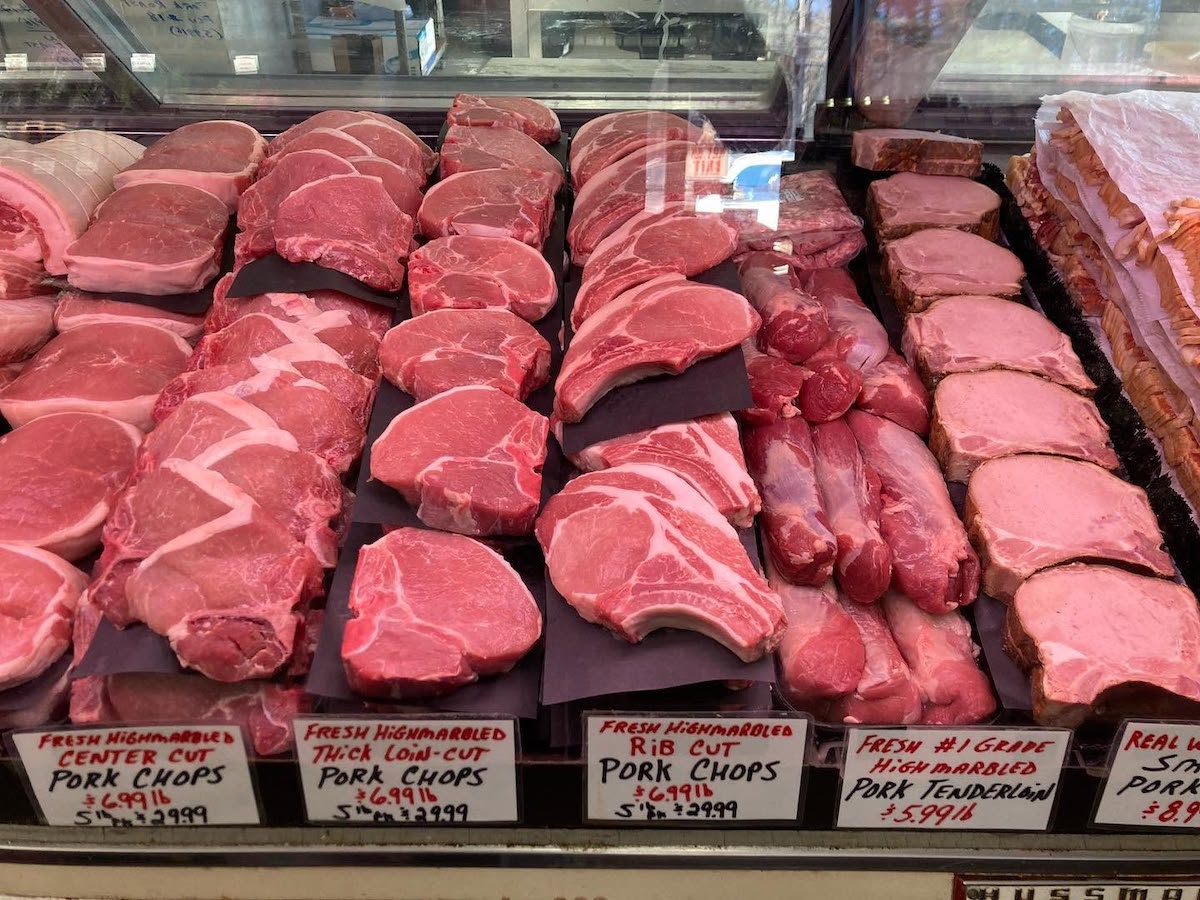
The sourcing difference is just as significant. Independent butchers can trace their product back to specific farms and ranches, understanding exactly what went into raising it. And there’s something else a grocery store simply can’t offer: a relationship. As Josh Ennis, a classically trained chef turned pitmaster and Certified Angus Beef brand ambassador, puts it: “You can go there and say, I know you don’t carry this, but could you get this in? And the answer is 99.9% of the time, yup, it’ll be here next week. You can’t do that at the big box grocery stores.”
Ennis describes skilled butchers as true artisans—a dying breed whose attention to detail you won’t find at a chain grocery counter. “That’s what they do all day, every day,” he says. “It’s an honestly lost art.”
A Tale of Three Butchers
Patton’s Meat Market
Patton’s Meat Market has been earning its reputation the old-fashioned way since 1994, when Park Patton opened the shop following in the footsteps of his father, who had his own shop dating back to 1986. In the decades since, Patton’s has been nominated multiple times for Grocer of the Year by the Georgia Department of Agriculture—a distinction Park says few in the business can claim. The foundation, he’ll tell you, is straightforward: customer service and high-quality meat. 3931 Peachtree Ind. Blvd., Duluth, pattonsmeatmarket.com
Frazie’s Meat & Market
Mark Frazier is a third-generation butcher, and the philosophy behind Frazie’s Meat & Market is personal. “I opened it to really bring back the neighborhood butcher,” he says. “Be a part of the community. Good people doing good things.” It’s a mission that shows up in every corner of the shop, from the sourcing to the shelves to the staff behind the counter. 2030 Main St. NW, Ste. R204, Atlanta, fraziesmeatandmarket.com
Stripling’s General Store
Stripling’s is a genuine piece of Georgia food history. What began in 1964 as a small butcher shop on a South Georgia farm has grown into a multi-location family operation with a USDA-inspected processing facility and a loyal following that stretches well beyond its home base. The Bogart location, just 10 miles west of the University of Georgia, brings that heritage within easy reach of Atlanta. Situated at the corner of Hog Mountain Road and Monroe Highway, it’s a natural pit stop on the Athens corridor and stocks the full Stripling’s lineup: steaks, pork, bacon, and ham, handcrafted beef jerky, hoop cheese, and an extensive pantry of Southern specialty foods including jams, seasonings, and sauces. The whole hog sausage—still seasoned with James’s original recipe—is the calling card. 4501 Monroe Hwy., Bogart, striplings.com
Grilling Tips From the Pros
You’ve sourced the best meat. Now here’s how to do it justice.
Buy the best beef you can find. “You can’t get good results from bad products,” says Ennis. If you can find CAB Prime, he says, buy it—it meets all 10 of the brand’s science-based specifications on top of standard USDA Prime marbling requirements.
Let it bloom, then season simply. Pull your steak out, set it on a thick paper towel, and refrigerate it uncovered for 30 minutes to an hour. This lets the meat bloom while drying the surface for a better sear. Then season with just salt and pepper and let it come to room temperature before it hits the grill. “If you buy the best beef, you don’t need a whole bunch of other things to put on it,” Ennis says. The salt will melt into the meat as it rests, like a built-in dry brine.
Use the right salt. Skip iodized table salt. It’s “possibly the worst thing you could do unless you’re curing meat,” Ennis says. Cook with kosher salt and finish with something flaky like Maldon for crust and texture.
Match the heat to the cut. “Not everything has to be blasting hot,” Ennis says. Thick steaks want 450–500 degrees; smoking runs at 225. For a thick steak, place it down, rotate 45 degrees after three minutes, then flip and repeat. It promotes even cooking and gives you clean grill marks. Mark Frazier’s rule: “Cook to temperature, not to time.” A thermometer is non-negotiable.
Always rest your meat. Ennis recommends a minimum of five to ten minutes. Frazier is blunt about why: “It keeps all the juices in. It makes a big difference.”
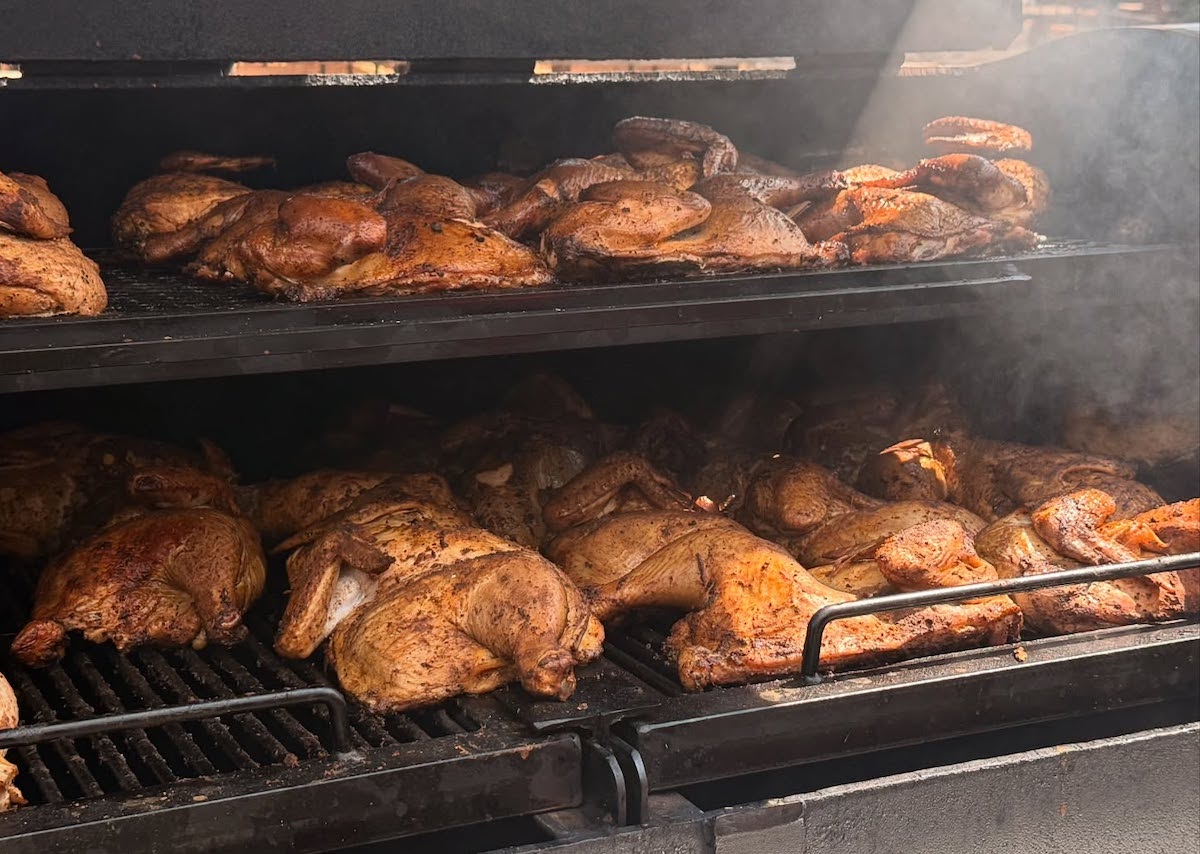
Choose your fire wisely. Ennis ranks wood first, charcoal second, gas third. Stick to natural hardwoods—think fruit woods, oak, or mesquite. Patton agrees: anything resinous or lighter-fluid-soaked will compromise the flavor.
Try a new cut. Ennis’s current favorite is the Denver steak, cut from the chuck roll, heavily marbled, and best grilled hot to rare or medium rare. Look for it labeled as chuck underblade steak. For smoking, Frazier recommends picanha: about 90 minutes at 225–250 degrees, serious payoff, minimal fuss.
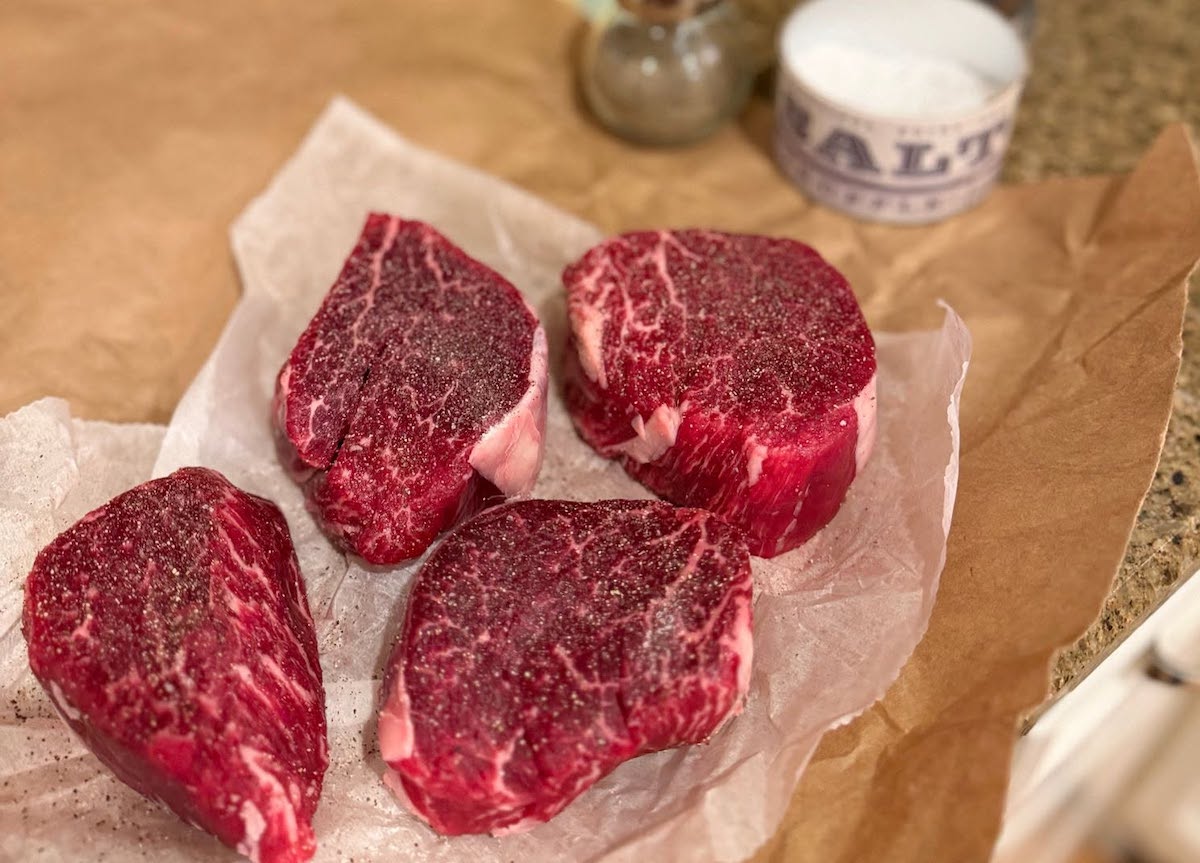
And if Denver steak, picanha, or any other unfamiliar cut leaves you with questions, that’s exactly why the neighborhood butcher still matters. Ask what’s good, how to season it, and how to cook it. You might walk in looking for steaks and leave with something you’ve never grilled before—and a much better dinner than anything pulled from a family pack.