
Colorado’s wine industry has steadily blossomed into a small but vibrant industry with over 150 wineries across the state. Though relatively young compared to its European and Californian counterparts, Colorado showcases a diversity of high-quality wines.
As the executive director of the Colorado Wine Board, I’m always eager to discuss with wine lovers why they should pay attention to what’s happening right here in Colorado. Every glass of Colorado wine offers more than flavor, it carries a story. Before we talk about why these wines deserve the spotlight now, we need to look back at the foundation of Colorado wine.
Wine In Colorado Grows Roots
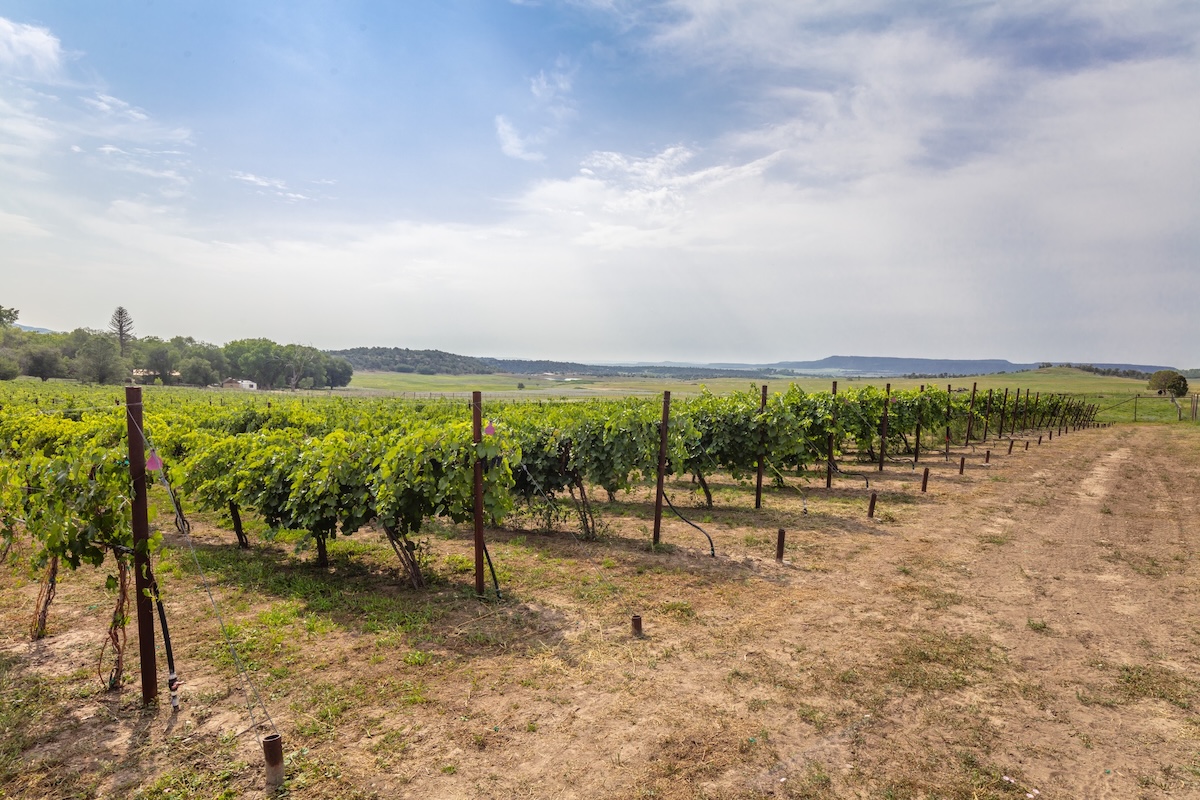
The roots of Colorado’s modern wine industry were planted in the 1960s thanks to local dentist, Dr. Gerald Ivancie, who started Ivancie Cellars using California grapes, and a Californian winemaker by the name of Warren Winiarski. The same Winiarski would later go on to found Stag’s Leap Wine Cellars in Napa, and win the 1976 Judgement of Paris.
Prior to this endeavor, Prohibition had effectively decimated earlier viticulture in the state. But with a newfound market for local grapes, the Colorado General Assembly passed the limited winery act in 1977. This allowed the peach growers around the bucolic town of Palisade to replant vineyards. Colorado Mountain Vineyards opened in 1978 as the first winery to use Colorado grown grapes. From this moment on, the industry would continue to grow and improve each year.
Colorado Wine Production Goes Up
The 1980s saw a gradual increase in the number of wineries, particularly in western Colorado’s Grand Valley. With five wineries in operation by 1990, the Grand Valley American Viticultural Area (AVA) was established by the federal government. Also at that time, the Colorado Wine Industry Development Board was created by the Colorado legislature.
These early producers focused on classic Vitis vinifera varieties like Merlot, Cabernet Sauvignon, and Chardonnay, as well as fruit wine from local cherries and peaches. Consumer awareness of Colorado wine also began to grow, albeit slowly, as wineries attended local farmers’ markets and wine festivals. The first Colorado Mountain Winefest was held in 1992 with 500 attendees enjoying the homegrown wines from those five wineries. Decades later, the festival is still going strong today.

Today Colorado’s wine country expands beyond Palisade. In 2001, the West Elks AVA became the state’s second official wine region and is still the highest elevation wine region in the United States. Together, these two regions, though relatively close geographically, offer unique microclimates and terroirs that contribute to the diversity of Colorado wines.
Beyond the main two wine-growing regions, smaller concentrations of vineyards in the Four Corners area near Cortez and along the Arkansas River near Cañon City southwest of Colorado Springs also host vineyards.
More on the Grand Valley AVA
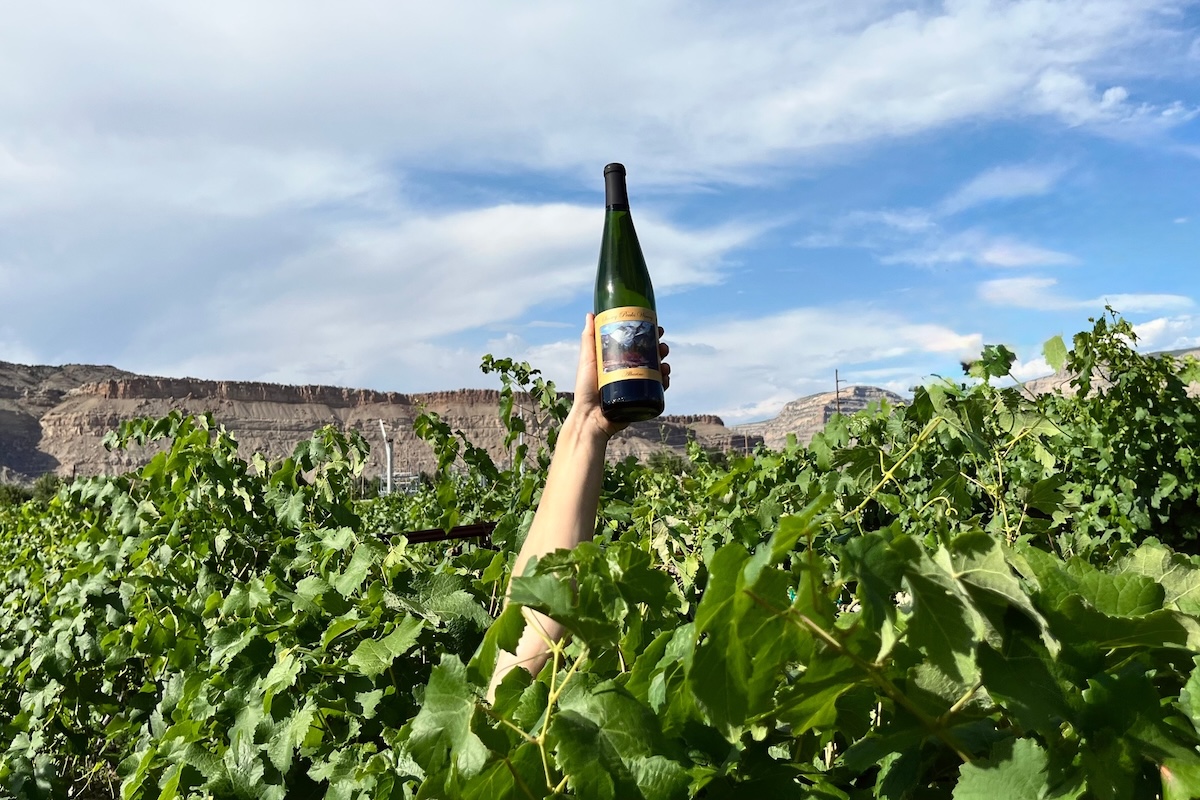
The Grand Valley AVA is the largest and most established wine region in Colorado. You’ll find the area located on the Western Slope of the Rocky Mountains, following the Colorado River and surrounding the town of Palisade and within Mesa County.
It benefits from a semi-arid climate with hot days and cool nights during the growing season. This significant diurnal temperature shift helps grapes retain acidity and develop complex flavors. The region’s vineyards are typically planted at elevations ranging from 4,000 to 5,000 feet.
The soils developed from alluvial deposits (a mixing of clay, silt, sand, and gravel) in the Colorado River and its tributaries. The short but warm and sunny growing season and low humidity contribute to reduced disease pressure, allowing for more sustainable viticultural practices. The Grand Valley has become a significant agritourism destination, with numerous wineries offering tasting rooms, tours, and events that draw visitors from across the state and beyond.
Get To Know the West Elks AVA
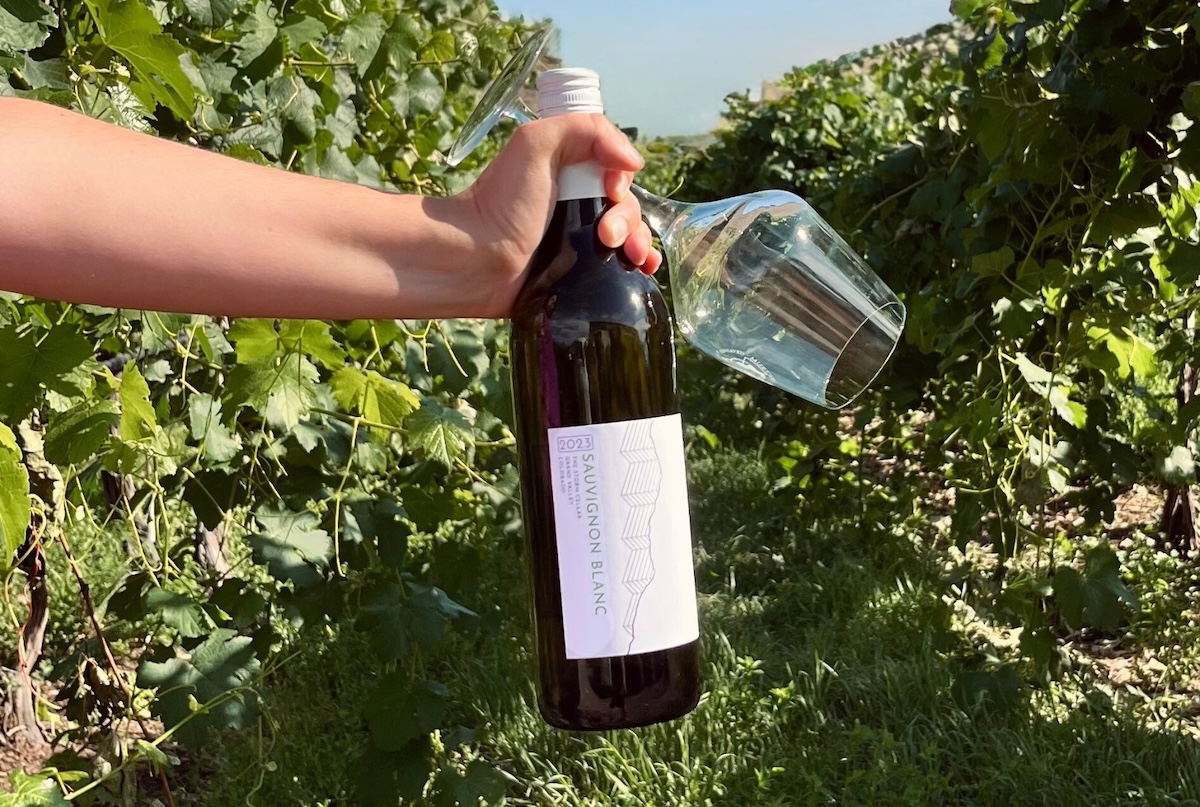
Located southeast of the Grand Valley, in the higher elevations surrounding the towns of Hotchkiss and Paonia, along the North Fork of the Gunnison River lies the West Elks AVA. This region is characterized by even higher elevations. The vineyards typically range from 5,000 to 7,000 feet above sea level, making them the highest vineyards in North America.
The climate here is cooler and has a shorter growing season than the Grand Valley, which influences the types of grapes that thrive. The West Elks is renowned for its aromatic white wines and cool-climate reds, including Pinot Noir, Chardonnay, Riesling, Gewürztraminer, and Pinot Gris.
The soils, while also alluvial in origin, contain greater amounts of volcanic material eroded from the basalt-capped Grand Mesa. The scenic beauty of the West Elks, with its dramatic mountain backdrop, adds to its appeal as a food and wine destination.
Colorado Wine Today
Today winemakers are honing their skills with a wide variety of different grape varieties to craft truly world-class wines. Think Merlot, Cabernet Franc, Cabernet Sauvignon, Syrah, and Riesling, which are still the most widely planted cultivars today.
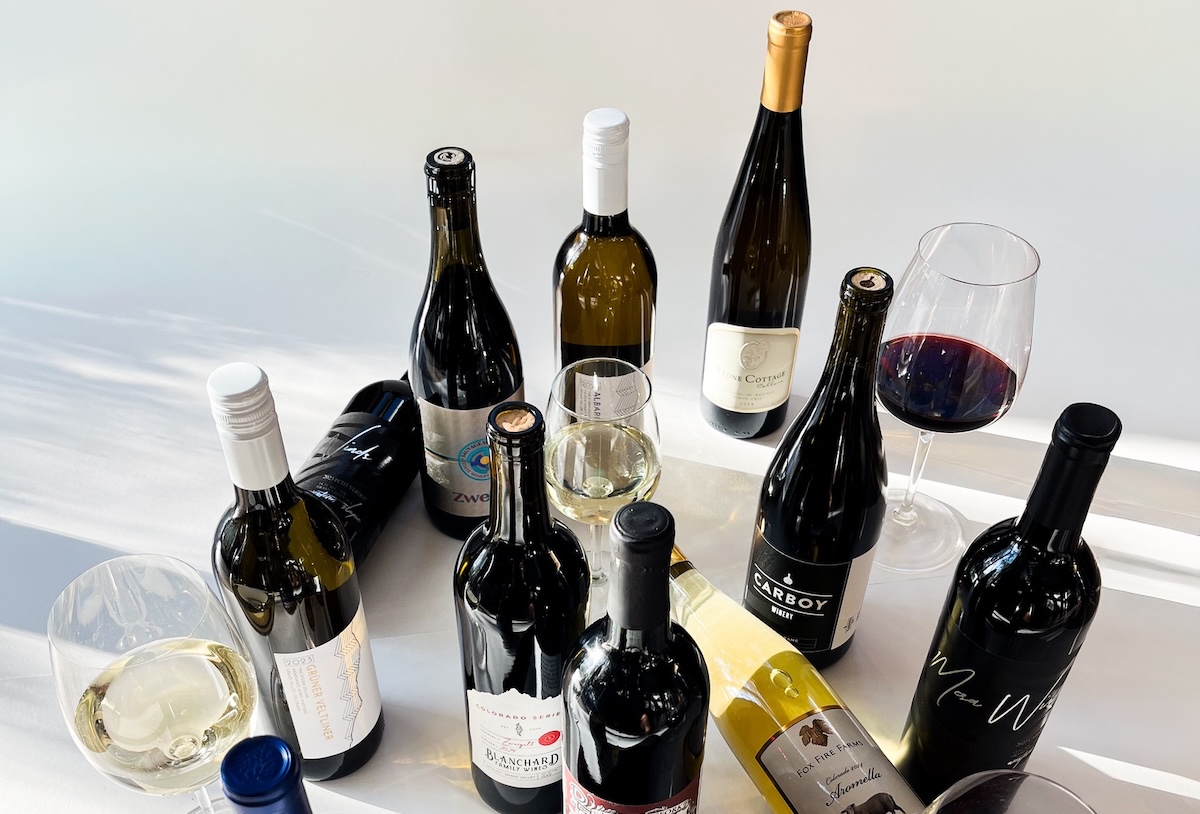
Alongside established Vitis vinifera varieties, winemakers are exploring modern grapes that show promise in Colorado’s climate and add diversity to the state’s wines. Newer grapes such as Aromella, Chambourcin, and St. Vincent are gaining in popularity given the ability to withstand the occasional cold fronts that can severely damage the less-hardy traditional varieties. Grape growers are also demonstrating that lesser-known European varieties can produce award winning wines in the high desert environment of Colorado such as Albariño, Grüner Veltliner, Teroldego, and Zweigelt.
Despite vineyards being concentrated in a few particular areas, wineries dot the landscape across the state. It should not be a surprise that the Front Range actually has more wineries than the Grand Valley. Most people on the eastern side of the Continental Divide should be able to find a local winery within a 20-minute drive. Today, local restaurants and wine shops are carrying Colorado wine more regularly as demand for local wines increases.
The Colorado Wine Board
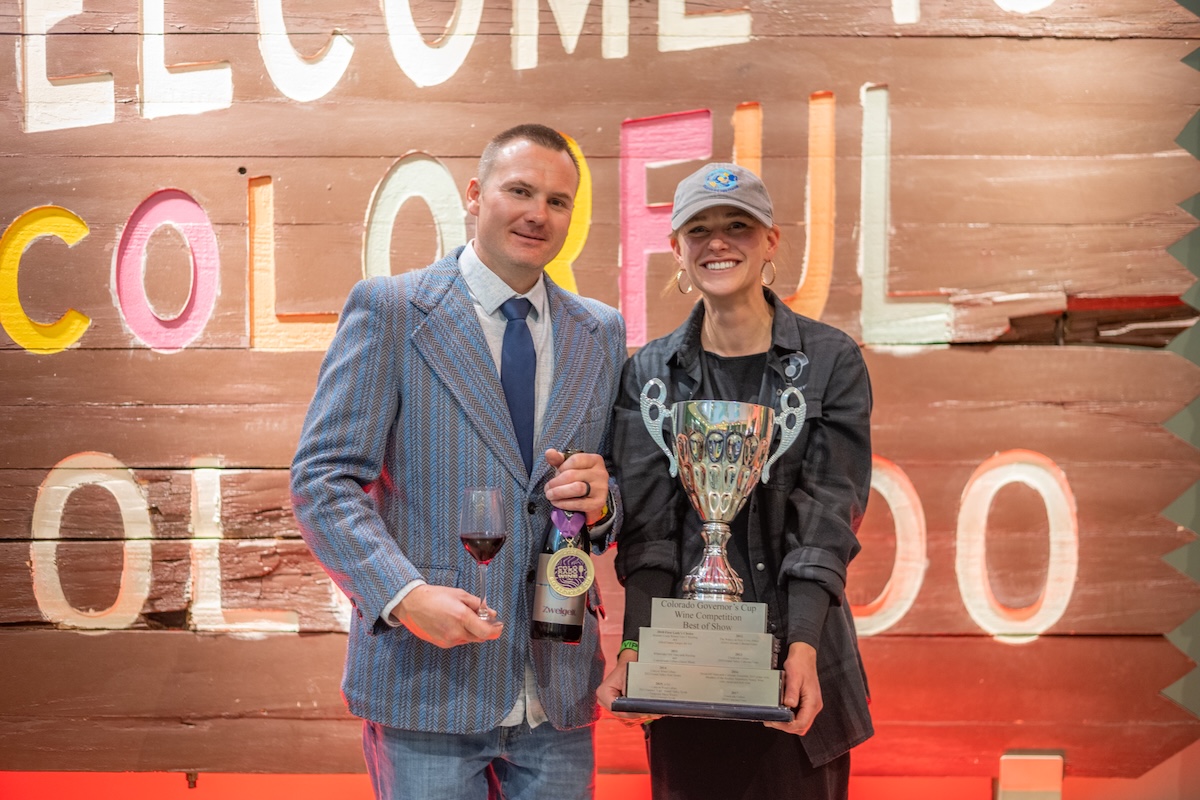
One of the ways the Wine Board works to promote the high quality of our wines to our wine-loving friends is by hosting the Governor’s Cup wine competition and associated Colorado Uncorked event. Each year, we invite a group of wine experts including sommeliers, wine writers, and other industry professionals, to smell, taste, and critically analyze hundreds of wines over the course of a weekend.
In the competition, a rigorous blind tasting ensures impartiality where the judges only know the variety or style of a flight of wines. We even sneak in benchmark wines from around the world to make sure the judges remain objective with their evaluations. The wines are awarded Double Gold, Gold, Silver, and Bronze medals to equate to the wines’ overall quality.
In 2025, we had 251 entries and our judges awarded 238 medals. That included 22 Double Gold medals, a distinction given when every judge deems a wine to be of world-class quality. The top 12 scoring Double Gold medals become part of the Colorado Governor’s Cup Collection, a group of wines that best exemplify the essence of Colorado Wine.
Each fall after the competition, the Colorado Wine Board hosts a public tasting called Colorado Uncorked to highlight the Governor’s Cup Collection. We invited some of Colorado’s top restaurants to pair delicious small bites to the wines and create a truly special, and eye-opening, evening of food and wine. Stay tuned for more events, and until then, see what wonderful wines Colorado has to offer.
