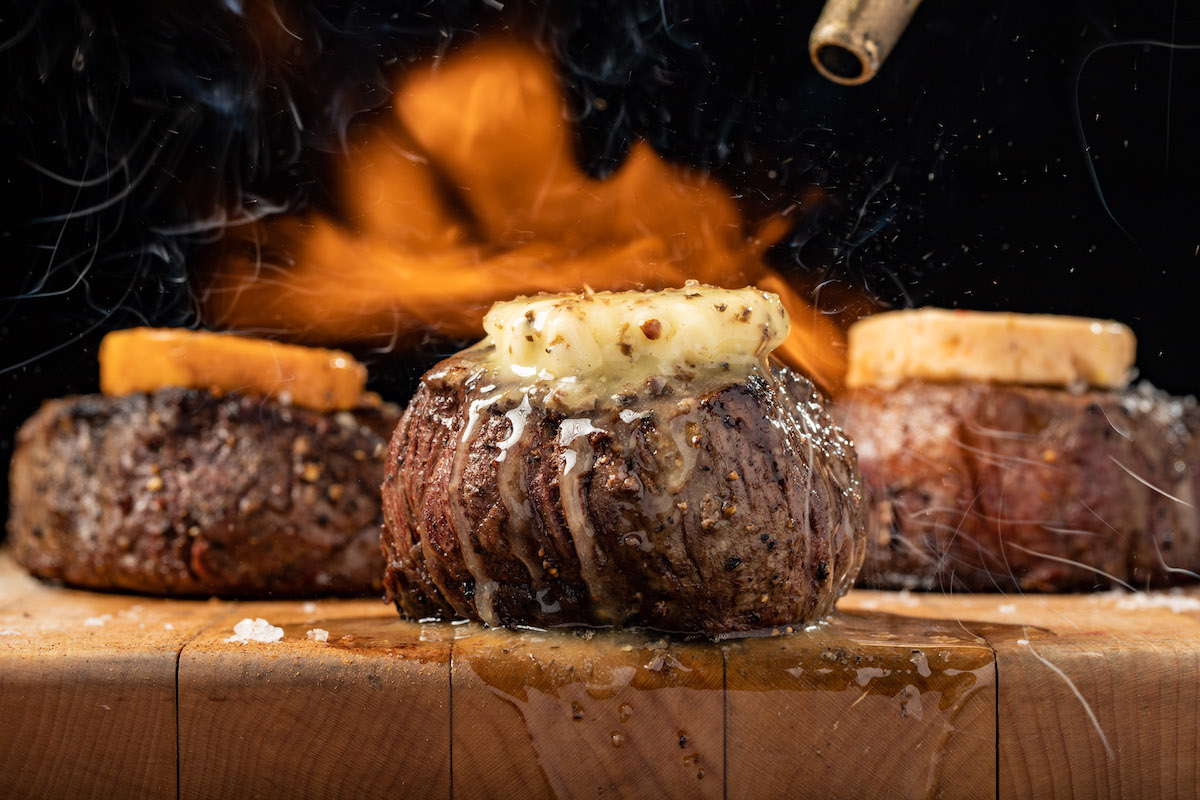
In the lead-up to DiningOut’s Rare Steak Championship, a clear philosophy emerges from the chefs stepping into the arena: mastery lies not in excess, but in restraint and precision. Across kitchens, whether fueled by hardwood embers, roaring broilers, or meticulously controlled sous vide baths, the throughline is an unwavering respect for heat and timing. Chefs speak less of complexity and more of control—intense, direct heat to build a decisive crust, paired with a disciplined hand that preserves a tender, ruby-centered interior. Seasoning is kept deliberately spare, often no more than salt and pepper, allowing the quality of the beef—and the technique behind it—to take center stage.
From live-fire purists to those favoring reverse sears or high-temperature broilers, each approach ultimately converges on the same ideal: a steak that balances char and juiciness with quiet confidence, proving that excellence, at its core, is about knowing exactly when to stop.
Cattle Shed
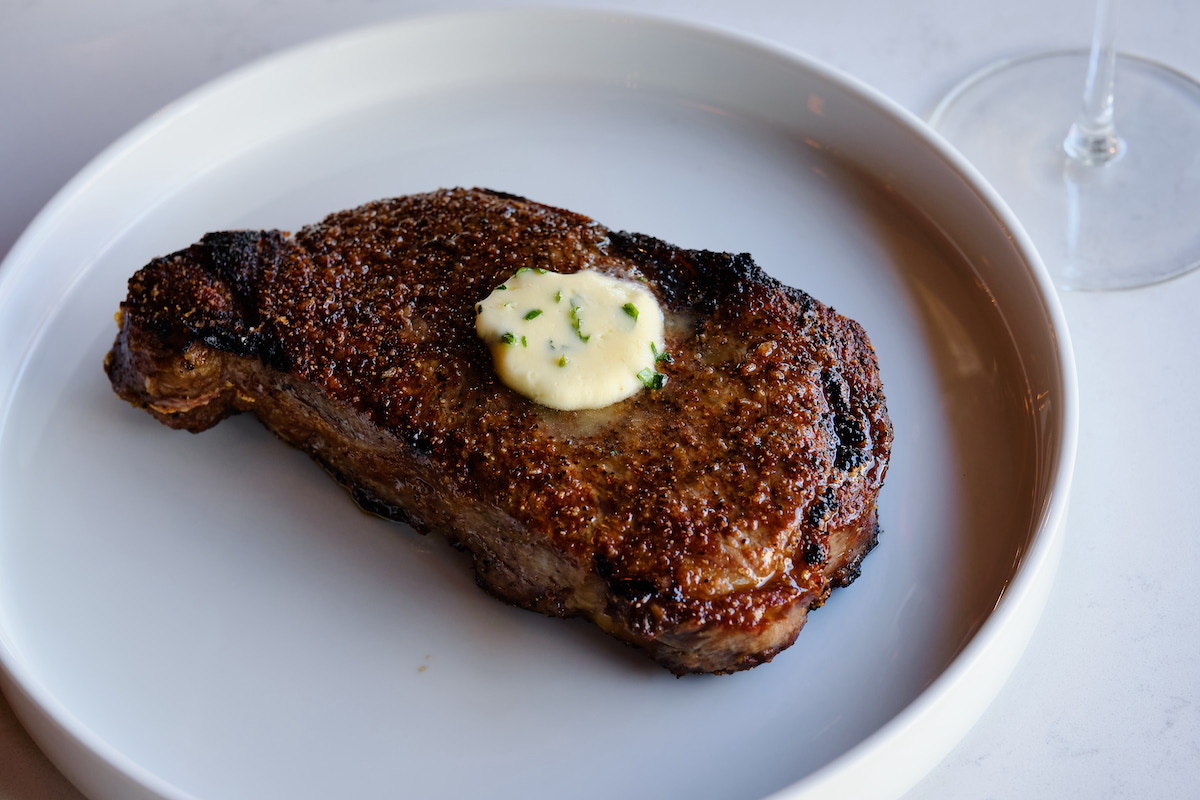
“I prefer cooking steak over live fire. The combination of high heat, smoke, and a hard sear builds a deep crust while keeping the inside perfectly tender.” –Chef Olivia Hurst
El Valle Kitchen & Bar
“Over Japanese charcoal—the heat is pretty intense and consistent, allowing us to sear it and caramelize it really well.” –Chef-Founder Luis Damian
Kevin Rathbun Steak
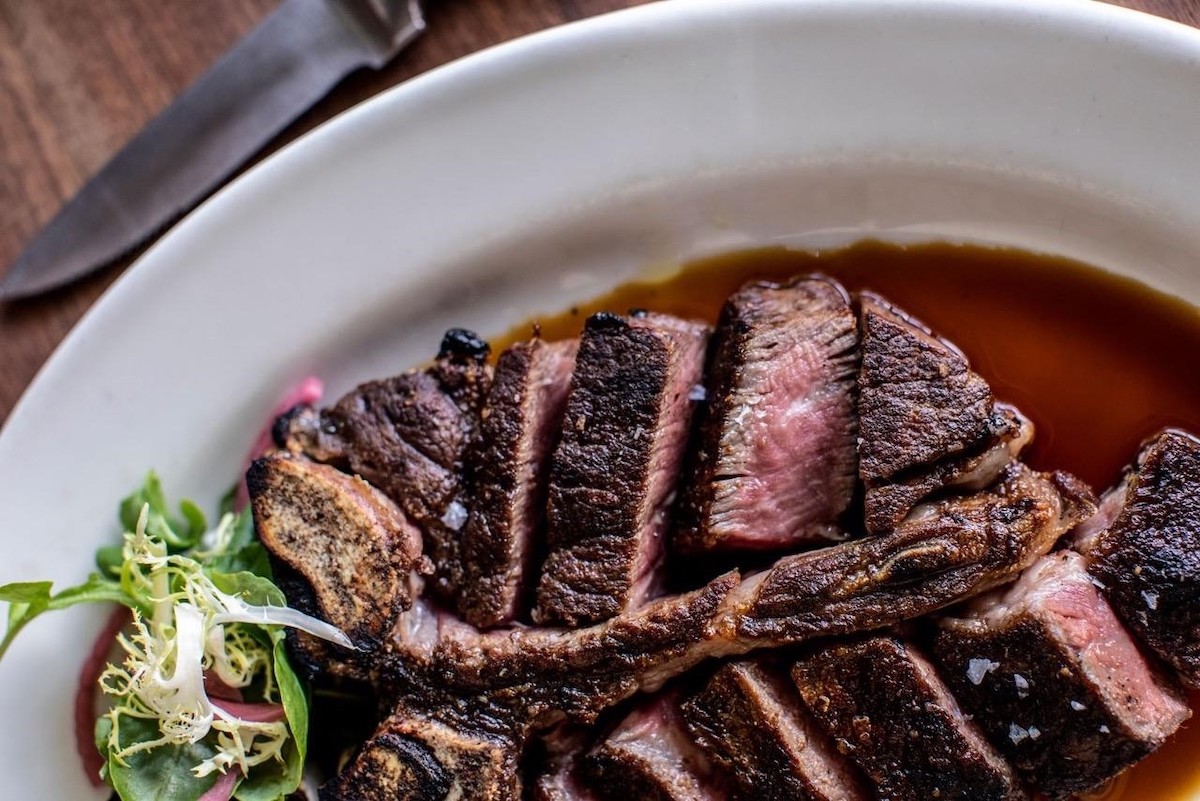
“I love cooking over hardwood, whether it be hickory or oak, or a combination of both. Then high heat, fire roasted, good char, seasoned with simple salt and pepper—super easy.” –Chef Kevin Rathbun
McDaniel’s QN2 BBQ
“I love to cook a steak on the flat top and then put it in the broiler. But we smoke everything here, so that’s how I like to cook steak, just not necessarily in the restaurant.” –Chef-Owner Glenn McDaniel
Morton’s The Steakhouse
“A true, high‑heat broiler. At Morton’s, we use a 1,000‑degree broiler for all of our steaks. That intense heat creates the signature crust and locks in the juiciness that exemplifies a perfectly prepared steak.” –Chef Jason DeMarotta
Ruth’s Chris Steak House
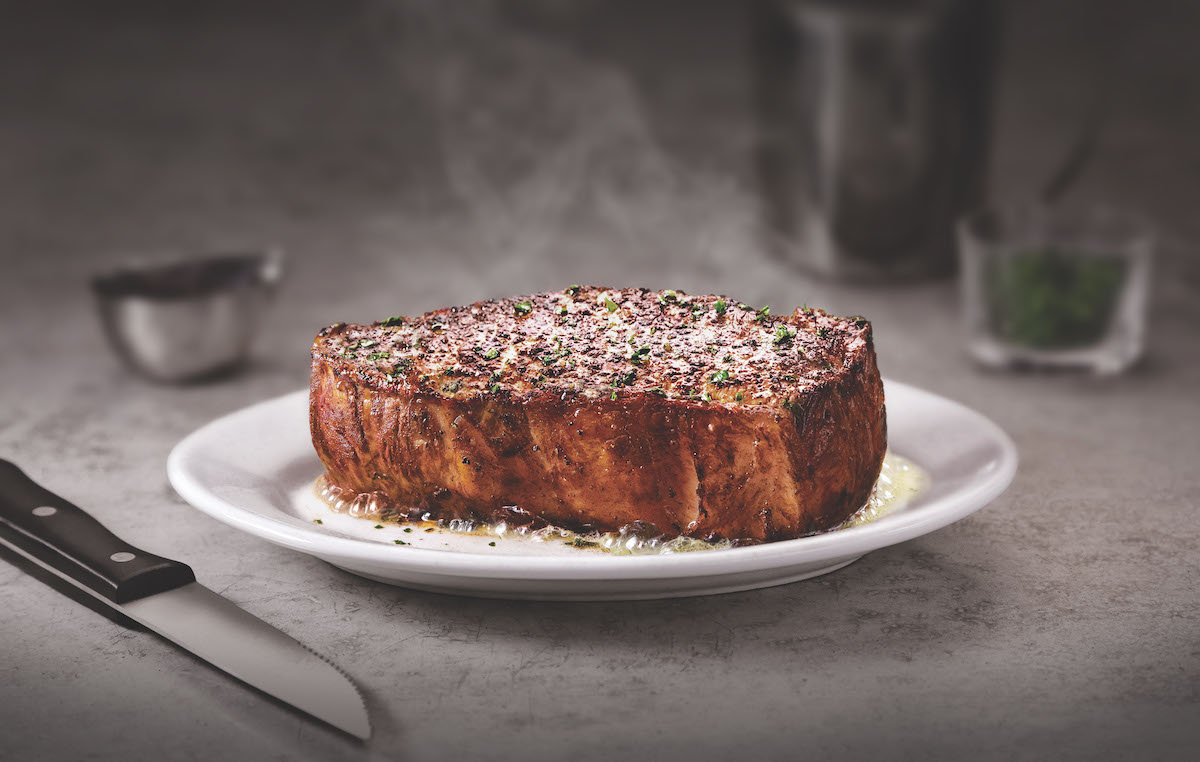
“Broiling. That intense, direct heat gives you the hard sear you want on a great steak. It builds a beautiful crust on the outside while keeping the inside perfectly cooked. That’s one of the reasons I love leading the kitchen at Ruth’s Chris; we use some of the best broilers in the business, and they help us turn out incredible steaks every night.” –Chef Chris Gillis
1885 Grill – Acworth
“Personally, I like to start with sous vide, which is how we prepare all our steaks in the restaurant, and then finish it on a propane grill, cooking a ribeye to medium. That temperature allows the fat to properly render, giving the steak a richer flavor and a more tender bite.” –Owner Michael Schroeder
Smoke and Friends
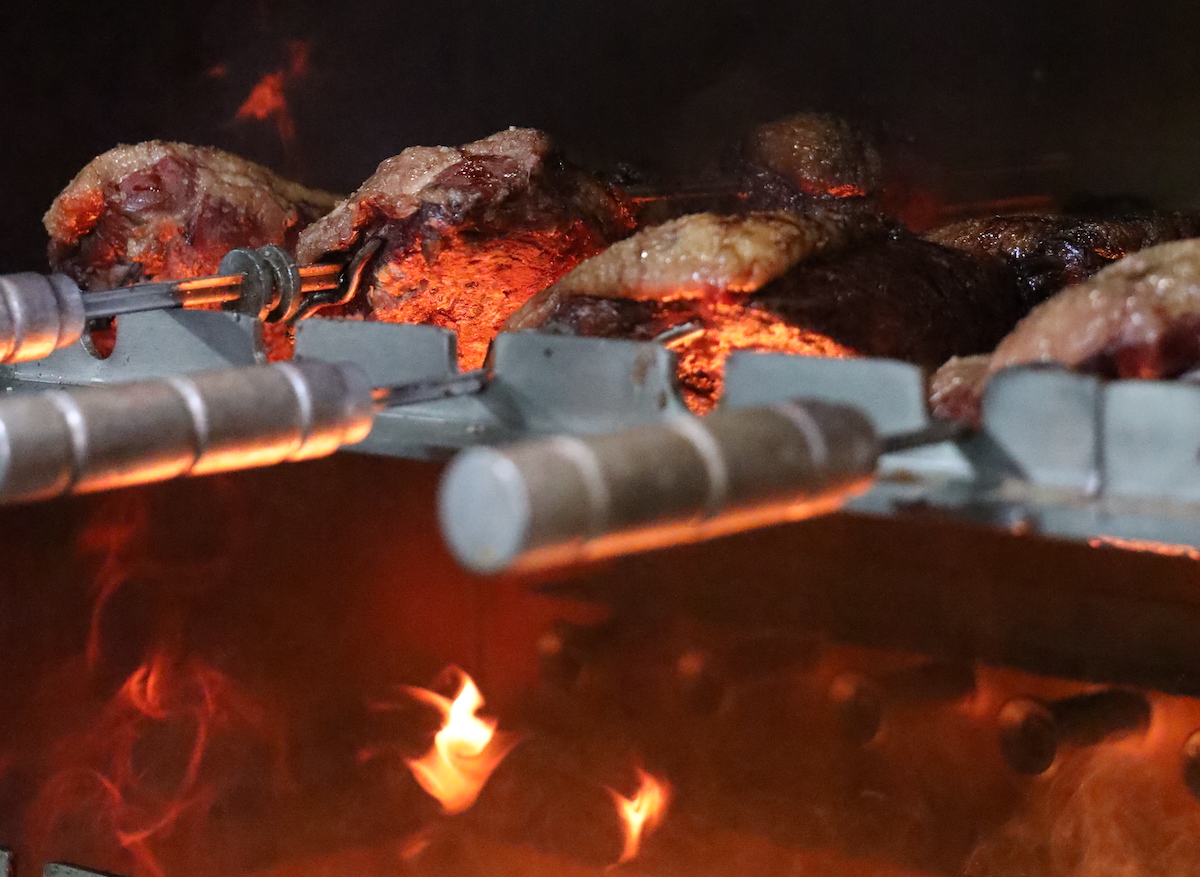
“Our preferred method of cooking is Carne en Vara, a traditional Venezuelan way of roasting meat over an open fire. We cook using only firewood and allow the meat to cook slowly on long skewers placed near the flames. This slower process lets the smoke from the wood infuse the meat, creating a rich smoky flavor while keeping it tender and juicy. It’s a method deeply connected to our Venezuelan roots and something we are proud to share with our guests.” –Owner Gabriel Alarcon
The Palm Atlanta
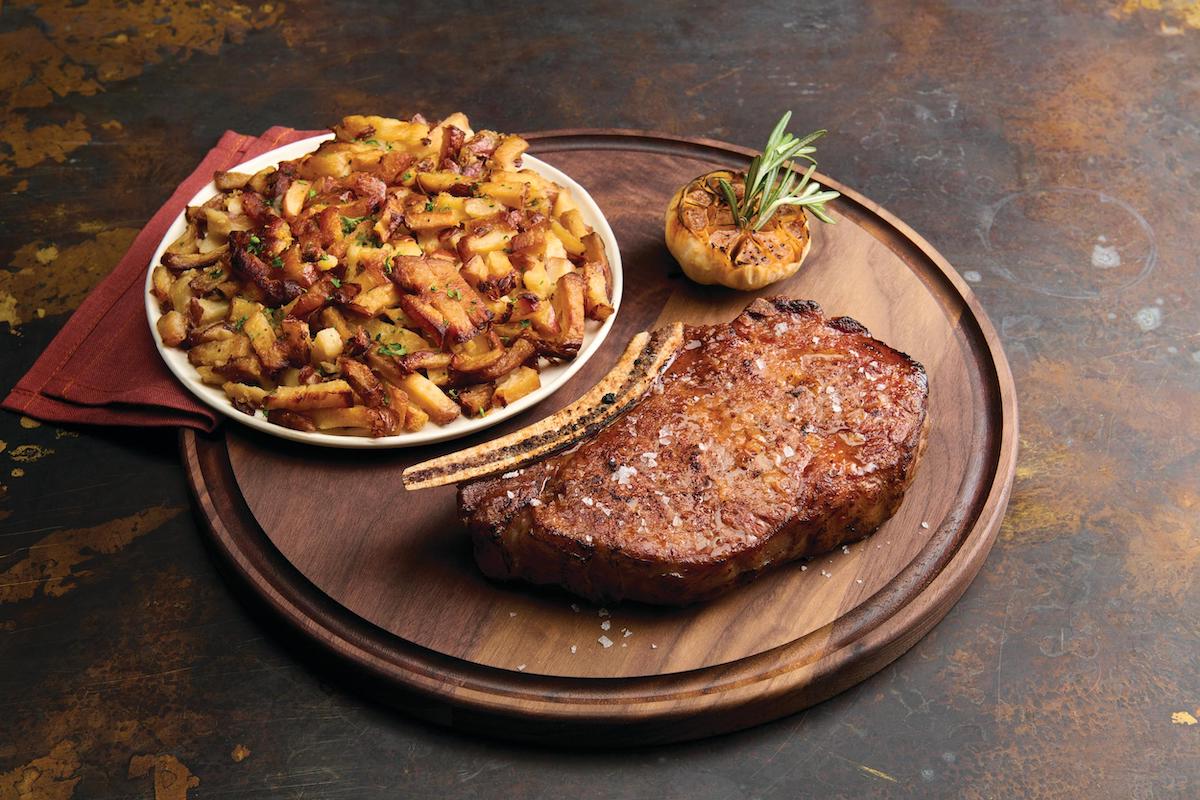
“Cast iron is my favorite method of cooking it: oil, salt, pepper, pan, sear until medium.” –Chef Leonard Lewis
Arnette’s Chop Shop
“I always love to grill beef over wood, but I also love how our 1800-degree charbroiler sears a steak. It really creates a beautiful browning from the high heat.” –Chef Stephen Herman
Parker’s on Ponce
“An open charcoal grill. The high heat intensifies and caramelizes the meat perfectly.” –Chef Andrew Lewis
Tio Luchos Peruvian
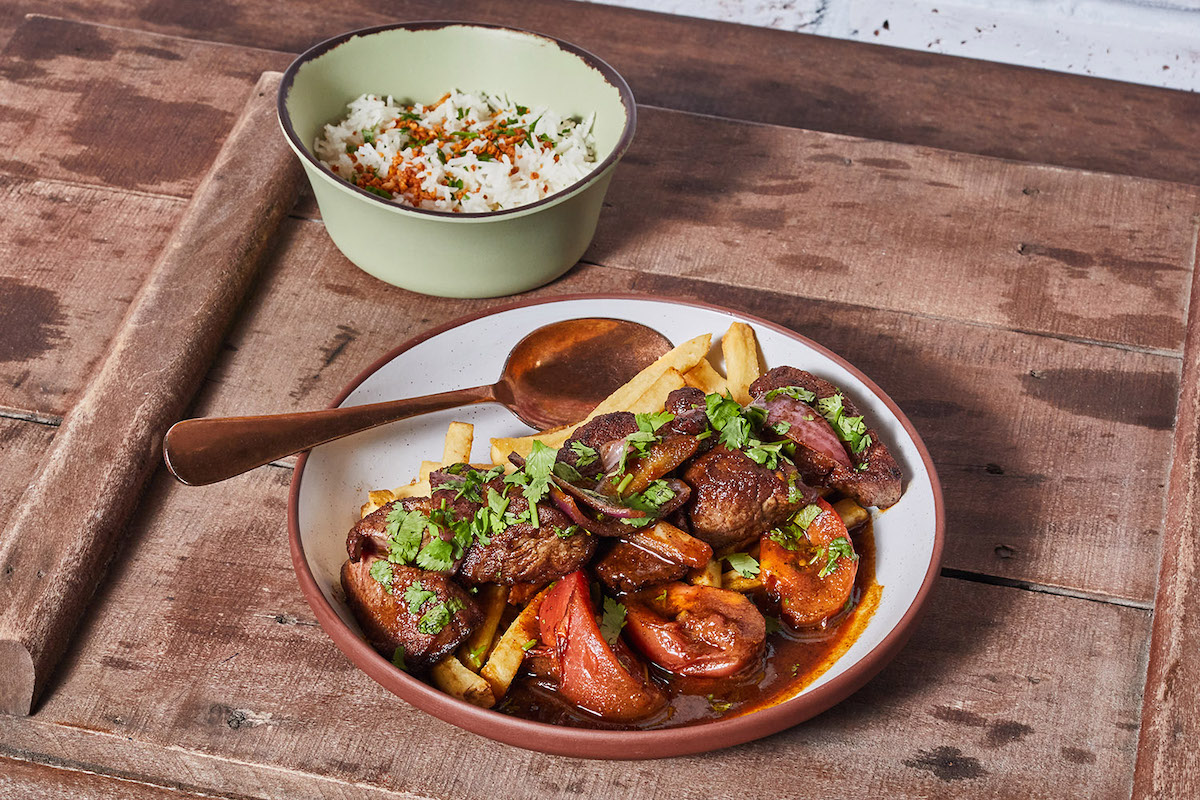
“Most of the time, I cook steak on the grill. If I’m working with something like a cowboy ribeye with the bone attached, I’ll often do a reverse sear. I start it low in the oven to slowly bring the internal temperature up, then finish it in a hot cast-iron pan or over the grill to get a really nice crust.” –Chef Arnaldo Castillo
Vanzant’s Steak, Seafood, and Bar
“[I prefer] making the steak on a broiler and finishing it in an oven or Salamander.” –General Manager Justin Studdard
Marlow’s Tavern & The Woodall
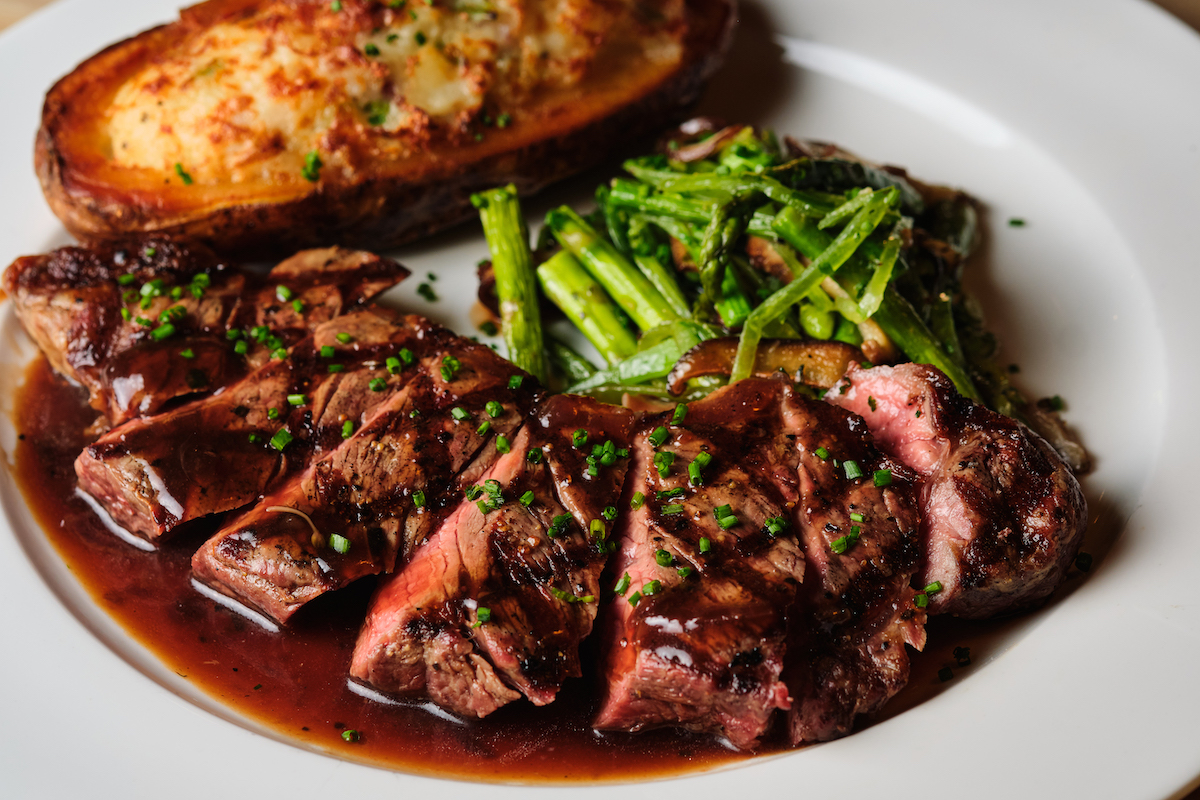
“I’m pretty sure I’ve tried them all! I’m a fan of simplicity and letting the ingredients speak for themselves. Salt and pepper only on a steak. Morton’s Kosher Salt is a must! It’s been a staple in my kitchen and our restaurants for forever. I have no clue how anyone uses anything else to season. Fresh cracked black pepper and a searing hot grill. At home, I always temper my steaks to room temperature before grilling and always give plenty of time to rest. Grill starts off on high and then gets brought down to medium as soon as the steaks go on.” –Director of Culinary & Purchasing Ben Krawiecki
UP on the Roof
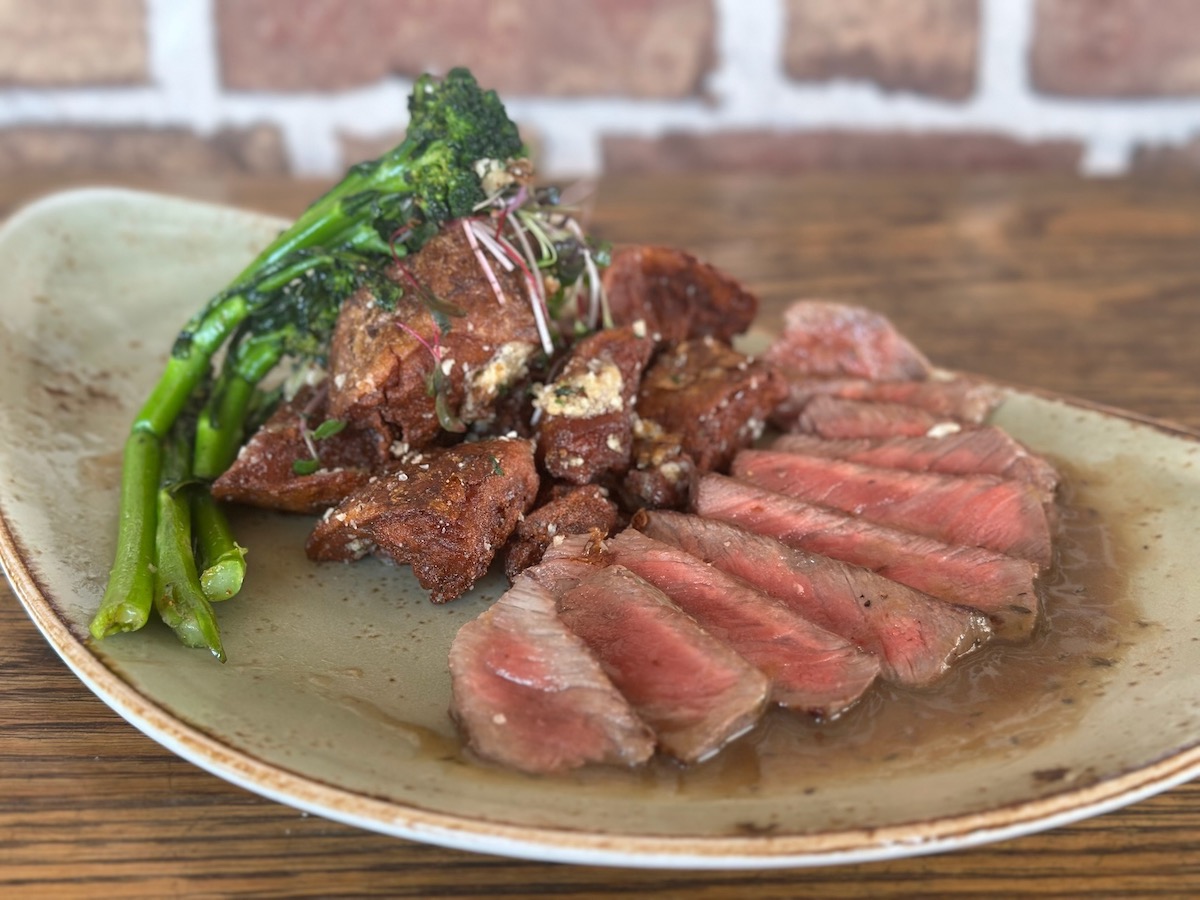
“My favorite method for cooking ribeye is pan-searing it in a cast-iron skillet. I let the steak sit at room temperature for about 20 minutes first so it cooks evenly. Then I season it with salt, pepper, and a little smoked paprika and sear it over high heat for about three to four minutes on each side. Once I turn the heat off, I add cold butter, minced garlic, and shallots, along with a few fresh thyme sprigs, and baste the steak with the butter to build even more flavor. Then, I remove it from the pan and let it rest for about four minutes before slicing and serving.” –Chef Travis Collum
Catch 12
“I prefer a hot grill with salt and pepper only.” –Chef Morgan Starr
STK
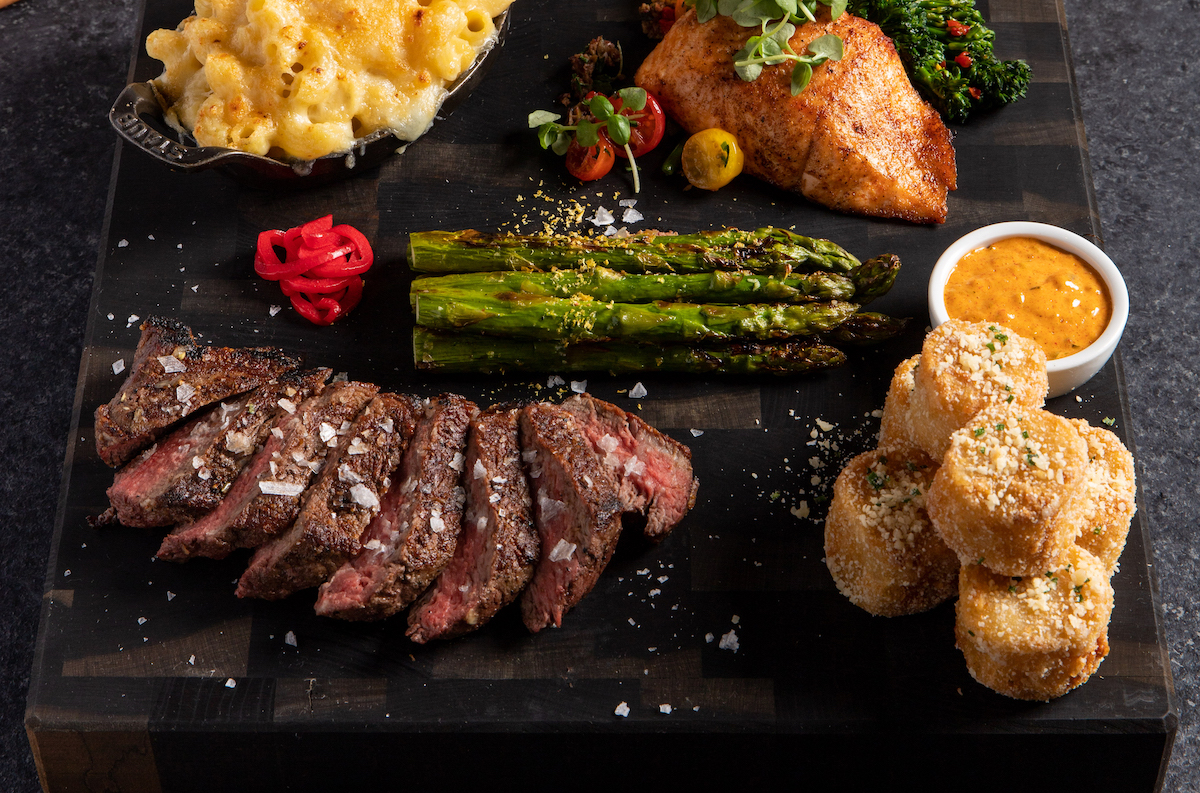
“Professionally, I prefer cooking steaks in a double-deck broiler. It gives you extremely high, direct heat from above, which allows you to develop a deep, caramelized crust while keeping the inside tender and juicy. We season the steak simply with salt and pepper, start it on the hotter deck to build that crust, and then adjust the level to finish it to the exact temperature. Resting the steak afterward is key so the juices redistribute before serving. Personally, it depends on the cut but a high-heat sear on a good quality carbon steel pan, followed by an oven finish. S&P (salt & pepper), sear it hard to develop a deep crust, then finish it to temperature. Doesn’t matter the technique, resting the steak is just as important—a huge part of the process so every bite is flavorful and tender.” –Chef Robert Liberato