

Waste has long been accepted as an unfortunate reality in the restaurant industry. But citrus rinds, excess herbs, and produce past the peak still carry so much potential, especially in cocktails. Recently, bar curators across the city have taken note, saving compost-bound scraps for something greater.
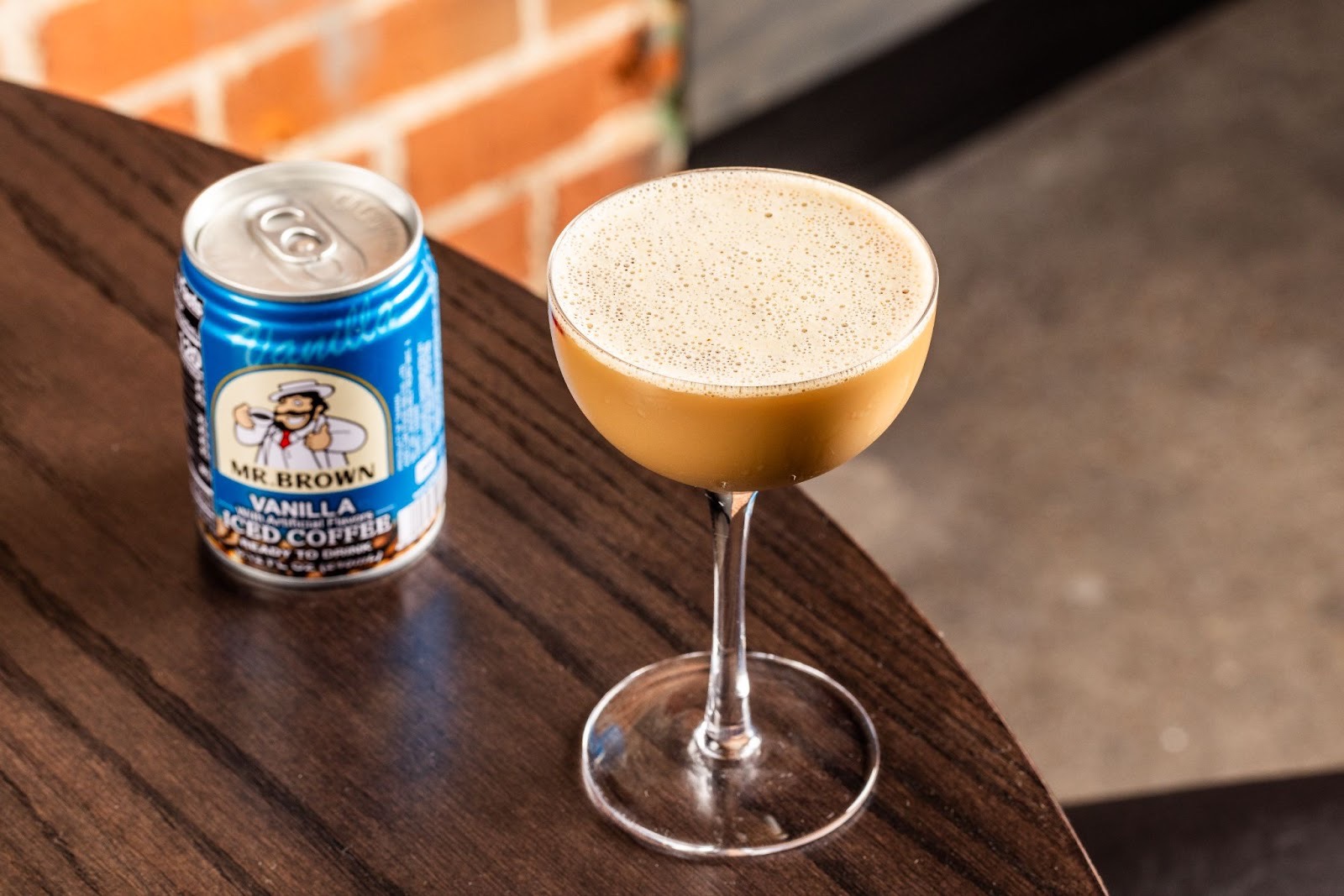
Naturally the Michelin Guide green stars places like BRUTØ and The Wolf’s Tailor whip up sustainable cocktails, but many other restaurants are quietly challenging the status quo, too. At Pig and Tiger in Five Points, leftover chili crisp spices add depth to its non-alcoholic Mr. Brown espresso martini. Duo restaurant in LoHi serves a martini that makes use of the brine, spices, and oil from its house-marinated olives. Behind the bar at FiNO on East Colfax, a single lemon lives nine lives, from oleo saccharum and essential oils to housemade limoncello.
So what’s behind this zero-waste trend? We spoke with three local experts to find out how this eco-conscious effort drives collaboration and creativity, as well as a deeper respect for producers and the planet.
Working with the Kitchen
Seasonal cocktails at Apple Blossom, the farm-to-table restaurant within downtown’s Hyatt Centric Downtown Denver, often start with a simple question: What’s already in stock?
“I try to get our food menu like a month before so I know which kind of things we can cross-utilize,” said food and beverage director Kinga Mackowiak. At times, she added, the bar’s needs may influence the kitchen, and planning is always a conversation with the chef.
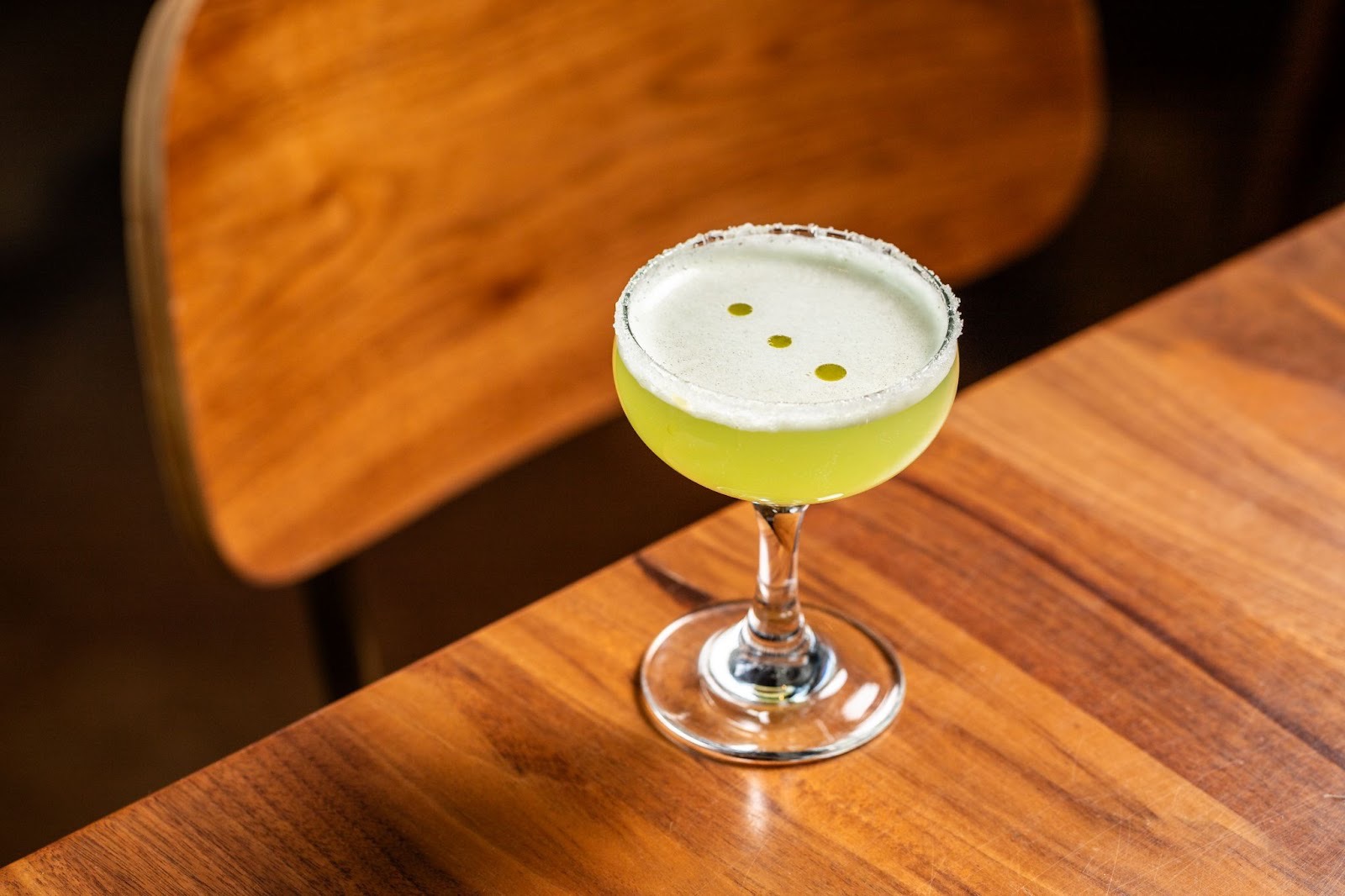
This dialogue plays out in subtle but intentional ways. On the spring menu, a glistening housemade basil oil made for the Basil Lemon Drop Martini ($14) also appears on the Marinara Meatballs ($7) served during happy hour. Similarly, miso-honey syrup is used for both the roasted Brussels sprouts ($8) and Try Your Luck cocktail ($14) featuring snap pea-infused sake.
Meanwhile, Dear Emilia in RiNo found a way to repurpose starchy water left from a black rice salad. Co-founder and bar director Austin Carson turned this into a vermouth by adding lambrusco (a sparkling red wine), proofing up the blend with rum, and then infusing it with herbs and spices. It now forms the base of the Kingston Negroni ($16).
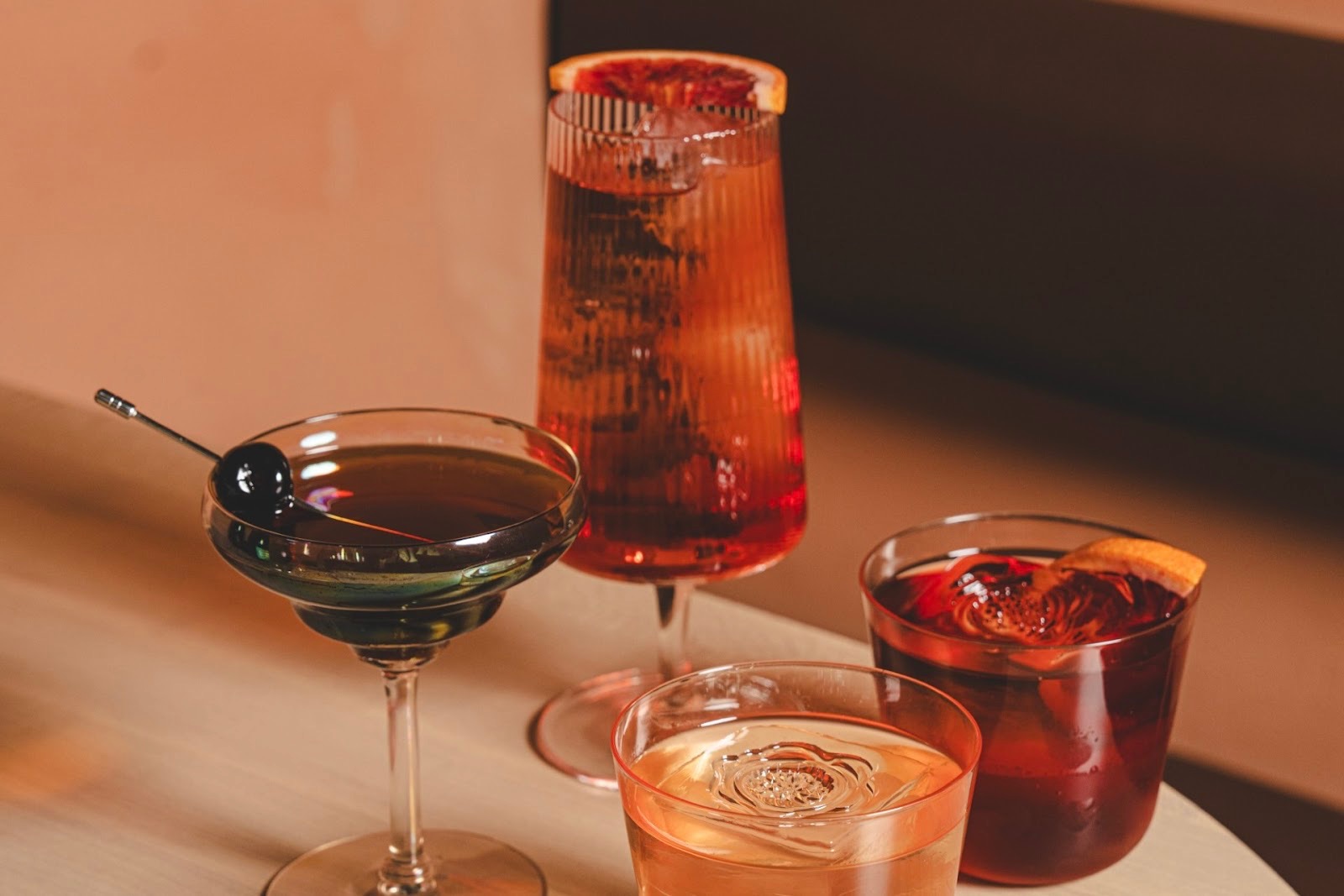
Guests to this Northern Italian restaurant will also find multiple uses of blood orange: plump segments in the Insalata Mista ($16), as well as juice in the housemade ginger beer ($14). But what about the rinds? The team behind Emilia and its sister concept, Olivia, has a plan for those, too.
Using Odds, Ends, and Excess
Carson commented that when it comes to a zero-waste approach, “One of the biggest challenges behind bars in general is citrus.” Still, he’s developed a purpose for peels, which steep in water to create an infusion that later becomes the carbonated component of the blood orange spritzes at Emilia ($15) and Olivia ($17).
El Five in LoHi uses spent citrus halves to build a layered juice blend for its sangria ($15), while another nearby Edible Beats restaurant concept, Linger, uses rinds for oleo saccharum, the bright and aromatic syrup flavoring the bourbon-based Last Nail cocktail ($28).
“It’s the kind of ingredient that would otherwise head straight to the compost bin, but instead becomes one of the most nuanced components in the glass,” said Edible Beats bar manager, Doug Vu.
Back over at Apple Blossom, the bar team repurposes carrot peels in its popular Carrot Crush cocktail ($14). It features a carrot-ginger shrub, as well as a flavorful rim made by dehydrating and powdering the upcycled ingredient.
“We can think about all of those parts which we are throwing away and use it instead of buying more things,” said Mackowiak, whose zero-waste mindset was instilled in her early on. Raised by a mother who worked closely with farmers and a grandmother who survived wartime scarcity in Poland, she understands the value of ingredients in their entirety.
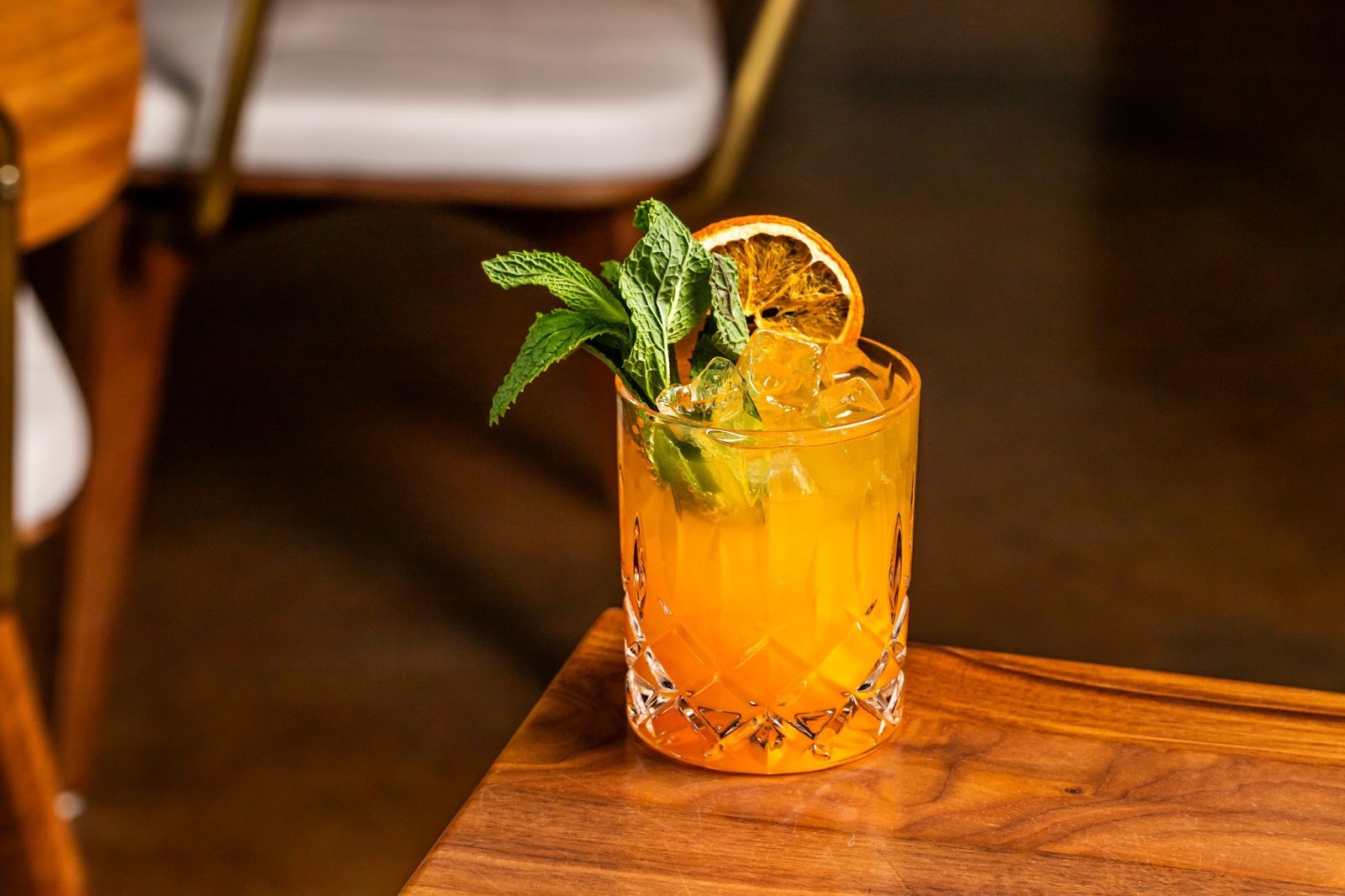
Beyond stretching scraps, bar teams have gotten clever with making use of excess. At Olivia in Washington Park, ideation begins in the cellar several months in advance.
“The way in which we conceptualize the cocktail lists flows from the ingredients that are available to us,” explained co-owner and bar director Austin Carson, noting both seasonal surplus and the restaurant’s preservation techniques.
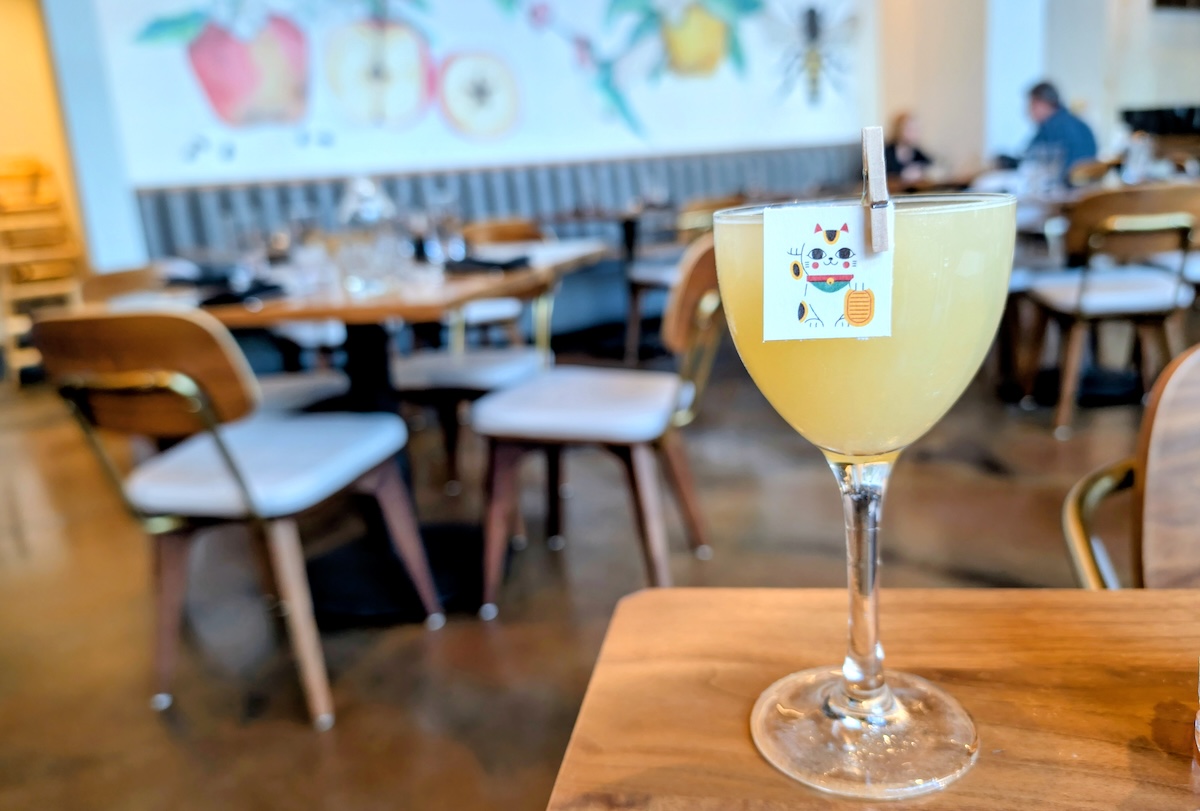
Last fall, eco-minded employee Rachel Whimpey came across a bounty of backyard apples through an online post, which Carson and sustainability director Paula Thomas turned into an extensive project. Now, roughly seven months later, the infused whiskey, amaro, and cider honey form a fully composed apple old fashioned ($16).
Worth the Effort
Even the most climate-conscious would agree that often, sustainable efforts demand a greater level of time and effort. But while some may see it as a hassle, Mackowiak loves the challenge. Standing over Apple Blossom’s vibrant selection of spring cocktails, she affirmed, “It does let you be creative and come up with new ways to present things.”
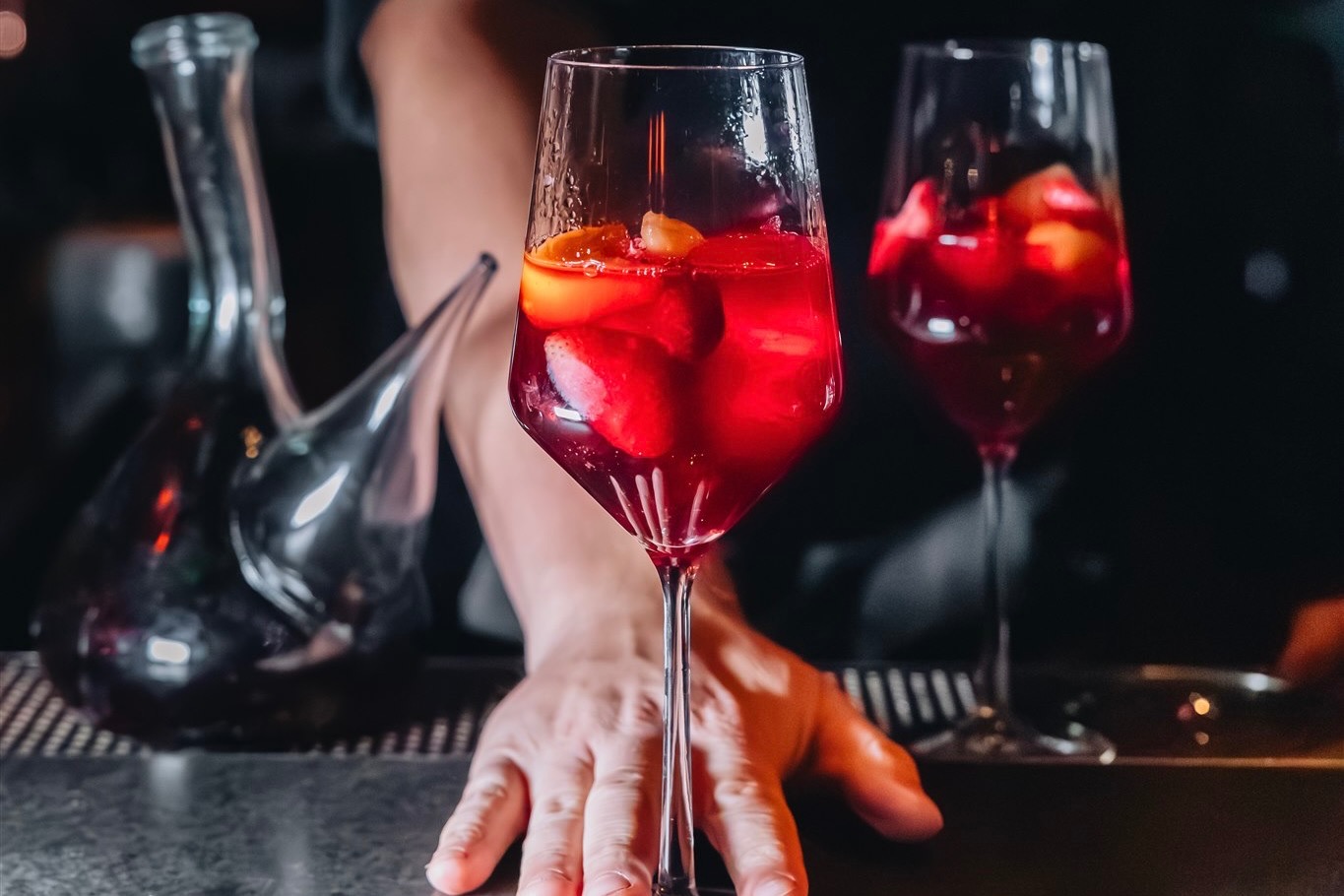
Vu agreed, noting that Edible Beats’ hydroponic farm encourages endless experimentation. Housed in an upcycled shipping container behind Vital Root, fresh herbs and greens are always readily available. “When your supply chain starts that close to home, waste becomes much harder to justify and a lot easier to get creative with,” he said.
From a mission-driven standpoint, Carson also has a hard time excusing waste. “We want to treat [producers’] products with as much respect as we can when it comes to the door, and that requires thinking at a high enough level that we’re using every bit of it that we possibly can.”
Sustainable practices are no longer niche, but necessary, and this trend signals an important shift in mindset. It’s an added bonus that scraps make cocktails all the more delicious.


