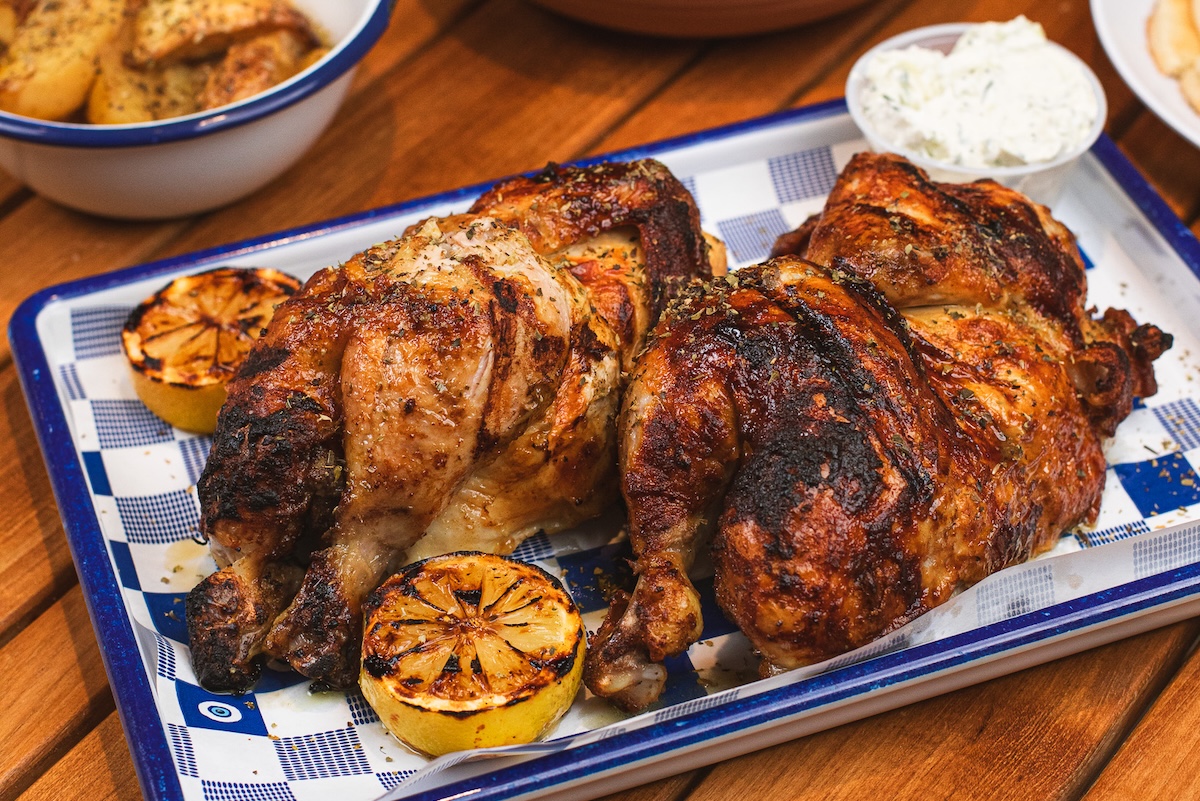
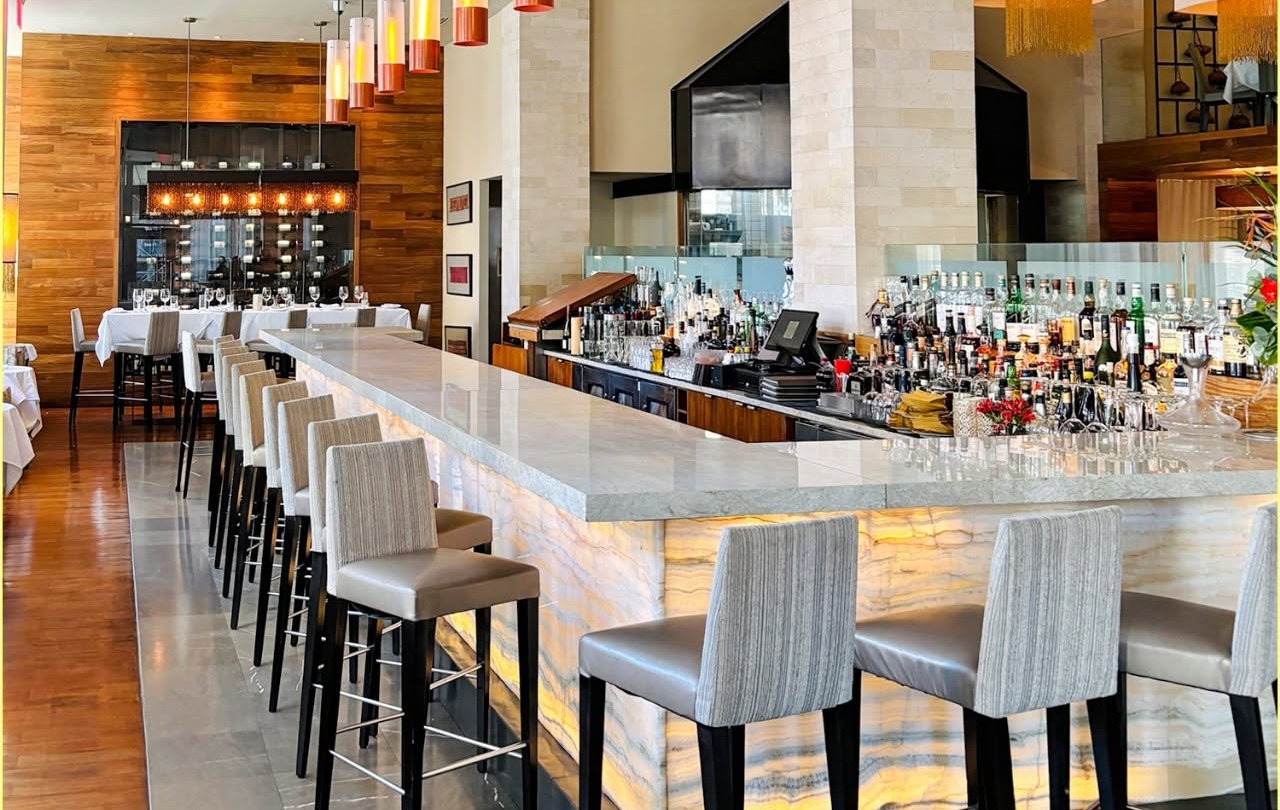
Welcome to #TBT, or Throwback Thursdays, where we revisit some of New York’s tried and true restaurants that have become institutions. For example, Tamarind Tribeca, an Indian restaurant that’s been around for 25 years. Over time, places like it have weathered the shifts in our city’s restaurant landscape. As flashy newcomers enter and exit, these restaurants, bars, and cafes remain, though sometimes get overlooked by the fickle short-term attention span of a social media-driven obsession with the new and the now.
“Six short weeks ago an Indian restaurant was discovered on Eighth Avenue near Forty-second Street,” wrote a journalist in the New York Times. “Grave Indian gentlemen, with American clothes but with great turbans on their heads, used to come in for their curry and rice. Six short weeks—and already the restaurant is half full of tourists, eagerly peering at each other for turbans and local color.”
You’d be understandably mistaken if you thought the next paragraph mentioned influencers blinding other diners with their portable selfie lights. But no, this was written by Helen Bullitt Lowry on April 3, 1921, in an article titled The Old World in New York.
The restaurant in question was probably Taj Mahal Hindu Restaurant, which first opened in 1918. And Ms. Bullitt Lowry’s description of her experience is one of the first recorded mentions of Indian restaurants in the United States. It tells us that some things never change. Well, that is, except for possibly the state of Indian cuisine in New York City.
Let’s take Tamarind, for example. The lauded Indian restaurant is celebrating its 25th anniversary in June, 2026. For a New York City restaurant to be in business for a quarter of a century is like defying the laws of Gotham real estate. It just rarely happens. But Tamarind owner Avtar Singh Walia has a secret to his success.
The Birth of Elevated Indian Cuisine in New York
When the Pungabi-born Walia arrived in the United States in 1977, the Indian restaurant scene was limited to no-frills eateries, most of them relying on the all-you-can-eat method with steam trays lining the back of restaurant dining rooms.
“I looked around and there were upscale versions of French, Italian, and Japanese restaurants, so why not Indian?” said Avtar, who, in the early 1980s, became the manager at Akbar, one of the first upscale Indian restaurants in New York. “We got great reviews and had a loyal clientele and that’s when something clicked inside me and I thought: I could not only do this on my own, I could do it better.”
Avtar’s goal: make his own Indian restaurant even more upscale and elevated. And that’s how his first restaurant, Dawat on East 58th Street, was born in 1986. He even kicked it up a notch further, recruiting Madhur Jaffrey, the prolific Delhi-born chef, cookbook author, actress, and occasional star in rap music videos with future New York City mayors.
Dawat was something of a revelation at the time, thanks to its menu which covered a lot of culinary ground around several regions of India, many of the dishes laden with artisanal ingredients rarely, if ever, seen at Indian restaurants in the United States up to this point.
The Tamarind Seed
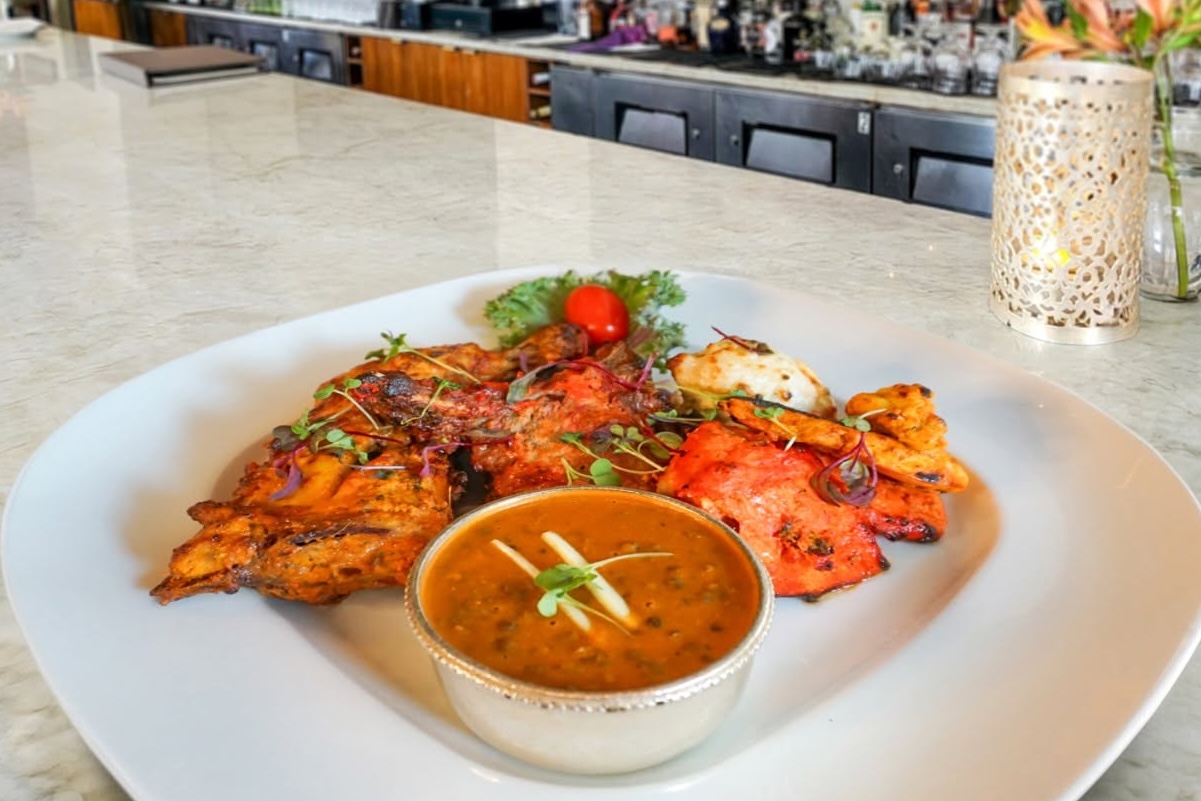
Dawat was a success. But Avtar didn’t slow down. In 2001, he birthed Tamarind in the Flatiron District, a sleek space where the kitchen cooked up even sleeker versions of Indian classics from around the subcontinent. Similar to when he opened Dawat and hired Madhur Jaffrey, Walia reached for the stars, bringing famed Memphis-based chef Raji Jallepalli in to lead the kitchen.
“Dawat was the number one Indian restaurant in New York,” he said. “So why stop now?”
In an enthusiastic two-star review in Spring 2001, New York Times restaurant critic William Grimes wrote that Indian cuisine in the United States was “stuck in the same sad spot Mexican cooking was a decade ago, its diversity edited down into a tired list of old standbys.”
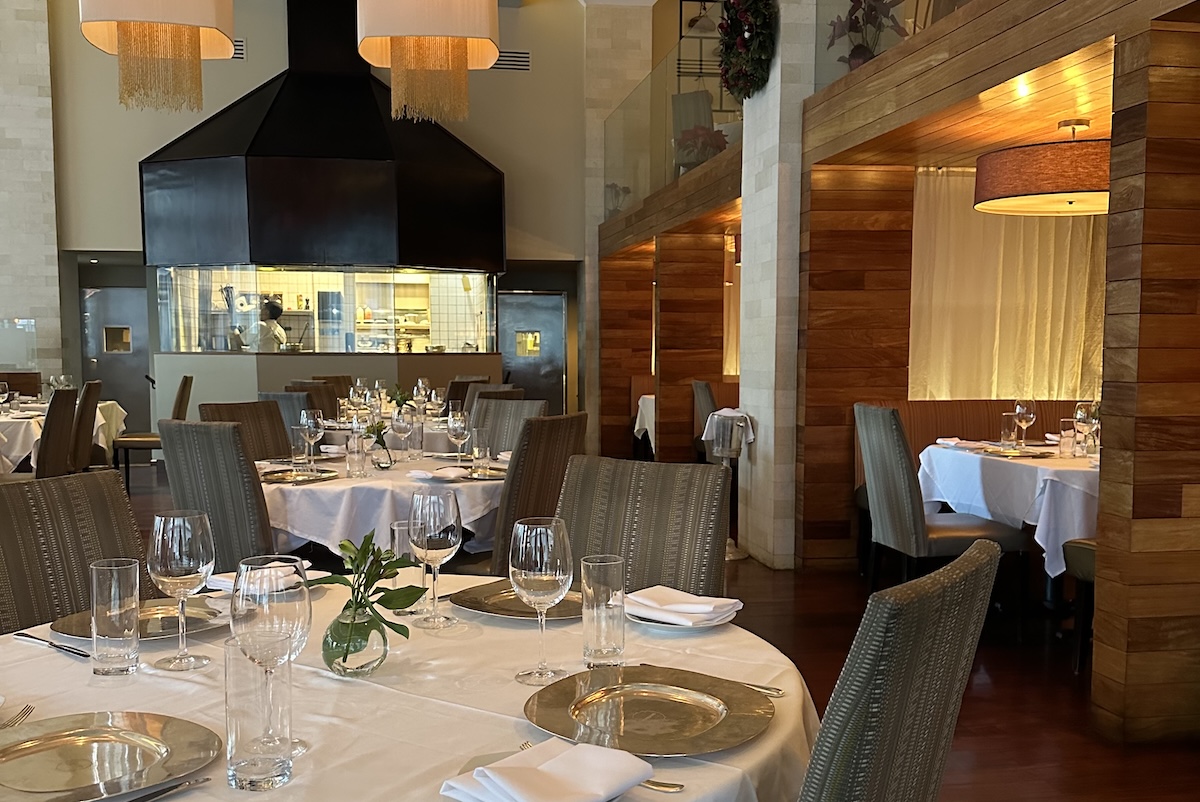
Tamarind, he said, was refreshingly different, adding that the food here “looks and feels fresh. The menu, though multiregional, identifies the origin of some dishes. It also plows new ground.” Grimes concludes that chef Jalepalli “treats Indian cuisine as a genuine culinary language, like French, able to assimilate nontraditional ingredients and techniques.”
Chef Jalepalli sadly passed away about a year after that review was published, but the restaurant ended up earning a coveted Michelin star in 2009 and held the honor until 2013 when Tamarind in the Flatiron District was forced to close because the building that housed it was slated for demolition. Avtar moved his focus to Tamarind Tribeca, an outlet of the original, which opened in 2010 and earned a Michelin star in 2013.
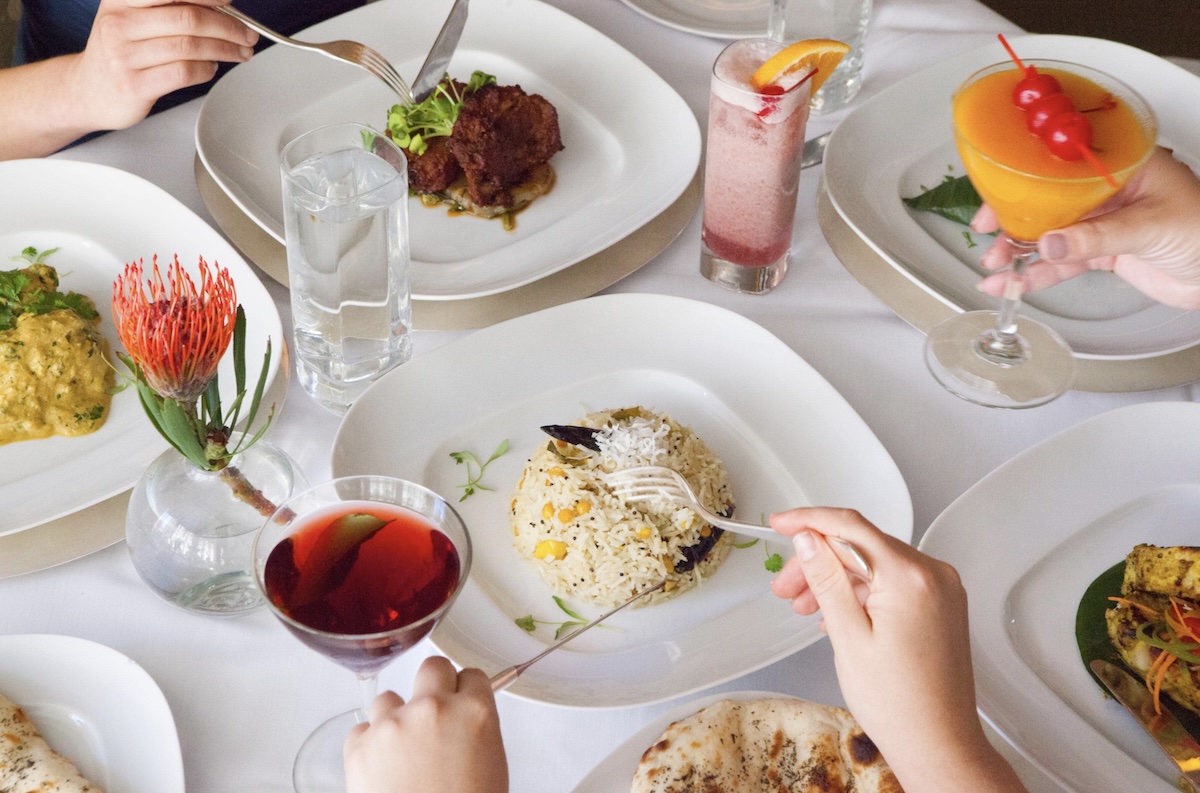
Today the 175-seat, high-ceilinged Tribeca spot, housed in a handsome Art Deco structure, is still in peak performance on the eve of its 25th year of existence. Some of the dishes from 25 years ago that are still on the menu include the garam-masala-spiced Tamarind Scallops and Achari Hiran Ki Chhampen, which translates to tender hung-yogurt-marinated venison chops.
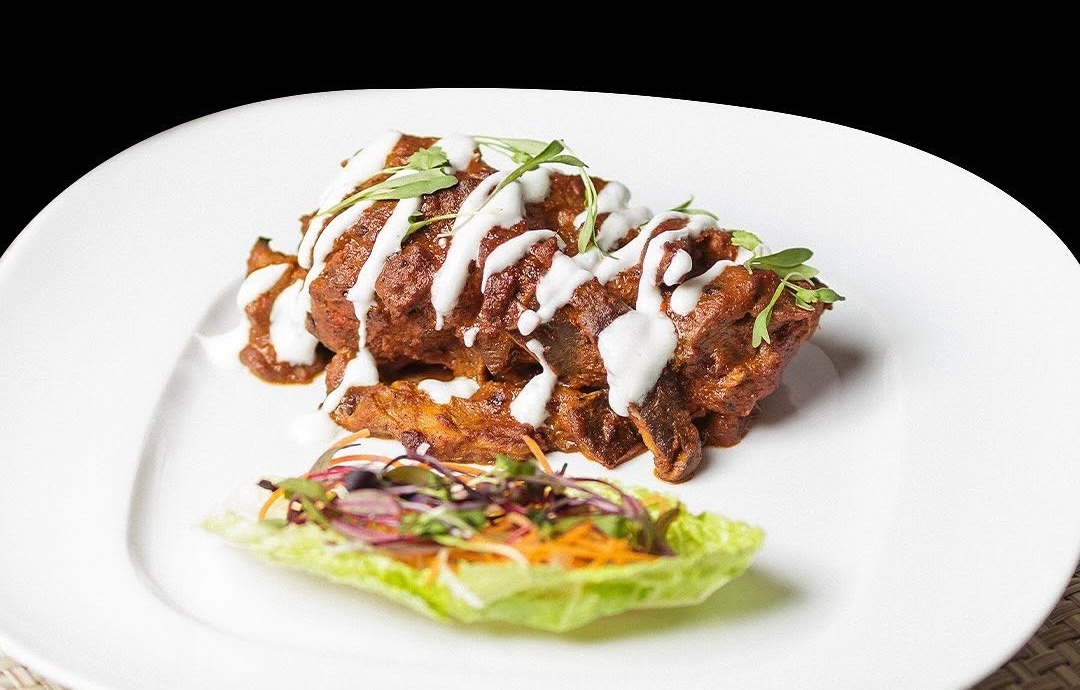
The Malai Halibut, one of the most ordered dishes in the history of the restaurant, was the 2004 winner of the USA Fish Dish Awards, an annual national competition that awards a restaurant the best fish dish in the country.
For its quarter-century anniversary, Tamarind plans to have a mixed menu that reflects the past, the present, and the future, featuring dishes that represent each era of the restaurant, including what is to come.
The Secrets to Tamarind’s Success
Walia is vigilant about maintaining the quality of the food and service at the restaurant. That’s why the 73-year-old is here five and a half days a week. It’s one of the secrets to understanding how Tamarind has lived so long.
“I’ve noticed with a majority of new restaurants that once the owner moves on to other projects and stops spending so much time there, the quality really diminishes,” he said. “For that reason, I’ve consistently tried to be here nearly every day to ensure the quality remains.”
Even when he goes to India to visit family once a year, he only stays in Chandigarh, the joint capital of the Punjab and Haryana States, for a week. “I’m really only there for three days because it takes two days to get there and two days to get back home. I just don’t want to be away from the restaurant for any longer than that.”
Come here for a meal and you’ll likely see Walia walking around, going table to table, to greet his customers, something not a lot of New York restaurateurs and chefs do much these days. The other secret to Tamarind’s success are three elements that Walia has identified as a hospitality death knell.
“Restaurants in New York close for three reasons: If you have partners, if you have disagreements with those partners, and if the restaurant is poorly managed.” I don’t have partners, so there can be no disagreement, and I know how to manage a restaurant.”
As for the future. Walia is very content with where he and Tamarind Tribeca are at. He’s fielded offers to expand to Las Vegas, a culinary money grab, people telling him that a Vegas outlet of Tamarind would be a “feather in his cap.”
“I don’t want it. I’m perfectly happy here,” he said, waving his arm across the two-floor, 11,000-square-foot space punctuated with thick, gleaming white pillars. “Why would I want to leave this?”
Visit Tamarind Tribeca every day for lunch between 11:30 a.m. and 3 p.m., and dinner Sunday through Thursday from 5:30 to 11:30 p.m., and Friday and Saturday from 5:30 p.m. to midnight. 99 Hudson St., Tribeca, tamarindtribeca.com