
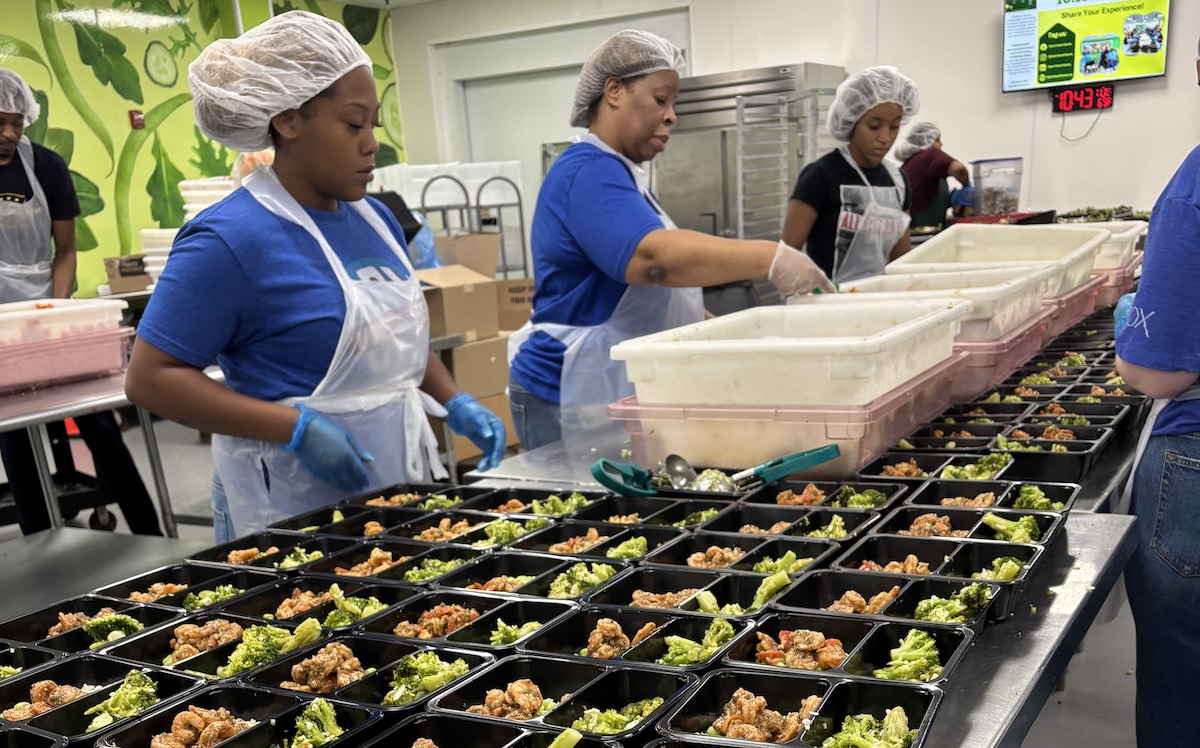
In a healthcare landscape increasingly defined by access, cost, and complexity, one Atlanta nonprofit has quietly built a model that begins not in a hospital, but in the kitchen. Open Hand, the largest community-based provider of home-delivered meals and nutrition services in the Southeast, has spent nearly four decades proving that what we eat can be as critical as any prescription.
Founded in 1988 by Michael Edwards Pruitt, Open Hand began as a grassroots act of compassion: delivering meals to friends living with AIDS at the height of a crisis. What started as a small network of volunteers has grown into a nationally recognized leader in medically tailored nutrition. Now accredited by the Food is Medicine Coalition, the organization has delivered more than 37 million meals—each one designed not just to nourish, but to heal.
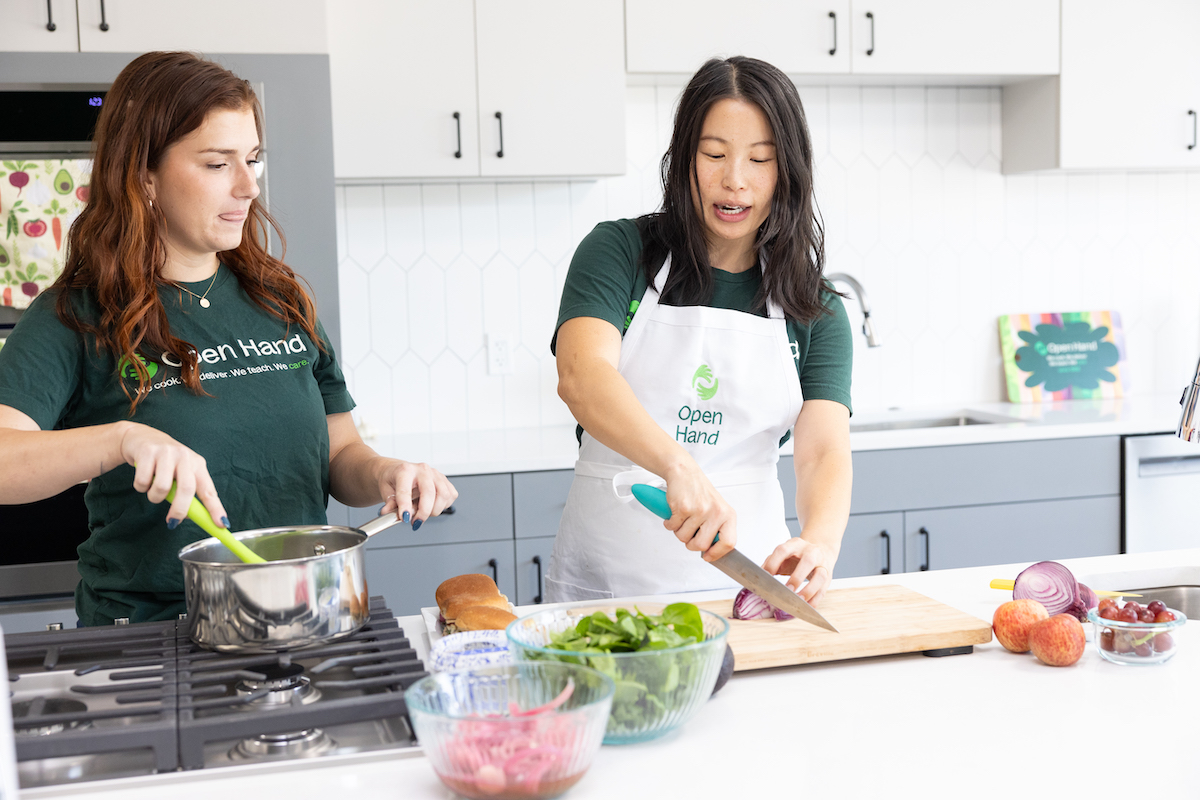
At the heart of Open Hand’s approach is a simple but radical idea: food is both care and intervention. Its Good Measure Meals™, crafted by Registered Dietitian Nutritionists, are tailored to meet the needs of individuals managing chronic illness, disability, or nutritional risk. Yet the impact extends beyond the plate. Through a social enterprise model that invites paying customers to subsidize meals for those in need, Open Hand bridges socioeconomic divides—turning everyday purchases into acts of community support. In doing so, the organization transforms food into something greater than sustenance: a system of dignity, equity, and shared well-being.
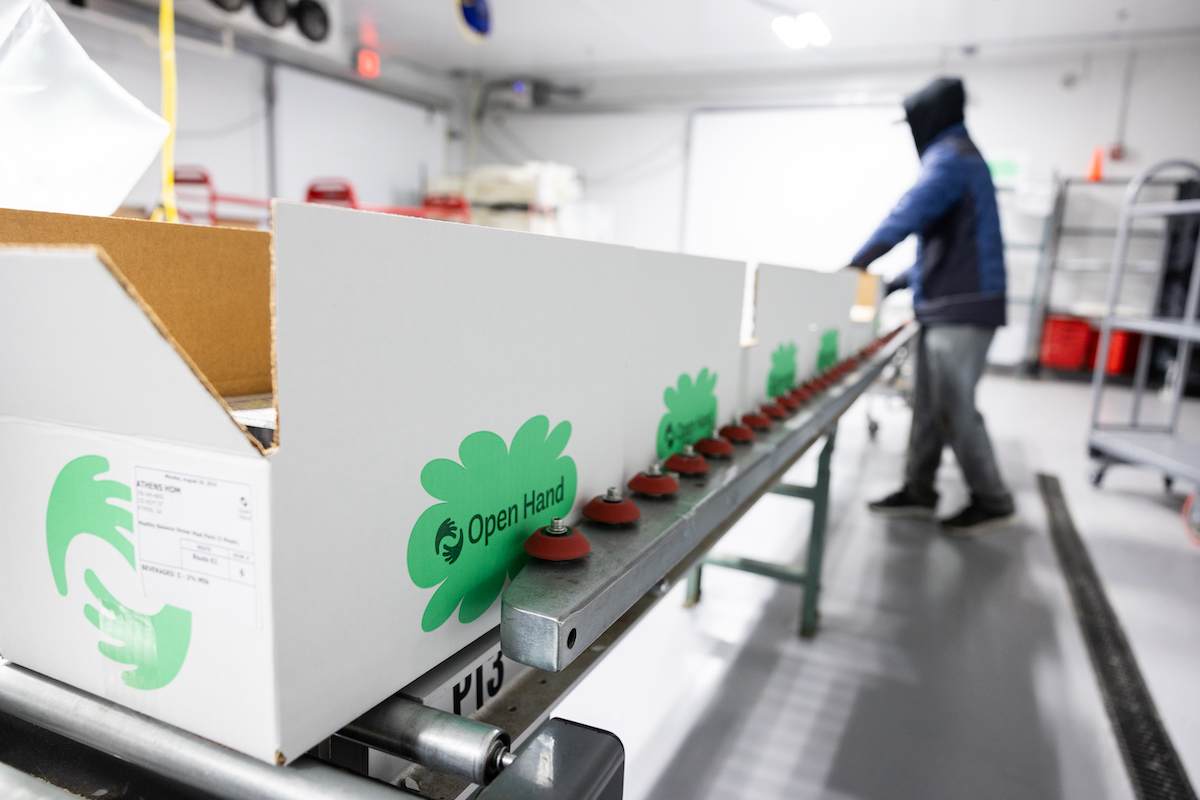
Delivering those meals is a community effort. On any given day, roughly 70 volunteers help package and distribute food across the region, assembling thousands of meals in just a few hours before drivers head out on routes that can include more than a dozen stops. For many clients, those deliveries offer more than nutrition—they provide routine, connection, and a reminder that someone is paying attention.
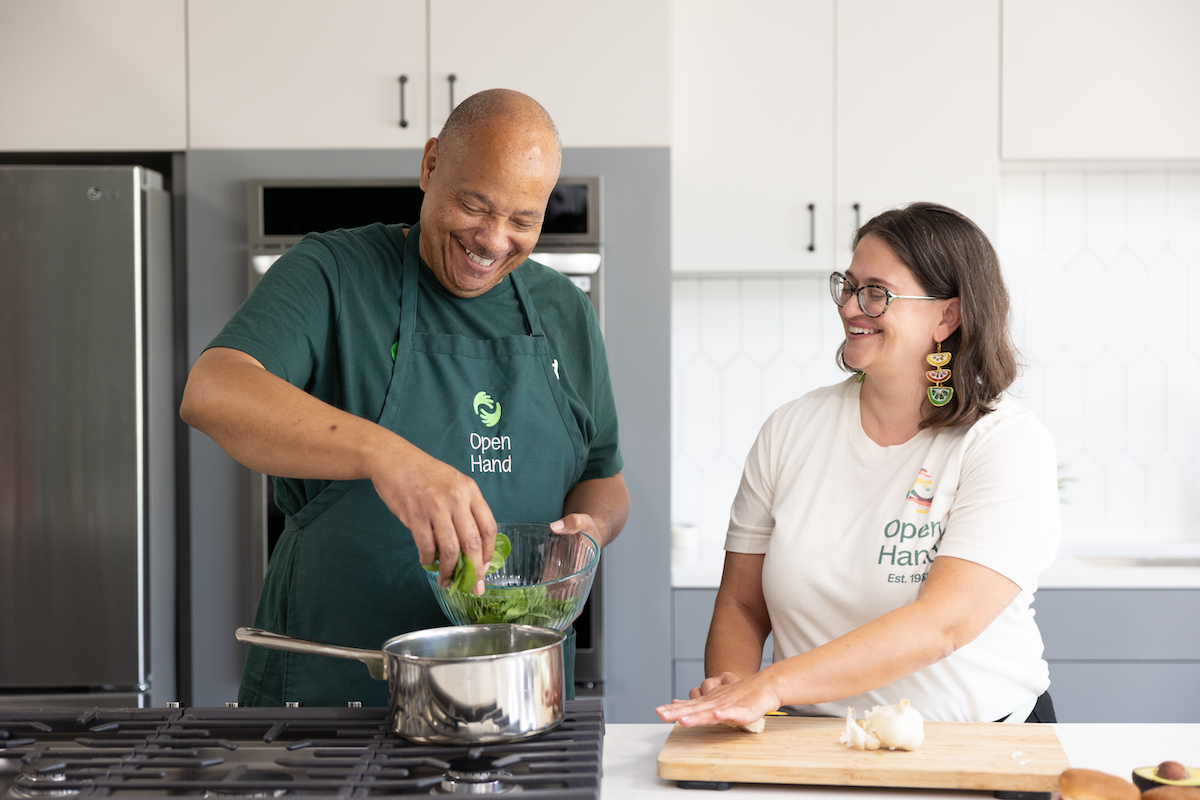
Clients begin with a one-on-one consultation, either in person or virtually, where nutritionists assess their comfort in the kitchen, dietary needs, and lifestyle. From there, meals and education are tailored to the individual. Classes—offered on-site, in hospitals, senior centers, and online—cover everything from managing diabetes through diet to simple, affordable cooking techniques.
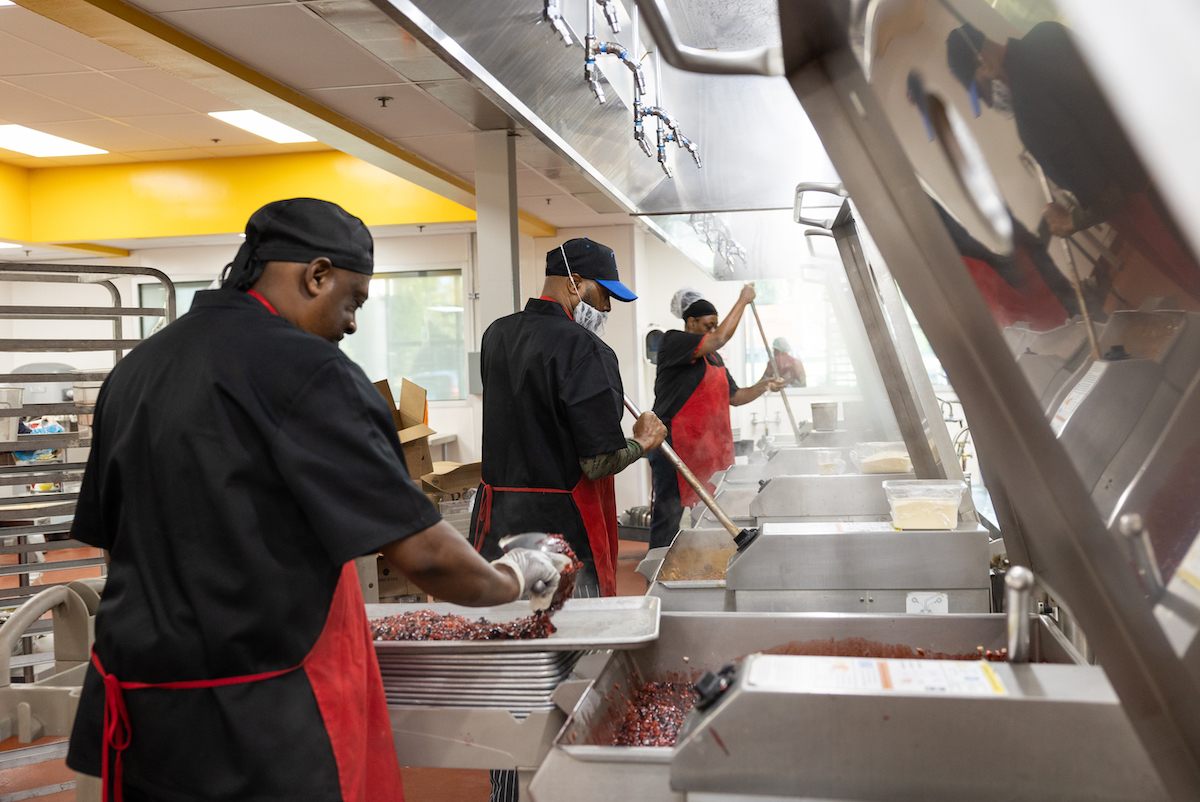
In 2025, Open Hand expanded its impact beyond meal delivery with a workforce development initiative—an 11-week culinary training program aimed at individuals from challenging backgrounds. The program is intentionally selective, with a waitlist and a rigorous interview process to ensure participants are prepared for the physical and mental demands. Once accepted, apprentices spend four days a week in the kitchen, learning knife skills, sauces, and foundational culinary techniques, alongside professional development skills like interviewing and financial literacy. The results are promising: an 85% graduation rate and direct pathways into Atlanta’s restaurant industry, which continues to face staffing shortages.
Open Hand’s reach is amplified through partnerships with local governments, healthcare systems, and nonprofits like Atlanta Mission, which help connect vulnerable populations to services. Many clients are referred through Medicaid, Medicare, or county programs, ensuring that those most at risk—seniors, individuals with chronic illness, and families facing economic hardship—can access consistent, medically appropriate meals.
Funding for this work is as multifaceted as the mission itself. Government contracts, including programs like Ryan White and HOPWA, support meal delivery and nutrition education for people living with HIV/AIDS, while philanthropic contributions account for roughly a third of the organization’s annual budget. The remainder is sustained through its social enterprise model, where purchased meals directly fund those provided at no cost.
Even as it has grown into a national leader in the “Food is Medicine” movement, Open Hand has remained grounded in its origin story—a small act of care during a moment of crisis. Nearly four decades later, that same ethos continues to guide its evolution. Whether through a delivered meal, a nutrition class, or a new career pathway, the organization is quietly reshaping how we think about health: not as something confined to clinics and prescriptions, but as something that can begin, quite simply, with food.
In a full-circle moment for Atlanta’s culinary community, DiningOut will debut its Rare Steak Championship at Pullman Yards on Thursday, April 9—an event that not only celebrates the city’s culinary talent, but also supports Open Hand, turning an evening of indulgence into a meaningful investment in community health and well-being.


