Is it too expensive to own and operate a restaurant in Denver? According to a new report from the Denver Restaurant Liaison Project, the answer is quickly approaching yes.
Commissioned by Denver Economic Development & Opportunity, Visit Denver, and inKind, and led by restaurateurs Adam Schlegel (Snooze, Chook) and Dana Faulk Query (Big Red F Restaurant Group), the report titled, 2025 State of Denver Restaurants: Challenges Facing the Sector, draws on six months of interviews, surveys, and on-the-ground research to assess the state of the city’s restaurant industry. It paints a picture of a sector under mounting pressure where rising labor costs, overall affordability, and regulatory hurdles are making it harder than ever to open, operate, and sustain a restaurant in the Mile High City.
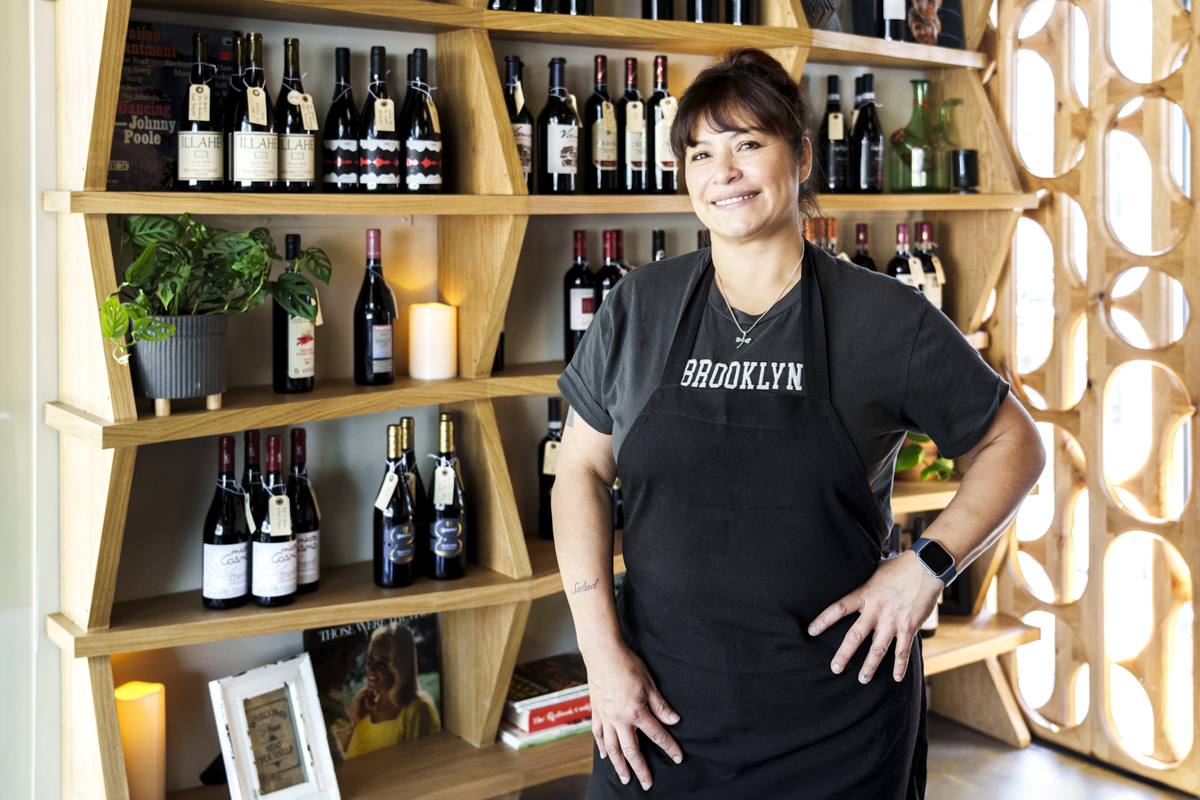
“The first restaurant I opened 22 years ago was Rioja with Jen [Jasinski] and Beth [Gruitch]. It was a different world,” said Dana Rodriguez, who has owned and operated some of Denver’s most prominent restaurants for the past 20+ years, including Work & Class, Carne, and Lakewood’s famed Casa Bonita. “Everything was a lot easier, from the city to the health department to employees and consumers.”
The Wage Debate Wages On
Restaurants have always operated on thin margins while employing far more workers than most industries. Full-service restaurants typically run on just 3- to 5-percent profit, with labor alone accounting for 25- to 35-percent of operating costs. Since 2019, that equation in Denver has drastically changed, with hourly labor costs rising 50- to 55-percent.
As of January 1, Denver’s minimum wage for non-tipped workers is $19.29 and $16.27 for tipped workers. At the same time, the state’s $3.02 tip credit has remained the same.
A tip credit allows restaurants to pay tipped employees a lower base wage than minimum wage, as long as the employee’s tips make up the difference. If an employee’s lower base wage plus their tips don’t add up to minimum wage (which is $19.29 in Denver), the employer must pay the difference. Therefore, all tipped employees do make minimum wage.
“You can be a busser or hostess or a bartender or server and make a lot more than a chef, and chefs are on salary,” shared Rodriguez, who applies a 3-percent charge just for the kitchen staff to each customer bill.
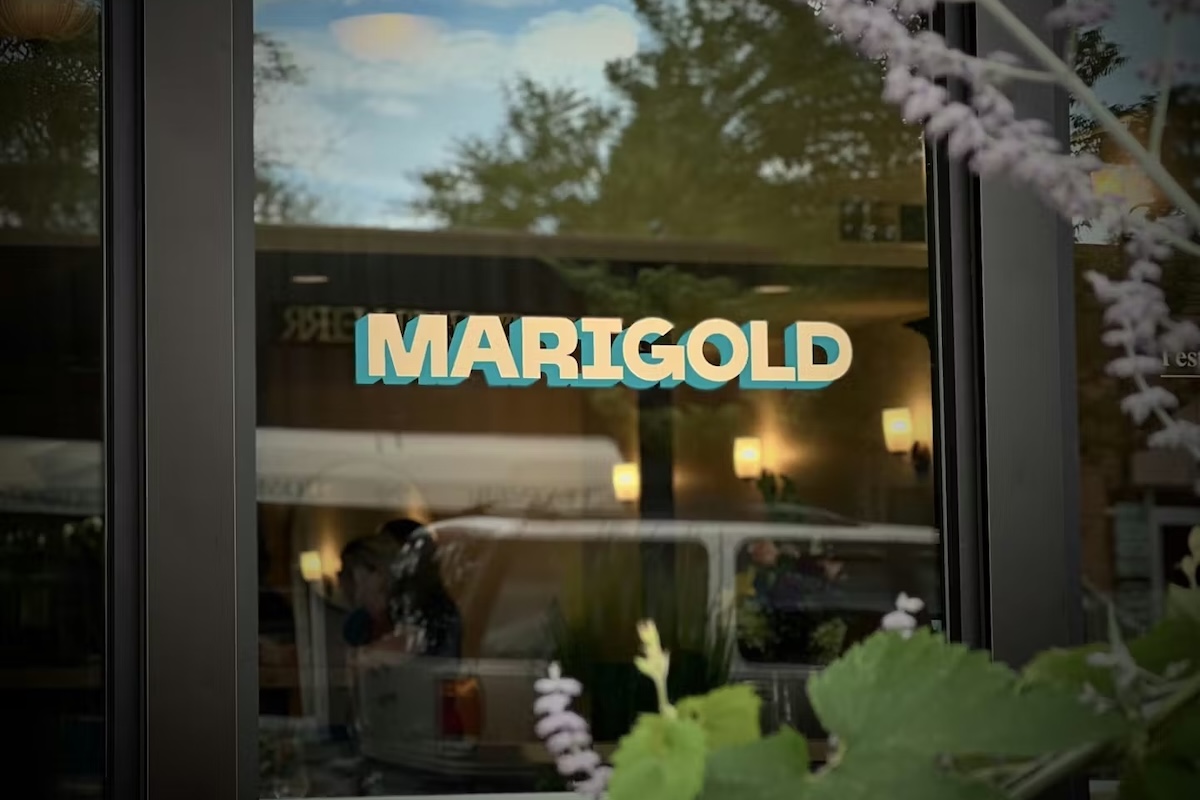
Chef Theo Adley of Marigold Lyons, who is opening Heretik in Denver this spring, said he’s starting every employee, front- and back-of-house, at $20 an hour. He’s using a whole-house tip structure which legally requires paying all employees at the full minimum wage.
“Hourly labor is crazy high,” he shared. “But it’s not like people making $20 an hour these days are killing it, but it’s a little easier than making $16 an hour.”
The report indicated that the difference between Denver’s minimum wage and actual living wage is smaller than nearly all comparable cities in the analysis, a fact which Schlegel stated many business owners are proud of.
However, those wage increases seem to have come at a cost to the job market. Denver now has 6-percent fewer restaurant jobs than in 2020, and nearly 15-percent fewer in full-service restaurants. In practice, that looks like fewer bussers, smaller kitchen teams, and more automation like ordering kiosks.
“Of course, we want our people to make a better living,” Rodriguez continued. “[But] we used to have an extra person to help prep, now we can’t afford that. I used to be able to offer full dental and health insurance, 401(k) matching, but now I can’t.”
Some operators like Culinary Creative Group (CCG) (Ash’Kara, A5 Steakhouse, Señor Bear, etc.) are experimenting with alternative compensation models. CCG has notoriously been at the center of the service charge discussion in Denver. They add a 20-percent service charge to each bill, which is legally classified as company revenue not tipped income, and distribute it across front- and back-of-house staff.
According to CCG co-founder Katie O’Shea, around 30- to 35-percent is given to the back of house, leaving front of house employees with 65-70 percent. Any additional tip a customer leaves on top of the 20 percent service charge is given directly to their server.
“Nobody’s more important than the other,” said CCG co-founder Juan Padro. “I am totally for the front of the house making a ton of money, but not at the expense of the back of the house.”
The topic of wages and labor is a sensitive one, and the report has not been without its dissenters. Since publishing, over 50 local establishments have formed the Denver Independent Restaurant Coalition Against Wage Cuts, including Annette, Dio Mio, Hearth, MAKfam, Yacht Club, Weathervane Cafe, and more.
On April 15, the coalition published an open letter to Denver City Council urging members to reject any proposals that would lower wages for tipped workers. The letter expressed concern that the report “seems to be shaping the policy conversation,” stating it was “authored by restaurant owners who stand to financially benefit from the very policy changes being discussed.”
When DiningOut Denver spoke with Schlegel in March, he emphasized that the findings and recommendations in the report are the result of that research, not his and Query’s own personal beliefs.
“The recommendations were really the culmination, the majority voice of the people we spoke to,” Schlegel said. “We were the research agents.”
Costs Are Outpacing Revenue
In addition to addressing wage cuts, the coalition’s open letter stated, “One of the most significant challenges facing restaurants today is inflation and the rising cost of doing business,” an issue the 2025 State of Denver Restaurants Report notably highlights as well.
Since 2019, Denver restaurants have seen a 23-percent increase in rent and a 22-percent increase in cost of goods, while overall earnings have declined nearly 20 percent. Those costs are compounded by rising insurance premiums, utilities, property taxes, and new mandated benefits.
“The last thing restaurants want to do is raise prices,” Schlegel said. “It’s the most nerve-wracking thing, because people have other choices.”
Still, in an attempt to keep pace, restaurants have had to raise menu prices, and Colorado now ranks among the top six most expensive states in the country to dine out, only trailing behind Washington, California, Oregon, Massachusetts, and New York. Yet, even that hasn’t been enough to offset the surge in expenses.
“At Work & Class, we say we offer a square meal and a stiff drink at a fair price,’ added Rodriguez. “We’ve done one price increase in 10 years because the minute you go too high, people don’t come.”
Meanwhile, the cost of ingredients has surged. “I used to pay $4 to $7 a pound for lamb. Now it’s $18 to $23,” she continued.
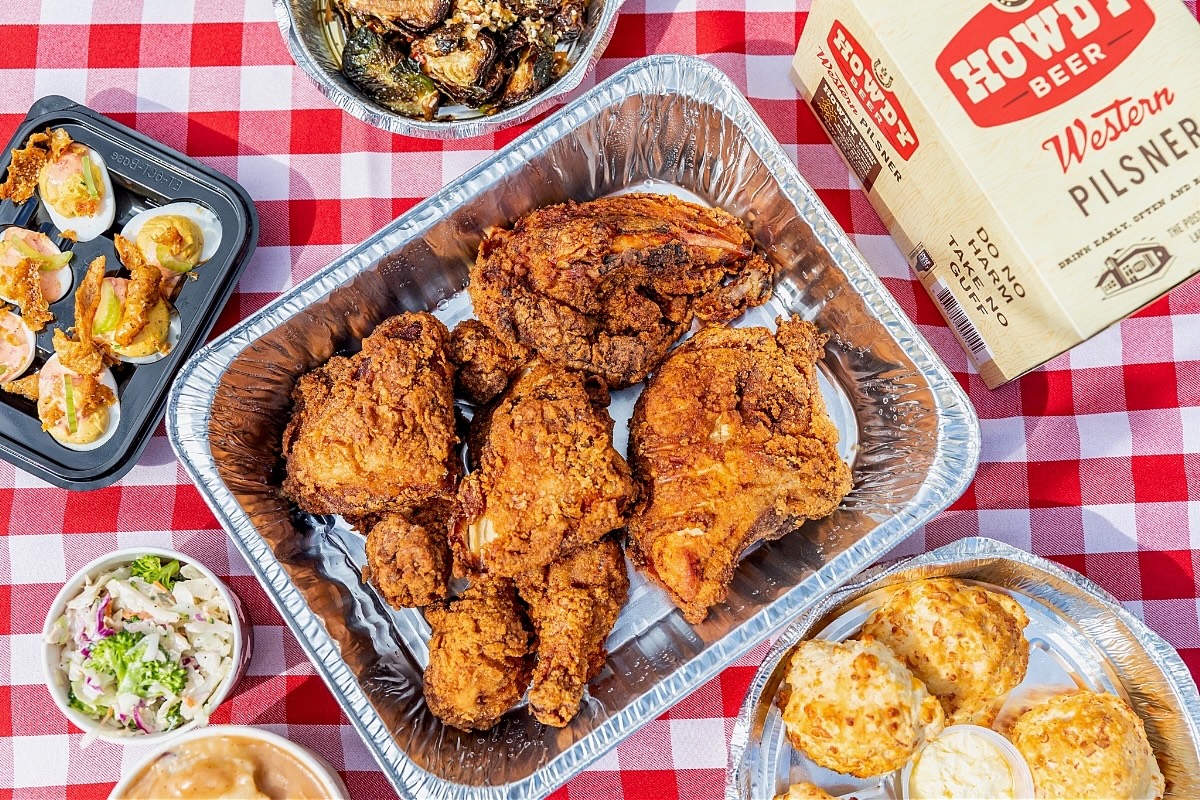
The gap between rent prices in Denver versus other cities around the Front Range can also be dramatic. Last year, Rodriguez opened a second Work & Class location in Englewood, where she says her rent is “probably 40% lower” than her Denver location.
“We’ve been open for 8 months [in Englewood]; at the end of the year, we’re going to be a lot more profitable than Denver,” she shared.
Another barrier to entry for new and established restaurateurs is the buildout cost, which can reach $1.8 to $3 million for a 3,000-square-foot restaurant. Additionally, real estate taxes on some properties have quadrupled in the past five years, alongside sharply rising insurance premiums.
“It’s not one thing, it’s everything,” said Rodriguez.
Permitting & Regulatory Hurdles
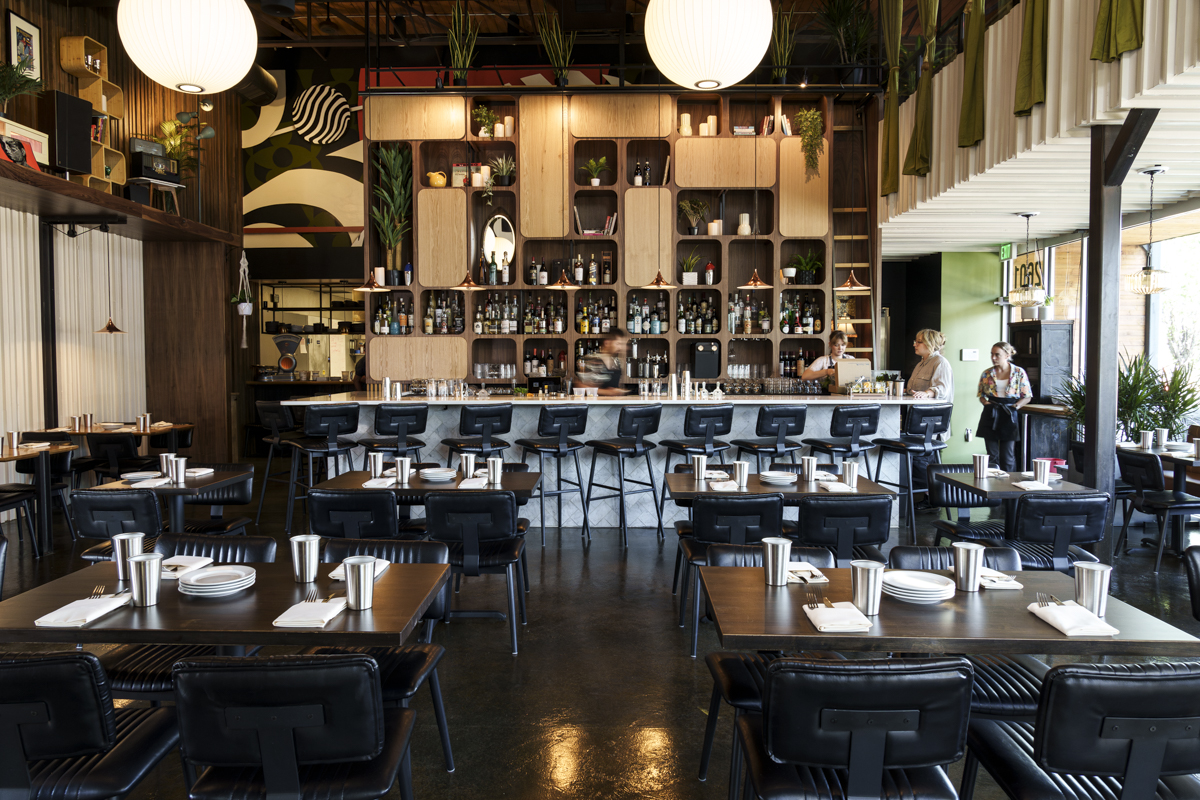
Beyond costs, many operators point to Denver’s slow and fragmented regulatory environment as another major barrier to doing business in the city.
According to the report, restaurant owners consistently described navigating a multi-agency process with unclear timelines, conflicting guidance, and limited communication between departments. Permitting timelines can stretch from three to nine months or longer, placing Denver among the slowest jurisdictions compared to peer cities.
Those delays come with real financial consequences. Operators estimate they can lose up to $70,000 per month in working capital while waiting to open, covering rent, payroll, and other fixed costs before generating any revenue. The issue has become significant enough that some national brands have walked away from Denver projects altogether.
At the same time, Schlegel noted the city has begun making progress. It launched the Denver Permitting Office last May with a goal of completing reviews within 180 days that has already led to improvements.
“I believe that nearly all of the permits since they put that goal into place fell within that six month process,” he said, all the while noting that there are several examples of other cities represented in the report where three or four months is a better rule of thumb.
Adley, who also owned The Pinyon in Boulder more than a decade ago and currently owns Marigold in Lyons, said his permitting process for Heretik, which he’s been working on since last November, has been relatively straightforward. He credits that in part to taking over a space with existing infrastructure and liquor license. From his recollection, permitting varied between the cities from just a few weeks in Lyons to several months in Boulder, with Denver falling somewhere in between.
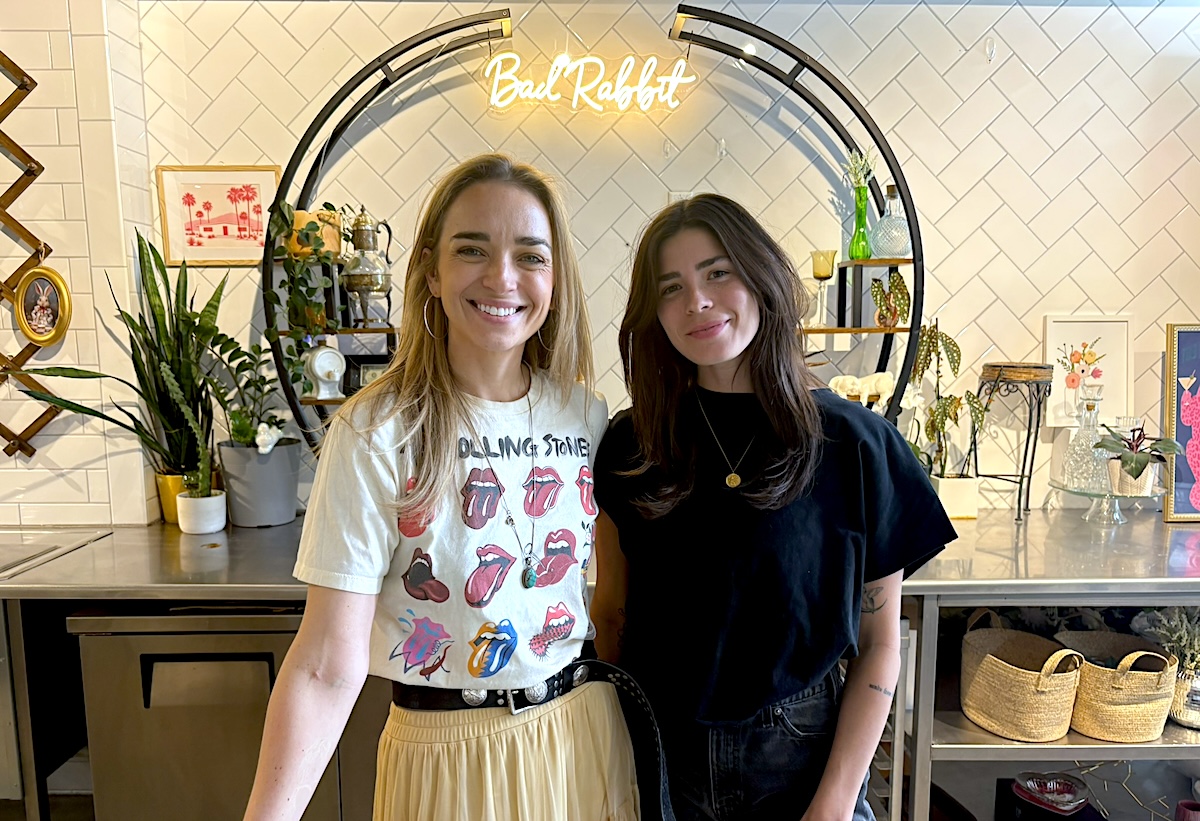
Similarly, for the founders of Bad Rabbit Coffee, Taylor O’Doherty and Jolene Main, the path to opening came together unexpectedly quickly. After reaching out to Industry RiNo about a pop-up opportunity, they were offered to take over the shared co-working space’s cafe area and went from initial contact to move-in in about six weeks.
For Rodriguez, however, the difference in the permitting process is stark when comparing Denver to nearby cities. At Carne in RiNo, she recalled waiting a year for a basic $25 sign permit, eventually opening without it just to start bringing in revenue. That experience stands in sharp contrast to her more recent Work & Class opening in Englewood.
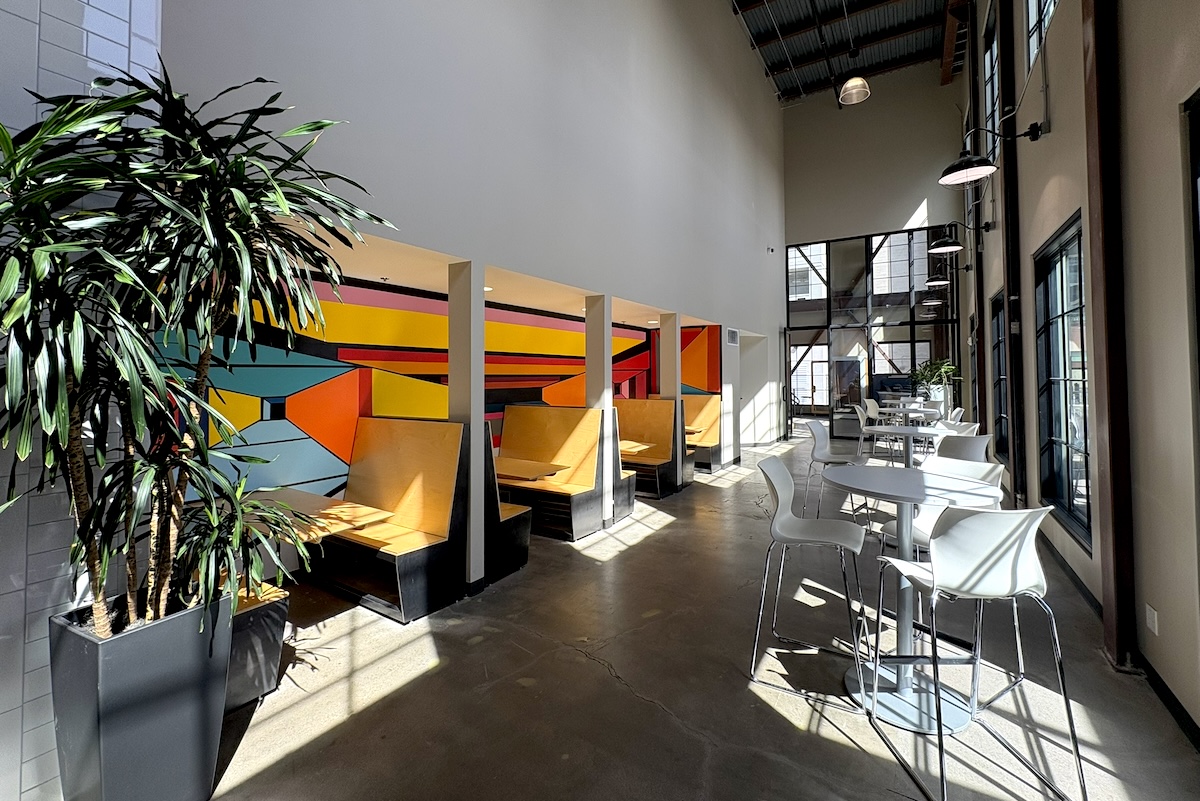
“The city reached out to us before we even submitted permits,” she said. “They asked, ‘What do you need?’”
Instead of navigating siloed departments, Rodriguez described a proactive approach, assistance with construction impacts, introductions to the neighborhood, and a health inspection process focused on education rather than penalties.
“It was about helping you do it right, not trying to catch you doing something wrong,” she said. “It’s very cool and refreshing to be working with a city like that.”
Can Denver Course-Correct

At the heart of the report is a broader question about Denver’s identity and whether it wants to position itself as a place where restaurants can thrive.
“One of the quotes from the report was, ‘I see Denver as a city of ‘no.’ That narrative needs to change, it should be a city of ‘yes.’” Schlegel noted. “It’s not impossible to open a restaurant here, but it’s harder than it’s ever been.”
All the while, there are talented chefs that are opening here in Denver, like Adley.
“I think every city has its pros and cons, and Denver is tremendous,” he shared. “I think it has an amazing dining public.”
On the other hand, according to Rodriguez, if Denver is going to retain the talent and restaurants that put its food scene on the map, it’ll need to show that it’s a place where they are valued.
“We love Denver, we wish that things could change here,” she said. “I’m so happy in Englewood, they want us to be successful, and I think that is the thing that is missing in Denver…All the old school restaurants are closing because there’s a lot of opportunities for new places, but you still need to support the other ones because they are the ones that established the city.”