Dallas doesn’t just mourn restaurants, it mourns eras. Ask longtime diners which shuttered spots they miss most, and the answers come less like recommendations and more like memories pulled from a family photo album: birthday dinners at Southern Kitchen, late nights at Routh Street Cafe, first dates at the Grape, salad-bar pilgrimages to Steak and Ale.
In a recent DiningOut Dallas Facebook thread, more than 100 commenters rattled off the restaurants they still think about years—sometimes decades—after the lights went out. The runaway favorite was the Grape, the Greenville Avenue institution that collected more mentions than any other restaurant in the conversation. For many Dallas diners, it represented something the city increasingly fears it’s losing: neighborhood restaurants with genuine personality and permanence. One commenter summed up an entire vanished stretch of Lower Greenville in a single breath: “The Grape, Humperdinks, Filling Station, Black-eyed Pea, Chili’s—all on Greenville Avenue.”
That corridor loomed large throughout the discussion. Before Dallas became a city obsessed with reservation drops and chef pop-ups, Greenville Avenue was where regulars built routines. Restaurants weren’t just places to eat; they became landmarks in people’s lives. The names commenters brought up repeatedly—Filling Station, Firehouse, Humperdinks—evoke a version of Dallas dining that felt less curated and more communal.
And then there’s Houston’s, or Hillstone, depending on which side of the restaurant identity debate you fall on. Technically, the restaurant still exists. Emotionally, many diners insist it does not. The prime rib’s disappearance appears to have become its own minor civic grievance. “Unfortunately, Hillstone’s no longer serves prime rib,” one commenter lamented, while another insisted the current restaurant is “pretty much the exact same menu.” The exchange captures a truth about restaurant nostalgia: sometimes people aren’t mourning closures so much as subtle changes that made a familiar place feel different.
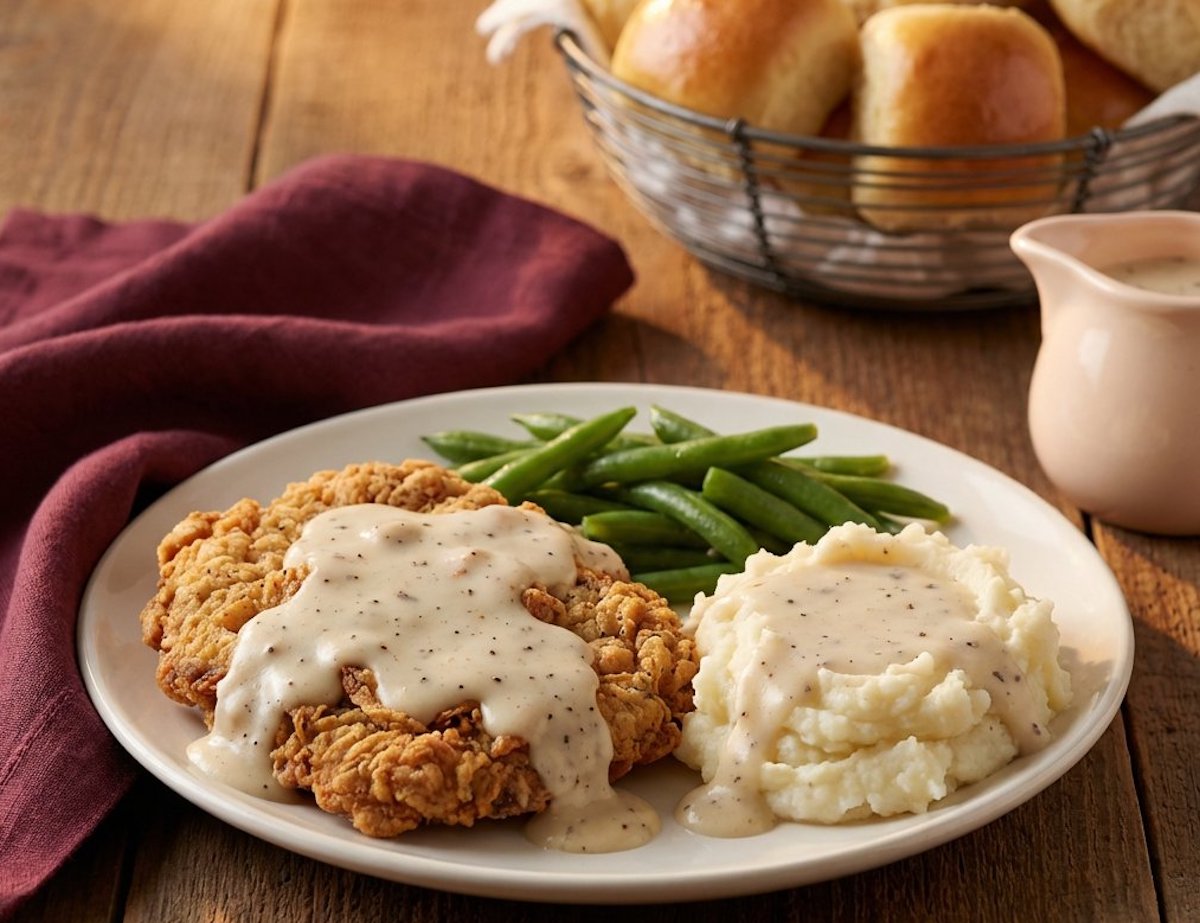
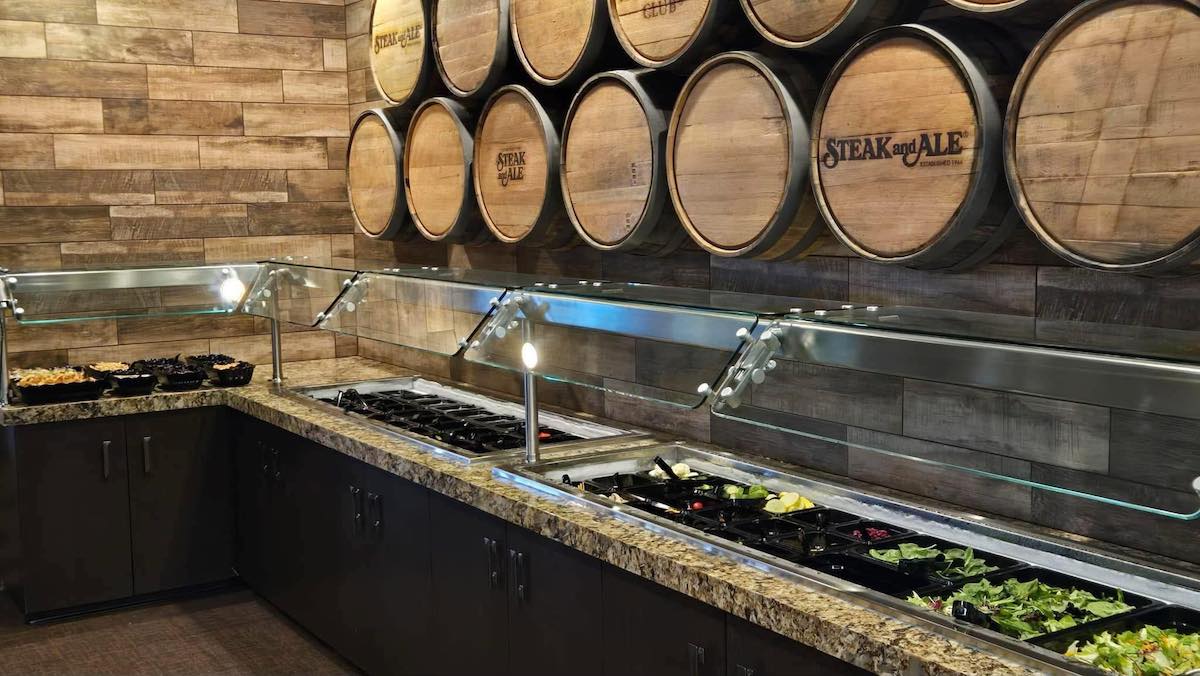
The thread also revealed how deeply Dallas remains attached to its homegrown chains. Steak and Ale, Bennigan’s, Southern Kitchen, Black-eyed Pea—these weren’t glamorous restaurants, but they anchored generations of birthdays, church lunches, Little League celebrations, and suburban date nights. The affection is real, even when it’s tinged with irony. One commenter fondly remembered “the escargot and the ginormous salad bar at Steak and Ale,” which may be the most 1980s Dallas sentence imaginable.
No restaurant inspired more pure nostalgia than Southern Kitchen. For older Dallasites, it clearly occupies sacred territory. One commenter wrote, “omg Southern Kitchen. That takes me baaaaack to family gatherings when I was like 5!” Another recalled visiting the Bachman Lake location in the 1970s, while a former Sysco rep remembered delivering “75 cases of shrimp on one delivery.”
Italian restaurants formed another major category of collective grief. Il Sorrento, Alessio’s, Vincent’s, Angelo’s, Pomodoro/Arcodoro—the list sprawled across decades and neighborhoods. Their disappearance seems to symbolize a broader shift away from old-school Dallas dining rooms: dim lighting, career waiters, tuxedoed service, red sauce, lingering meals. Dallas still has excellent Italian food, but many commenters seemed to miss the formality and familiarity as much as the food itself.
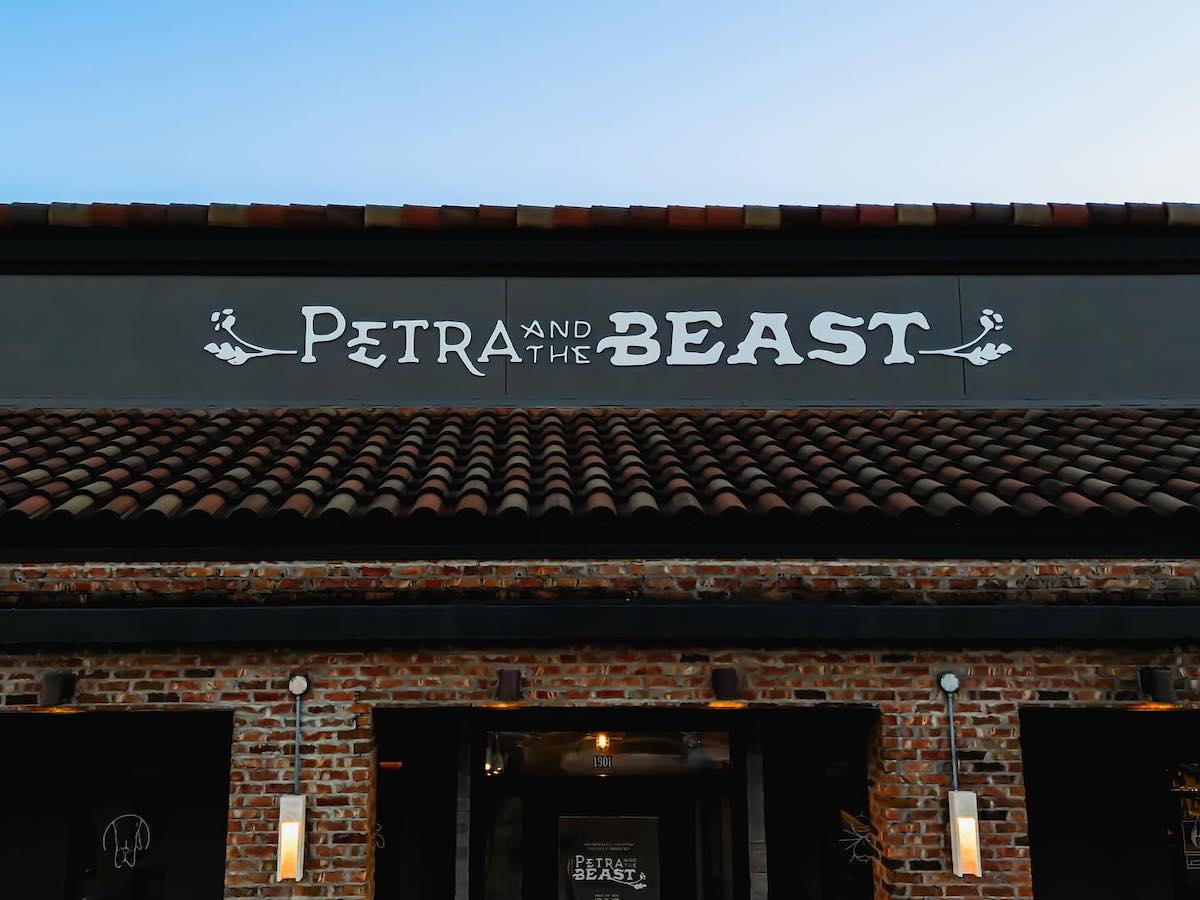
The conversation also exposed a split between two kinds of nostalgia. One belongs to the classic Dallas institutions of the ’70s and ’80s—cafeterias, steak houses, sprawling dining rooms on Restaurant Row. The other belongs to a newer generation, mourning chef-driven restaurants that helped redefine Dallas as a serious food city: York Street, FT33, Petra and the Beast. Their mentions were fewer, but deeply passionate. “Petra and the Beast, York St,” one commenter wrote, reducing an entire era of adventurous Dallas dining into four wistful words.
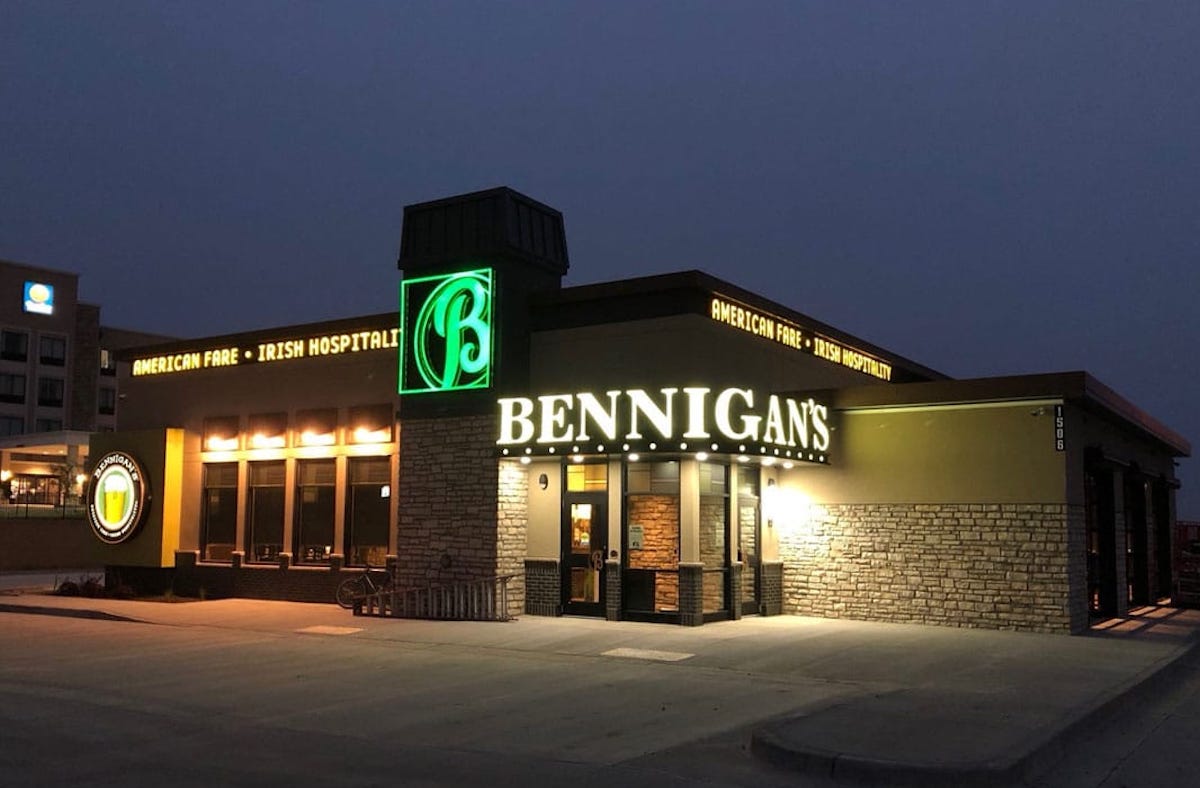
What’s striking is how many people tied these restaurants to personal milestones rather than menu items. Childhood dinners. Work lunches. Industry jobs. First dates. Regular booths. Restaurants become emotional geography; when they disappear, parts of the city disappear with them. And in Dallas, perhaps more than most cities, restaurants often vanish alongside entire neighborhoods and dining districts. Restaurant Row on Walnut Hill—once home to Pelican’s, Bennigan’s, Old San Francisco Steakhouse, and Traildust—now feels almost mythological. Younger diners know it mostly through stories.
That may be why these conversations resonate so strongly. They aren’t really about whether the Grape’s mushroom soup was better than today’s version somewhere else. They’re about whether Dallas still leaves enough room for restaurants to become woven into the identity of a city before development, trends, or economics erase them.
Because people rarely say they miss a closed restaurant simply because the food was good. They miss who they were when they ate there.