The AANHPI food scene in Denver is booming. Asian Americans, native Hawaiians, and Pacific Islanders (AANHPI) make up just 4.3% of Colorado’s population, but their impact on the local dining scene is outsized, and it continues to grow.
In 2025, a busy year for Denver restaurants, over 15 Asian restaurants opened in and near the city, including Pho Social, Kizaki, Ma’s Kitchen, and Hong Kong Station 3. In July, Pig & Tiger came south to Five Points with dark, moody interiors, Taiwanese cocktails, and upscale, shareable comfort fare. In December, Nina Zhang’s Noodles By Nina (ne Magic Noodle House) debuted in Uptown with hand-pulled noodles and Lanzhou noodle soup.
In the second half of this year, the lauded restaurant MAKfam will expand from Baker, opening a larger 2,800-square-foot location in RiNo. This month, chef Mary Nguyen opens the fifth iteration of her fast-casual concept Olive & Finch, this time in the Golden Triangle neighborhood.
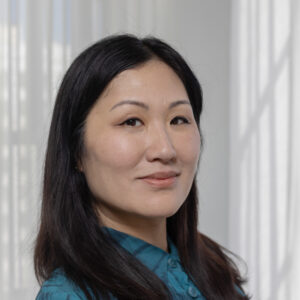
“Over the past year, there’s been a noticeable acceleration in Denver AANHPI restaurant culture,” said Nguyen, who’s also the chairwoman of the Asian Chamber Foundation of Colorado. “New restaurants are opening with confidence. Chefs are telling personal stories through tasting menus. Owners are investing in thoughtful interiors and curated beverage programs. Diners are more curious and more educated. They want to know where dishes come from, what region they represent, and who is behind them.”
What Makes the Denver AANHPI Scene Thrive
Denver has the most exciting Asian-American restaurant scene in America right now, and the chefs and owners are often homegrown. Mary Nguyen herself is a Colorado native; and so is Tommy Lee, who brought the city the staples Uncle and Hop Alley over 10 years ago; and Penelope Wong, who launched Yuan Wonton to plenty of acclaim.
Between the impressive roster of chefs, ample commercial real estate, the growth of the population, and a hungry, deep-pocketed, cosmopolitan diners eager to learn about AANHPI food, the AANHPI scene here just gets better and better.
How the Asian Food Scene Has Shifted
In the first wave of Denver AANHPI restaurants, immigrants operated restaurants like The Lotus Room and Ricksha Boy, while the second wave offered fusion or pan-Asian restaurants. Now, the third wave of Denver AANHPI restaurants is surpassing survival and adaptation with personal, chef-driven restaurants.
According to Nguyen, even three-to-five years ago, the city’s AANHPI dining landscape was still largely defined by broad “Asian” or pan-Asian restaurants that served Chinese, Thai, and Japanese under one roof.
“Those restaurants played an important role and introduced diners to flavors that may have felt unfamiliar at the time, but they were often built around accessibility and adaptation rather than deep regional specificity,” she said.
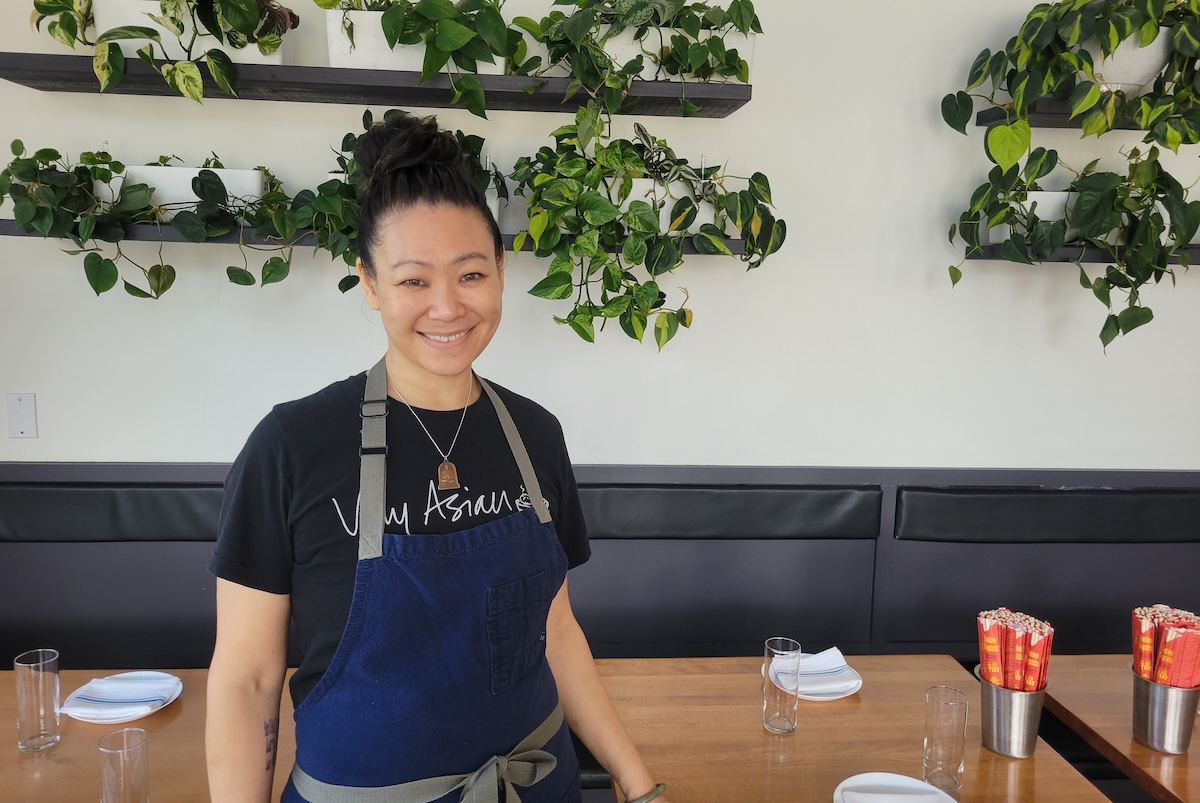
Over at Yuan Wonton, chef Wong has witnessed this cultural shift during her culinary career as well.
“It was a struggle when I started cooking professionally, because as much as I wanted to cook the traditional dishes from my childhood, I also had to introduce them in a way that would make them more familiar to my primarily white audience in order for them to be receptive to the dishes,” she said. “This next generation of AAPI chefs are introducing menu items that are foundational to traditional dishes, but no longer restricted by limitations of having to ‘Americanize’ it for familiarity. I love seeing the creativity being unleashed.”
Wong is now able to step away from mainstreaming her cuisine, to authentically authoring her own personal history through each plate. A lot of the menu takes influences from her heritage and the North Denver Cantonese restaurant her parents owned for 25 years, as well as travel.
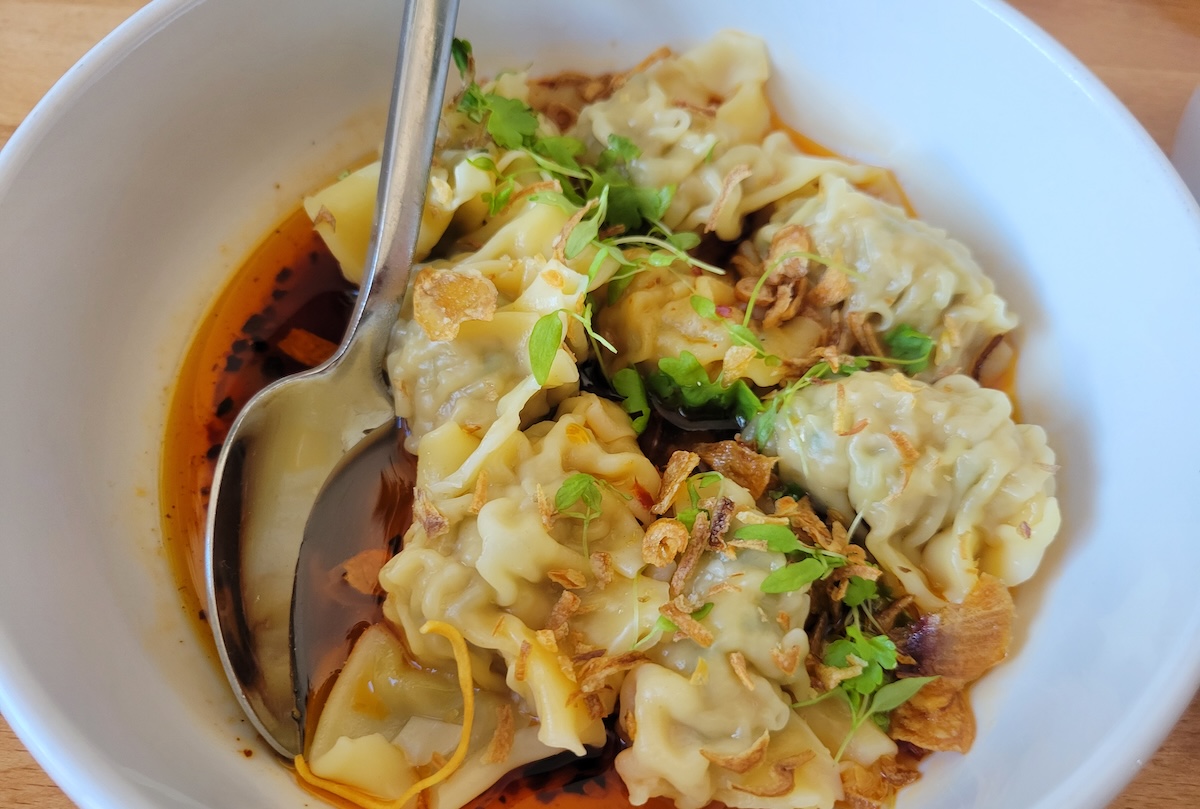
With sous chef NgocAnh Nguyen at her side, Wong churns out spicy peanut sauce wontons that reflect her Thai-Chinese-American heritage. The dish may seem traditional due to the pork and chives inside, but the wontons are actually a riff on Shanghai-style wontons with a slightly thicker dough than Hong Kong style. Drenched in NgocAnh’s peanut sauce, a plate of these wontons brings Wong back to her parents’ Thai potlucks, which were a way for her family to bring together others of a shared culture.
Stepping Back in Time: Denver’s AANHPI History
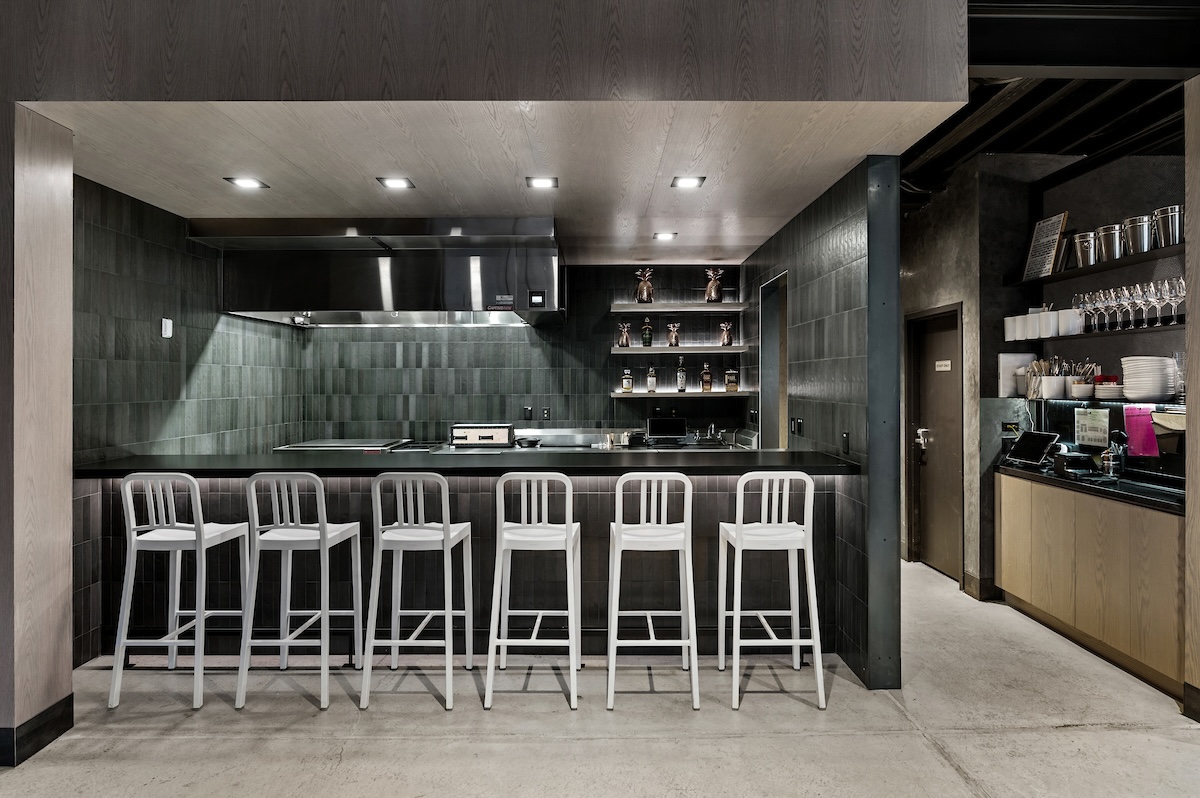
This is a crucial moment for both Denver’s AANHPI restaurants and history in general. Denver once was home to the largest Chinatown in the Rockies, nicknamed Hop Alley and located between Blake and Wazee Streets, and 15th to 17th Streets. A recent History Colorado exhibit called, Where is Denver’s Chinatown? Stories Remembered, Reclaimed, Reimagined, detailed how it was decimated in 1880 by an anti-Chinese riot. Now, the area is being remembered and reclaimed, including new markers. And yes, if the name Hop Alley sounds familiar, it’s the what Tommy Lee named his RiNo restaurant after.
Coming this far for AANHPI chef-owners has been no small feat. It’s not just bad reviews about MSG, after all. Colorado’s history of Chinatown riots and Japanese internment at Amache live in the memory of many Asian Americans.
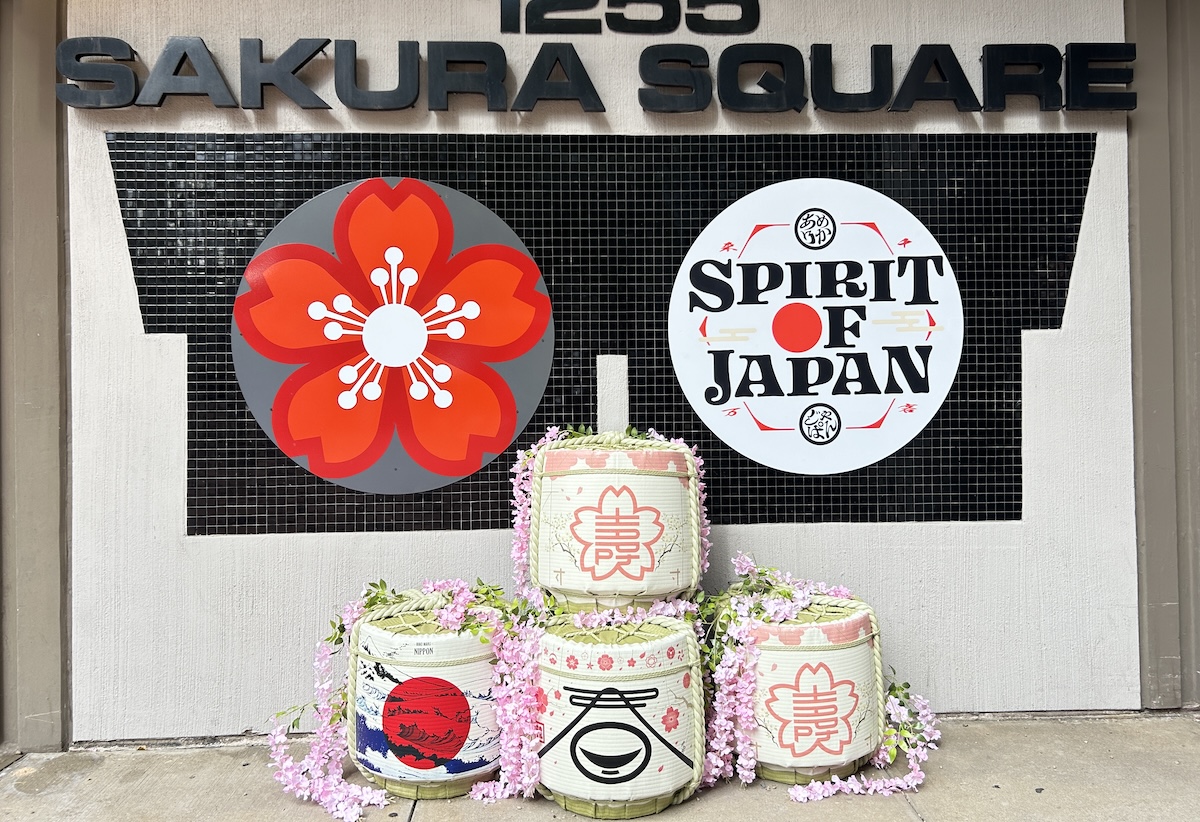
Colorado Asian Pacific United (CAPU) has raised AANHPI voices in Denver murals and historical markers in Chinatown, anti-displacement storytelling and documentary work in Little Saigon, and the development of a school curriculum highlighting the contributions of the Chinese community to Colorado. The colorful Fire Station 4 mural across from Sakura Square commemorates the grave marker of Look Young, who was lynched in the 1880 riots.
The pandemic’s anti-Asian hate and the current ICE abductions spread trauma and fear. But that hasn’t stopped local chefs from reclaiming their space and reimagining the city’s Asian-American culinary scene.
The Third-Wave of Asian-American Restaurants

The third wave owners range from those who learned on the job to chefs who attended culinary school and worked in prestigious restaurants. Chef Kenneth Wan of MAKfam is one of those classically trained chefs. A graduate of the French Culinary Institute, he grew up in his parents’ restaurant and later worked at RedFarm, Momofuku Ssäm Bar, Xi’an Famous Foods, and The Lucky Bee in New York.
Once he moved to Denver in 2019, he co-opened Meta Asian Kitchen in Denver’s Avanti Food and Beverage with his wife, Doris Yuen. The couple left in 2023 to open MAKfam, their first brick-and-mortar in the Baker neighborhood.
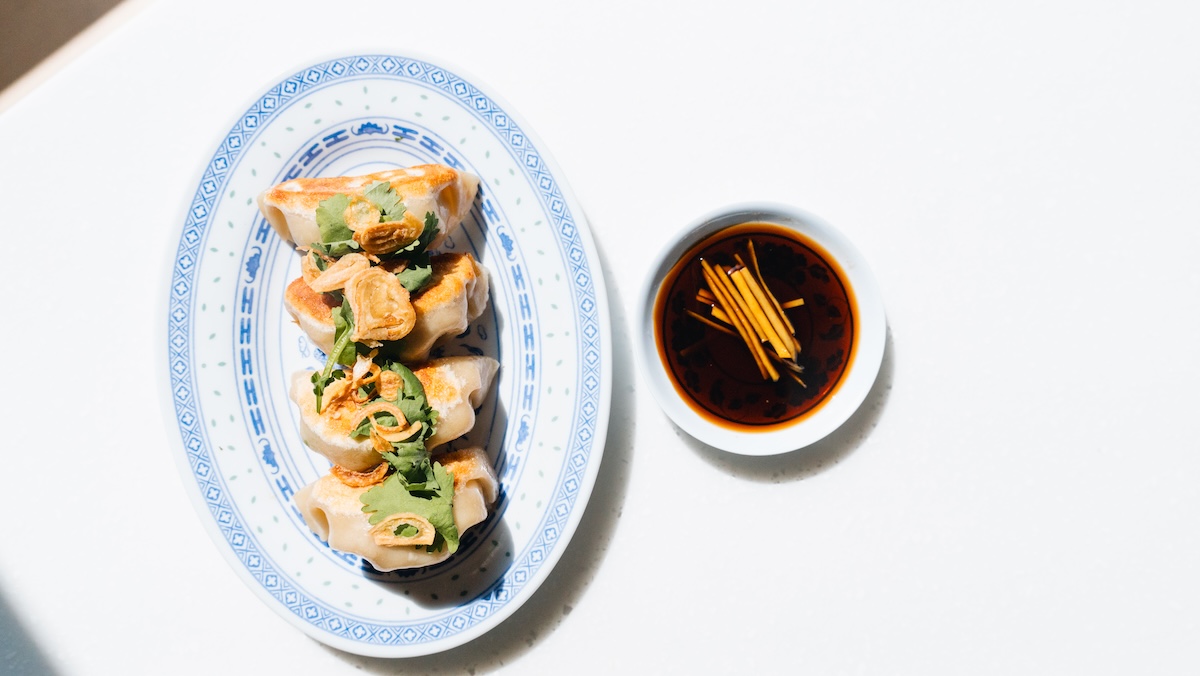
On MAKfam’s site, an entire section declares, “We are a pro-MSG restaurant.” It goes on to explain the history of the race-based stigma against Chinese restaurants, while MSG-laden products like Doritos remain innocent in the public eye.
While the menu doesn’t shy away from MSG, Wan’s real mission, he said, is to share the foods he equally adored eating such as General Tso’s, caesar salad, chicken tenders, and intestines with cilantro. It’s modern takes, with American twists, and a lot of Chinese heart.
“Our food says, ‘Hey, look, this is Chinese and delicious, but it’s not orange chicken or beef and broccoli, it’s something else, and that’s good,’” said the chef.
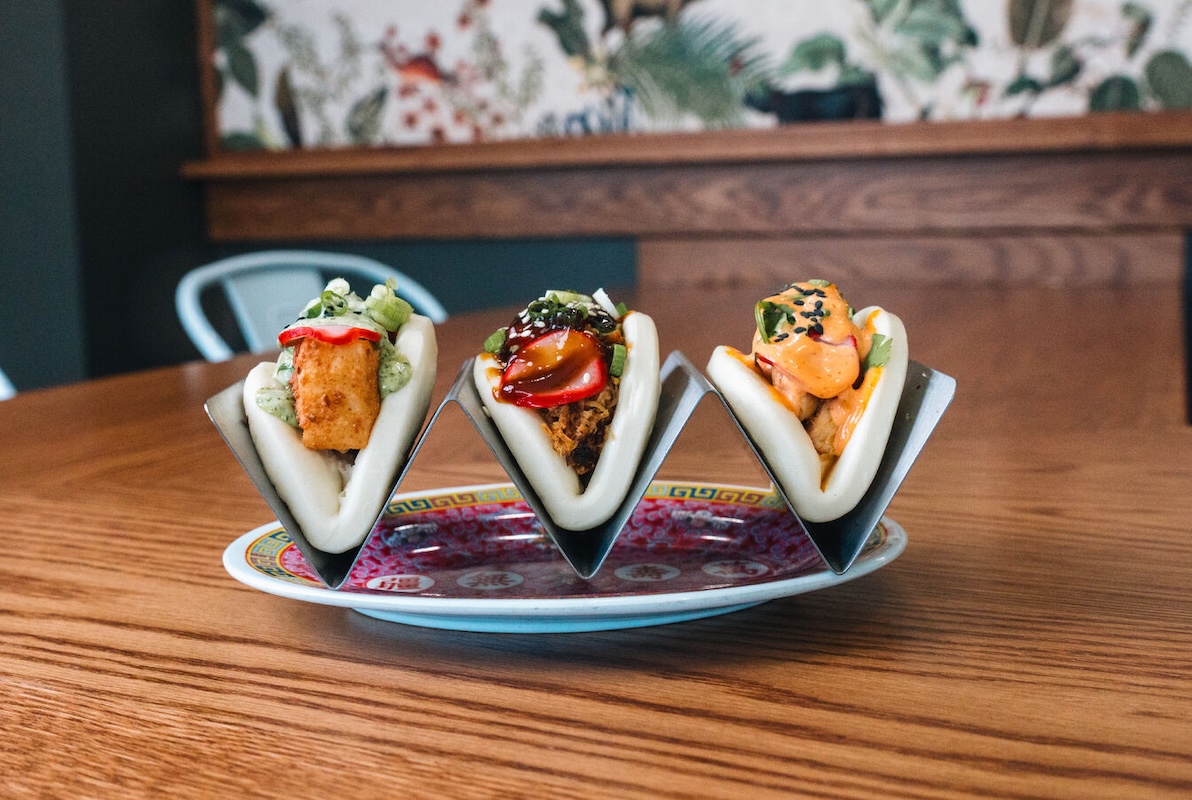
One of MAKfam’s signature dishes comes from a Chinese-American meal his mother would make him in childhood. “I had to call her to come and teach me to recreate [the] braised pork ribs in Coca Cola, brown sugar, and hoisin,” Wan said. He translated that dish into shredded pork belly bao with hoisin, pickled radish, sesame, and scallion.
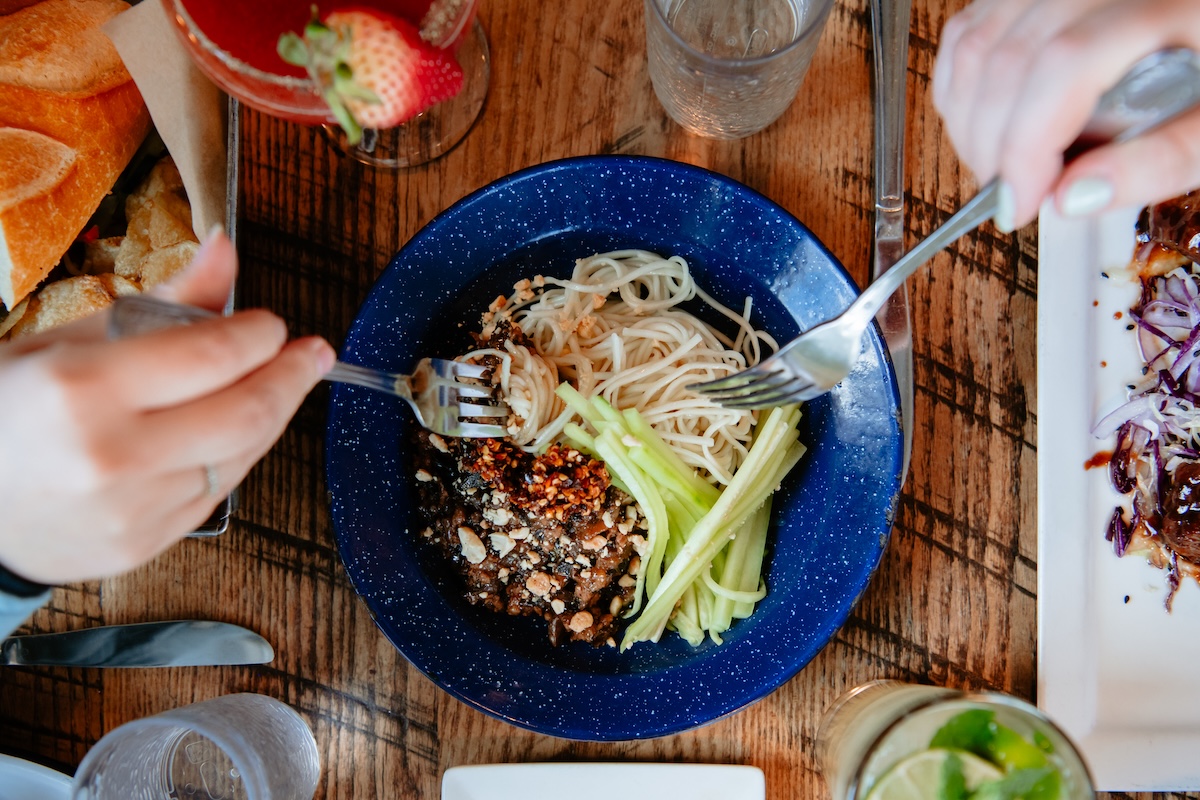
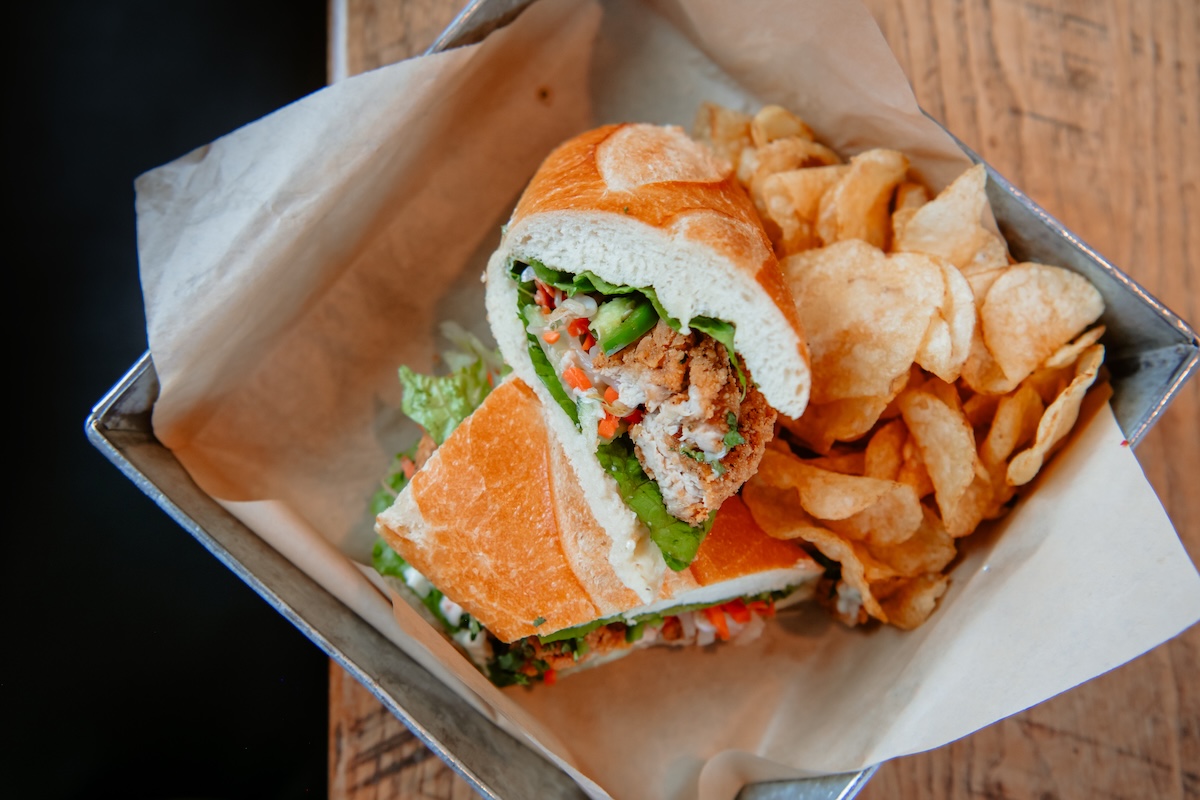
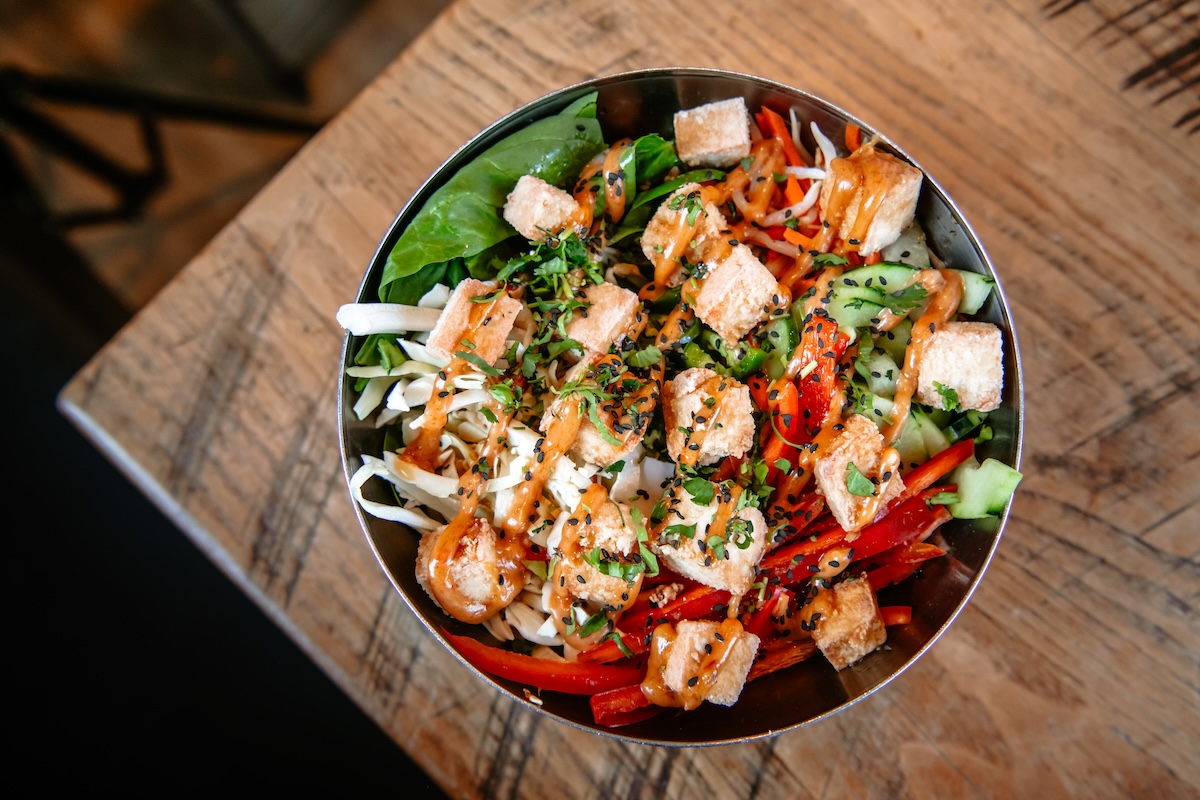
Back at Olive & Finch, Nguyen casually adds dishes like dan dan noodles with spicy pork or crispy tofu, Thai red curry with salmon or tofu steak and roasted fennel, a banh mi and a gochujang-glazed crispy chicken sandwich to the menu. These additions to the global comfort menu help bring Asian foods and flavors into the mainstream American diet.
Adding Politics to the Menu
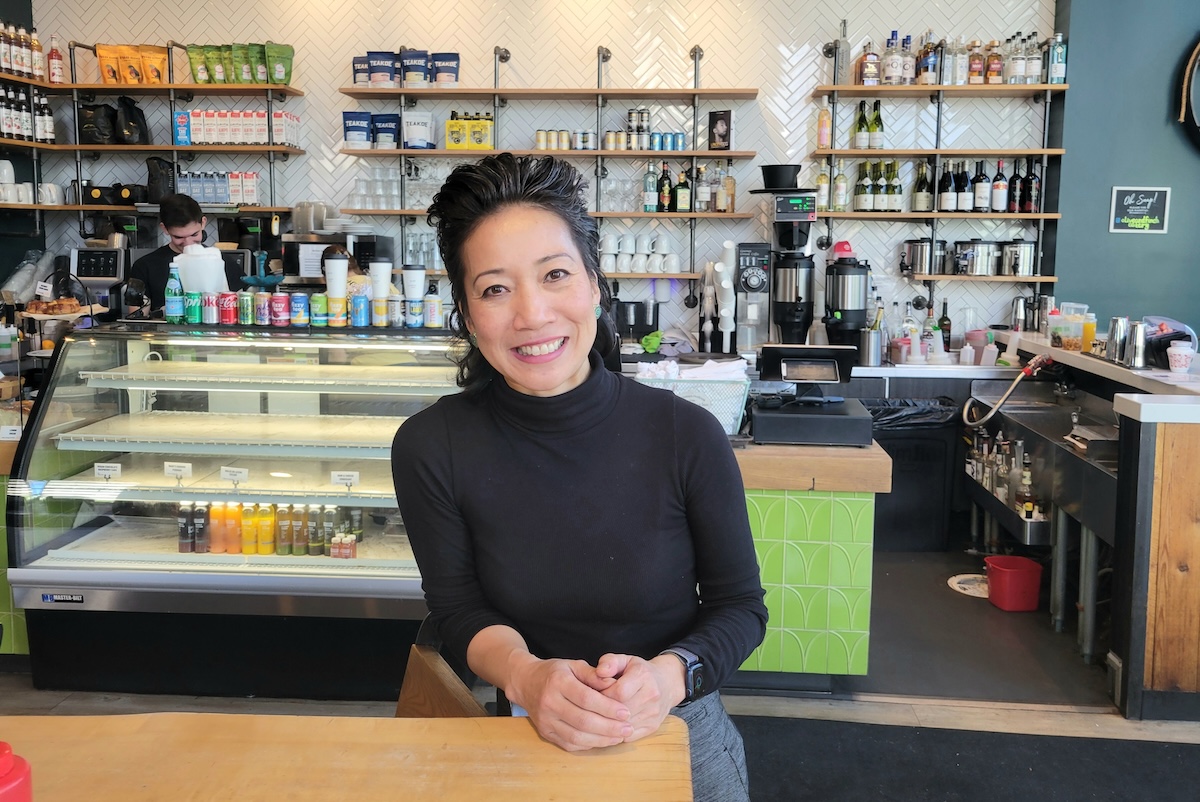
To chef Ni Nguyen (no relation to Mary Nguyen of Olive & Finch), co-owner of popular East Colfax restaurant sắp sửa, this rise in dining at AANHPI restaurants is related not only to culinary preferences, but also how these restaurants position themselves. Ni sees the hospitality industry as inherently political and important to AANHPI advocacy and activism, and recently hosted a Valentine’s Day event giving away food to families affected by ICE actions.
“People here are spending because culinary culture is important to them, and they pick restaurants that align with their values,” Ni said. “Chefs play this role of offering service and hospitality, which means caring for others.”
For him that means fighting fascism and having the courage to speak out when necessary. As a person with a platform, he explained, he feels the need to stand up for his community.
“Asian-Americans are the second most at risk population for being detained unlawfully, thrown into detention camps and deported,” the chef added. “I’m scared just like everybody else, but being quiet while you’re scared is worse than death.”
Imbued with that dedication to community and a sense of fearlessness for translating one’s culture and family history through a personal and experimental lens, this third wave of Denver AANHPI chefs portray an authenticity not just to cuisine, but to story and self.
Progress, Accolaids, and Inspiring the Next Generation
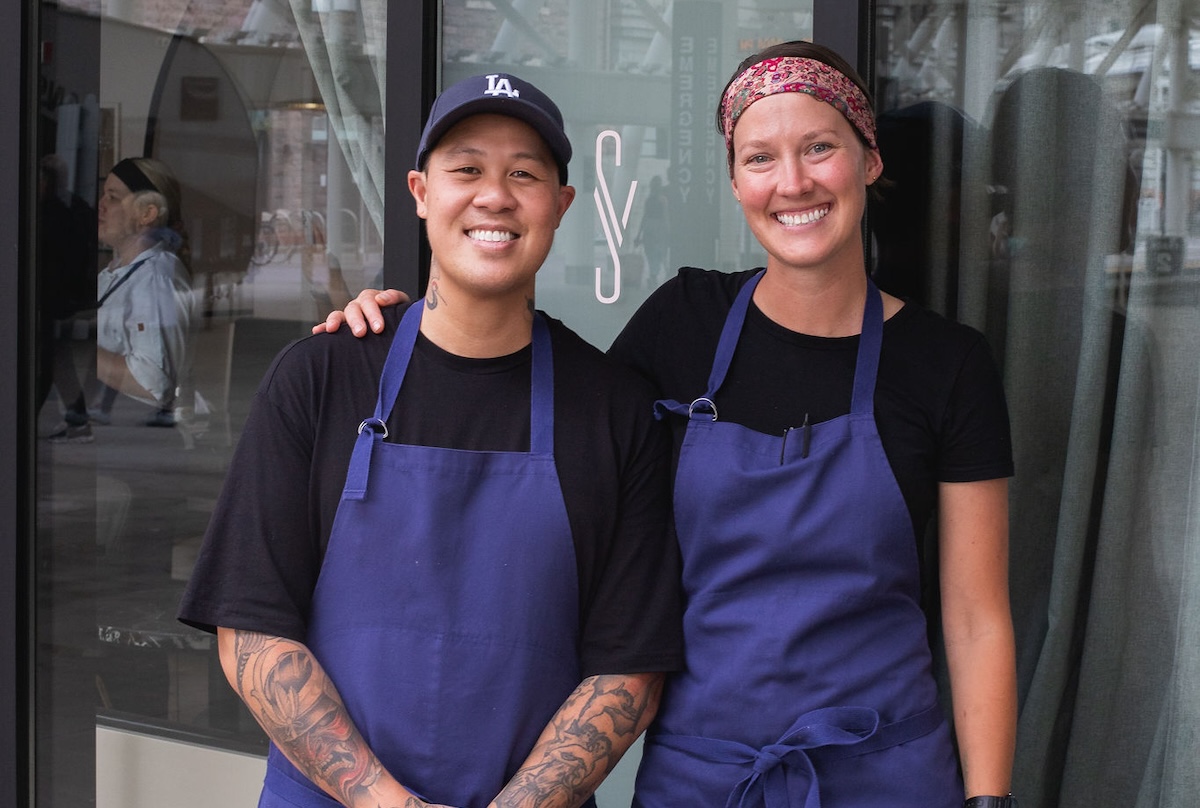
This personal approach of authorship has reaped Denver’s high caliber AANHPI chefs national attention, with 2025 and 2026 acting as standout years. Sắp sửa’s Ni Nguyen was named to the James Beard Foundation’s TasteTwenty list of rising chefs last year. Wan and Yuen’s MAKfam is a Michelin Guide Bib Gourmand-recognized establishment. Colorado-born Wong has been nominated numerous times by the James Beard Foundation, and this year is a finalist for Best Chef: Mountain. Tommy Lee also got a James Beard nod as a semifinalist for Outstanding Restaurateur.
“Chefs being awarded on a national level is a sign that Colorado is starting to be on the map in terms of cultural production,” Joie Ha, executive director at Colorado Asian Pacific United (CAPU) and a Colorado born-and-raised resident, said. “With more recognition, we’re able to really show that we have a voice in this narrative about Asian America.”
Ni said for him, being nominated and/or winning awards means the most in giving representation to AANHPI kids. So does being celebrated by an entire dining room eating his fermented shrimp paste dishes. It’s healing for his psyche, he explained, since as a kid, when he brought these dishes to school he got teased or mocked for them.
“The leg work of every chef who came before us, all of their hard work opened the doors for chefs like myself, and it’s our responsibility to participate in these institutions and try to get these awards,” said the chef. “When you see someone that looks like you in this position of fame and power, commanding the room, it inspires. That puts them on a path toward their dream with every step that they take.”
Not Your Grandma’s Eggs, But Still Authentic
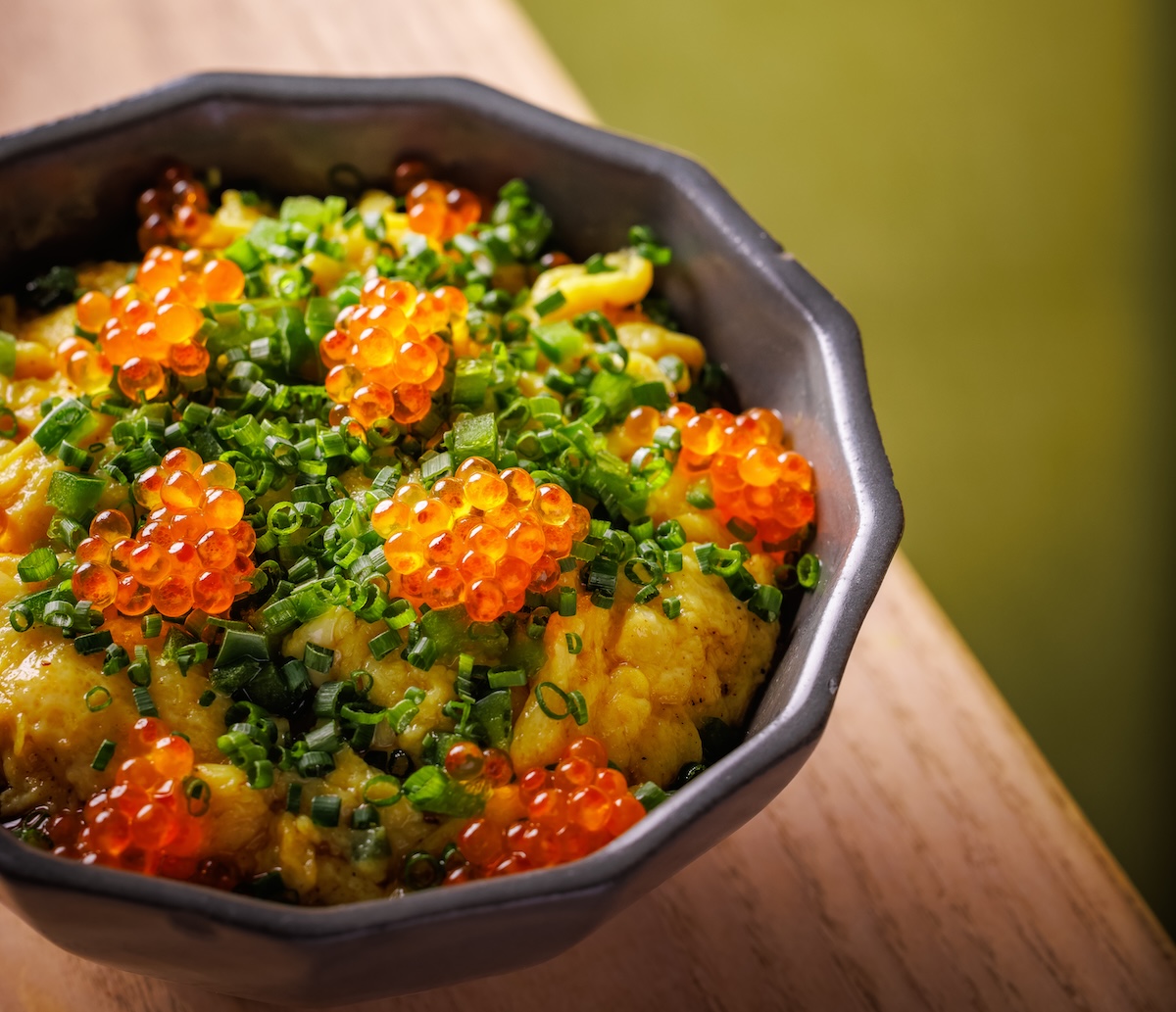
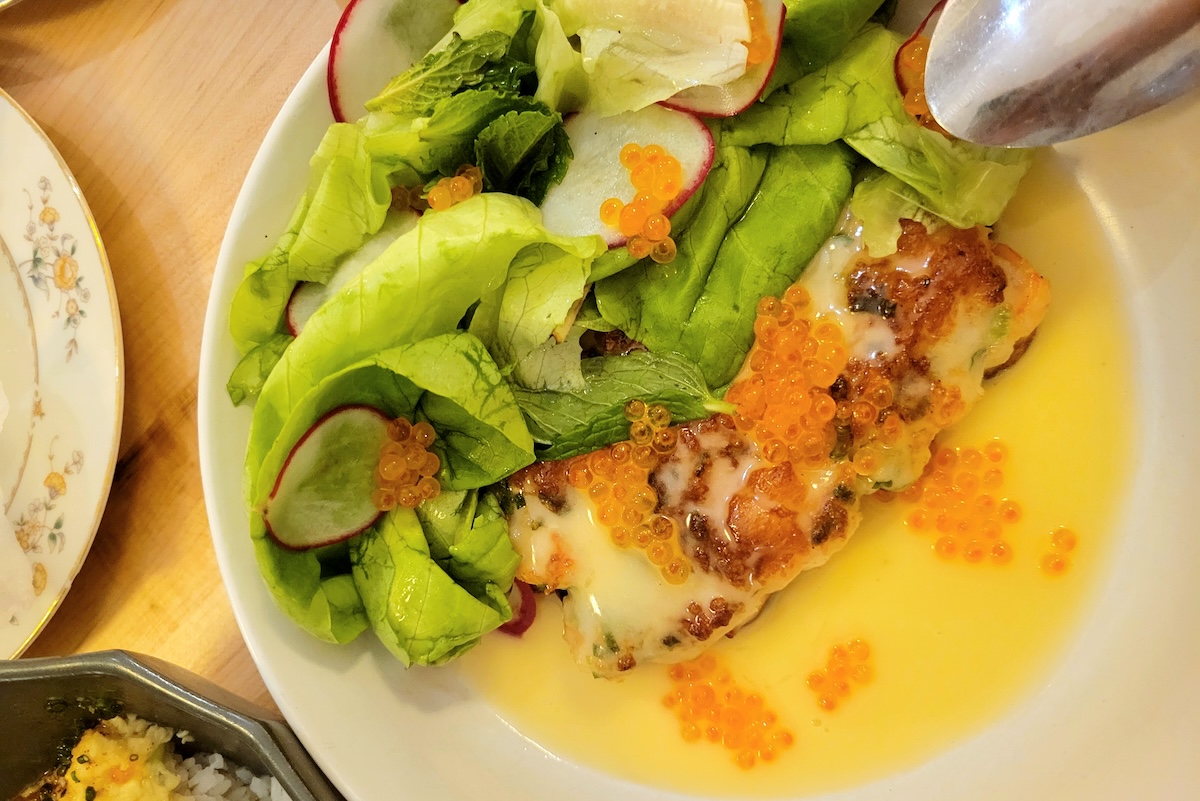
Like Penelope Wong, Ni adds twists and nods to the dishes his mom and dad used to make. For example, Trứng và Trứng, a soft-scrambled egg with brown butter rice, fish sauce and trout roe. Growing up in Orange County, California, he would quickly scarf down his mom’s Vietnamese scrambled egg baguette sandwich in the back of the bus so no one could see what he was eating. Creating the trứng và trứng brought him back to that bus, and it remains one of the most talked-about dishes on the sắp sửa menu.
“This dish says a lot about our restaurant,” Ni said. “It’s a humble dish, but you make it in a way that resonates with diners because it’s rooted in memory and meaning.”
Not everyone’s a fan. Ni said amongst the buzz an occasional Yelp review or comment claims the food has been “whitewashed.” But for Ni, he shrugs it off as uneducated regarding what he does, who he is, and how he grew up.
“I wasn’t born in Vietnam, I was born in Orange County and grew up in America and had American experiences, so why is it that when we put food on the table and it’s not traditional, people freak out,” he shared. “I’m honoring my voice in the Vietnamese diaspora, and not just the culture as a whole, but also who I am as a chef.”
Close in Culture and Proximity
Through their struggles, this third wave of AANHPI chefs remains a tight-knit support network. The accessibility also helps to keep them physically close.
“I can go from MAKfam to Yuan Wonton and nothing is further than 15 minutes,” Ni added. As the scene sprawls beyond Denver to Aurora, Boulder, and even further, the food diversifies even more.
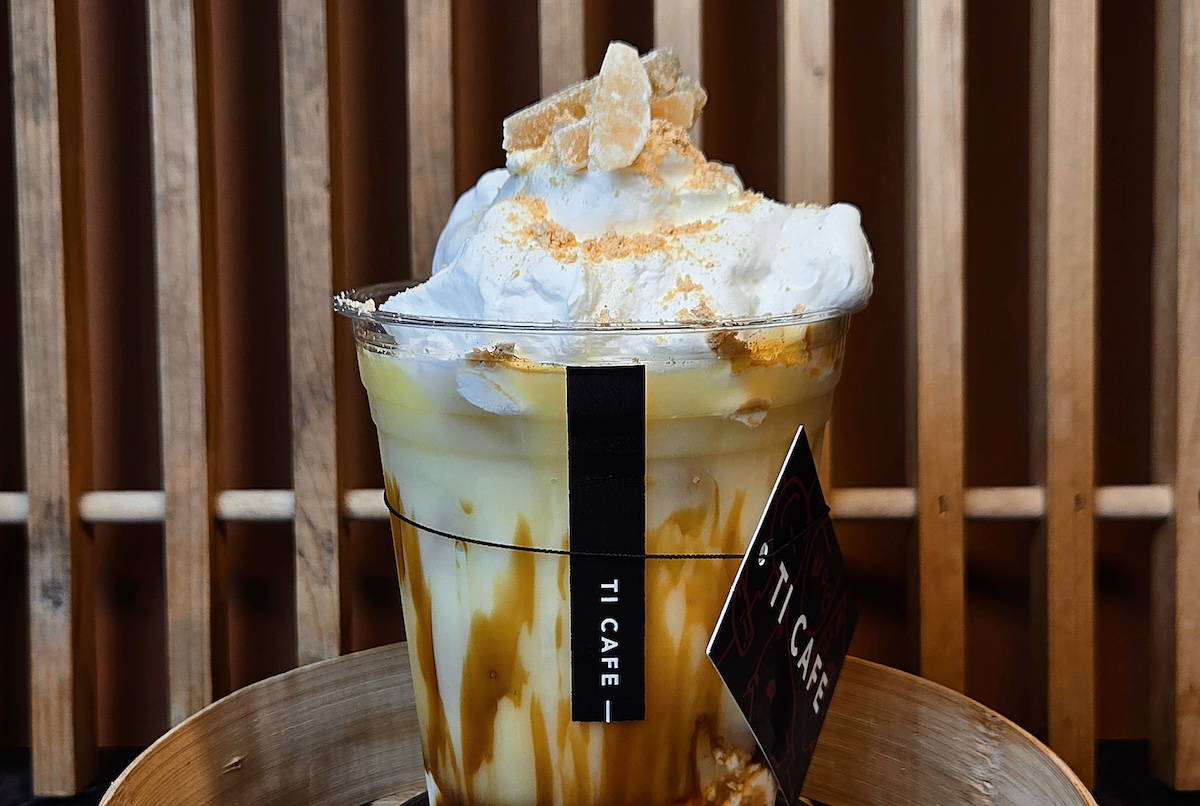
For example, start your morning at Ti Café with a grassy pandan latte or a Vietnamese egg coffee topped with a foam cloud of whipped egg yolk and condensed milk. Next, head to Federal Avenue for pho. For a xiao long bao and siu mai craving, Lan’s Noodle and Dumplings, or for boiled fish in Sichuan chili oil, go to Noodles Express (which unfortunately will close at the end of May when the building gets demolished).
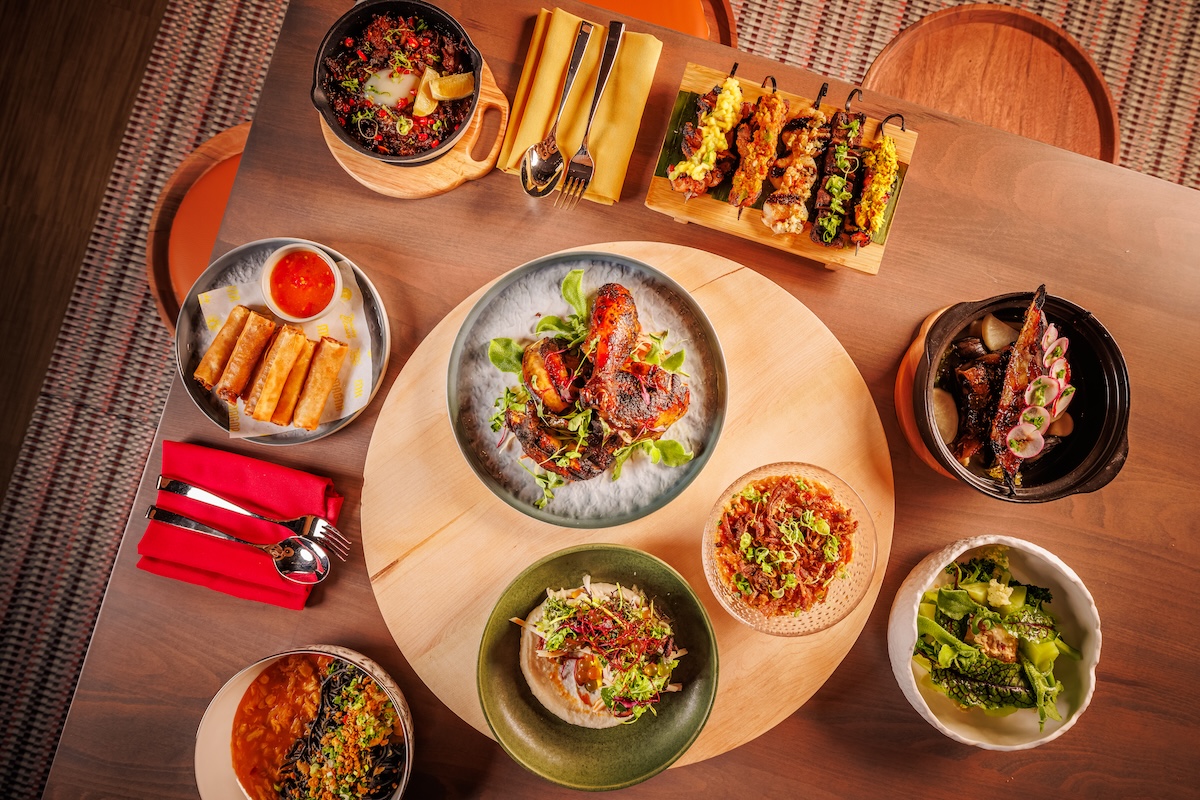
For a taste of Hong Kong, MAKfam’s Mala Mozzarella Sticks with Thai basil ranch dipping sauce, Corned Beef Fried Rice, and Tofu Tomato Jian Bing hit the spot. Have an afternoon snack of tuna and crispy shrimp kimbap at BaekGa in the Lowry Town Center. Then, dinner at Magna Kainan in RiNo, a Filipino-American restaurant with inventive cocktails.
The next day, fit in a hike to work up an appetite and then head for Chinese dim sum at Star Kitchen or The Empress Seafood Restaurant. In Aurora, feast on Polynesian and Hawaiian dishes like loco moco, ahi tuna poke, hurricane fries, kalua pig, and pulehu steak at No Ke Aloha or try Jangmyeon at Paik’s Noodle. For dinner, book a seat at Ukiyo in LoDo. The 18-course, experimental tasting menu explores the chef’s Laotian heritage while mixing it with a traditional Japanese omakase.
Mile High Asian Food Week

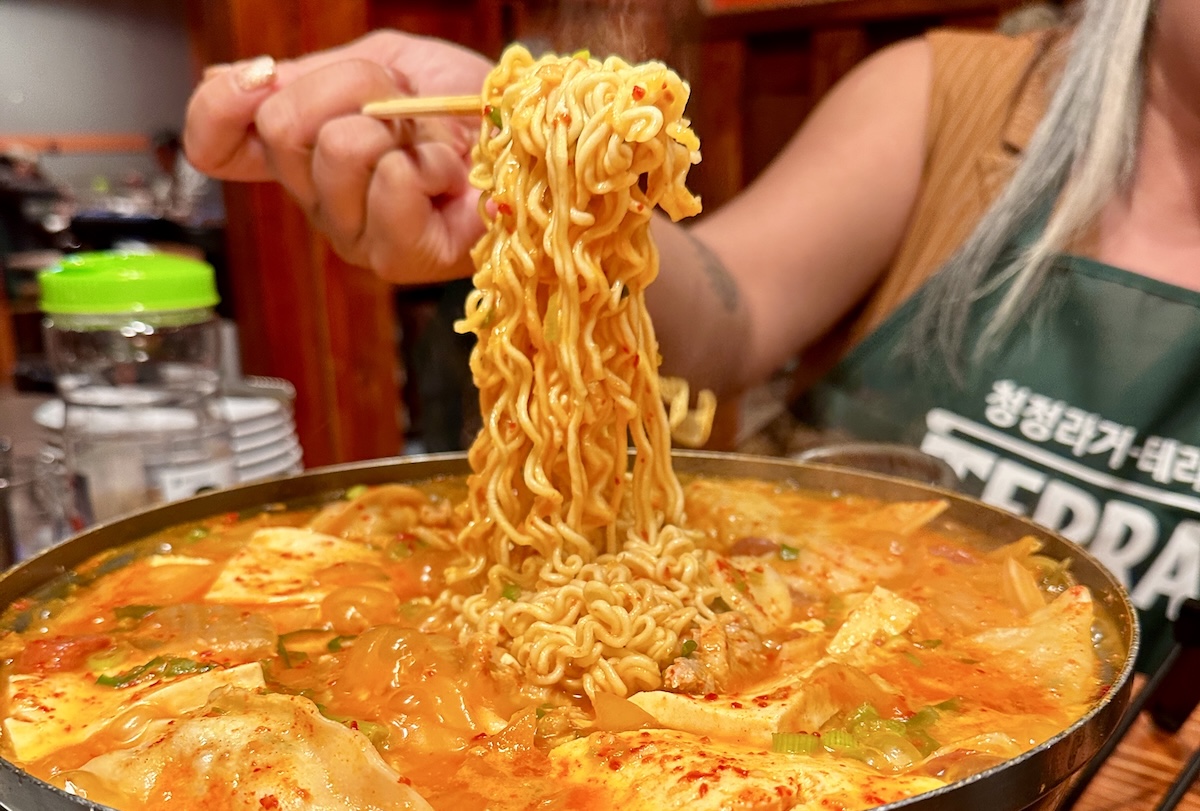
Another sign of Denver’s love for and the growth of Asian food in the city comes thanks to the Mile High Asian Food Week (MHAFW), running April 26 to May 3. The event features over 65 vendors, including many pop-ups lacking a physical location. The AANHPI restaurant week was founded in 2022, and now, in its fourth year, has expanded even more.
The festival gathers the best AAPI restaurants under one umbrella, directing diners to head to restaurants featuring exclusive secret menus and discounts, with 10% of all vendor fees and sponsorships for MHAFW supporting Colorado Asian Culture & Education Network (CACEN)’s mission to elevate AANHPI communities and address inequities through cultural exchange and education.
“The stories we’ve heard from participating chefs tell us we’re succeeding,” Joanne Liu, founder of the festival, said. “Some have shared that Mile High Asian Food Week provided a vital sense of community during times when they might otherwise have felt isolated. Others have valued the opportunity to celebrate the diverse culinary traditions within the AAPI community. And of course, it’s always wonderful to hear that the week brought increased sales and lines out the door.”
According to Masaru Torito, owner at participating restaurant Kokoro, celebrating its 40th anniversary this year, MHAFW brought 369 orders leading to $12,000 in sales and $6,000 in positive impact in margins.
“The entire Denver food scene for AAPI chefs is about to explode,” said Ni, adding sắp sửa will be participating in the event. “It’s about to be crazy. You’re going to see AAPI chefs with Michelin stars, even more James Beard Awards. The chefs in the past opened the doors for us. I cannot wait to see the chefs who bust through the door.”
