With the new year comes fresh opportunities to expand horizons and dabble in food and beverage categories previously under-explored. Saké continues to grow in popularity with an expanding array of imports available yearly. Could saké be a contender for your preferred beverage in 2024?
Saké is a delicious beverage made from fermented rice and called nihonshu in Japan. The foundation of excellent saké is quality rice, pure water, koji (mold), yeast, and, according to most brewers, craftsmanship.
The process of brewing saké in Japan has been refined over centuries. Like many things in Japanese culture, saké enjoyment is steeped in tradition. A person could spend a lifetime studying and discovering the nuances of saké, and some do!
For many, saké brings to mind the piping hot, sometimes flavored version known for vicious headaches and other unpleasant aftereffects, or it’s a daunting beverage list evaluated on pricing and little else.
Prepare to graduate from saké novice to being informed enough to make selections – and possibly even inspired to learn more about this beautiful beverage. Here are a few essential pieces of knowledge to guide your next occasion involving saké, plus a peek at a few of Denver’s best establishments for experiencing premium saké.
Premium Saké Versus All The Rest
If you’ve experienced the unforgiving aftermath of a night of “saké bombs” served by the shot and dropped into pints of Saporro, you’re not alone. Over 70% of total saké production is not premium. This vast segment of the category is often dispensed from a large heated vat and offered inexpensively at most any sushi restaurant (see Table Saké – Futsu) below. The headaches are unforgettable, and the quality is comparable to a bottom-shelf wine in a 1.5-liter bottle. That saké is made of rice like that wine is made from grapes – but if you’ve tried those wines versus a quality bottle, you appreciate the difference.
The upper echelon of saké is divided into sub-categories or grades to inform consumers of the production and quality inside the bottle. Here, we find many words that may be familiar as you peruse the selections on a restaurant menu.
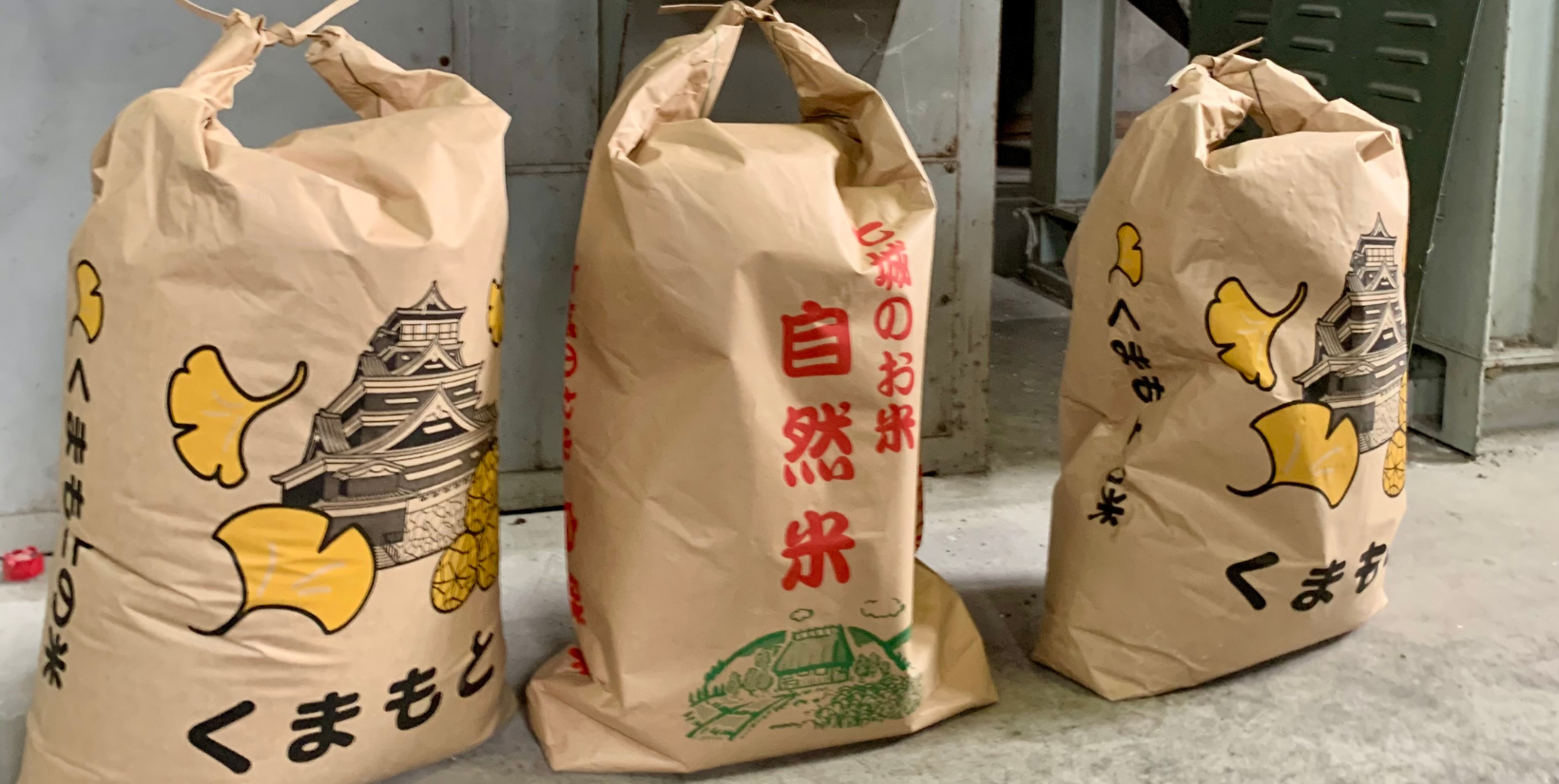
Understanding these categories is simpler when you have a high-level sense of how saké is produced. Although saké is sometimes called “rice wine,” it’s brewed more similarly to beer. The rice used differs from the white or brown rice we enjoy eating. A grain of saké rice is larger, and the anatomy is different.
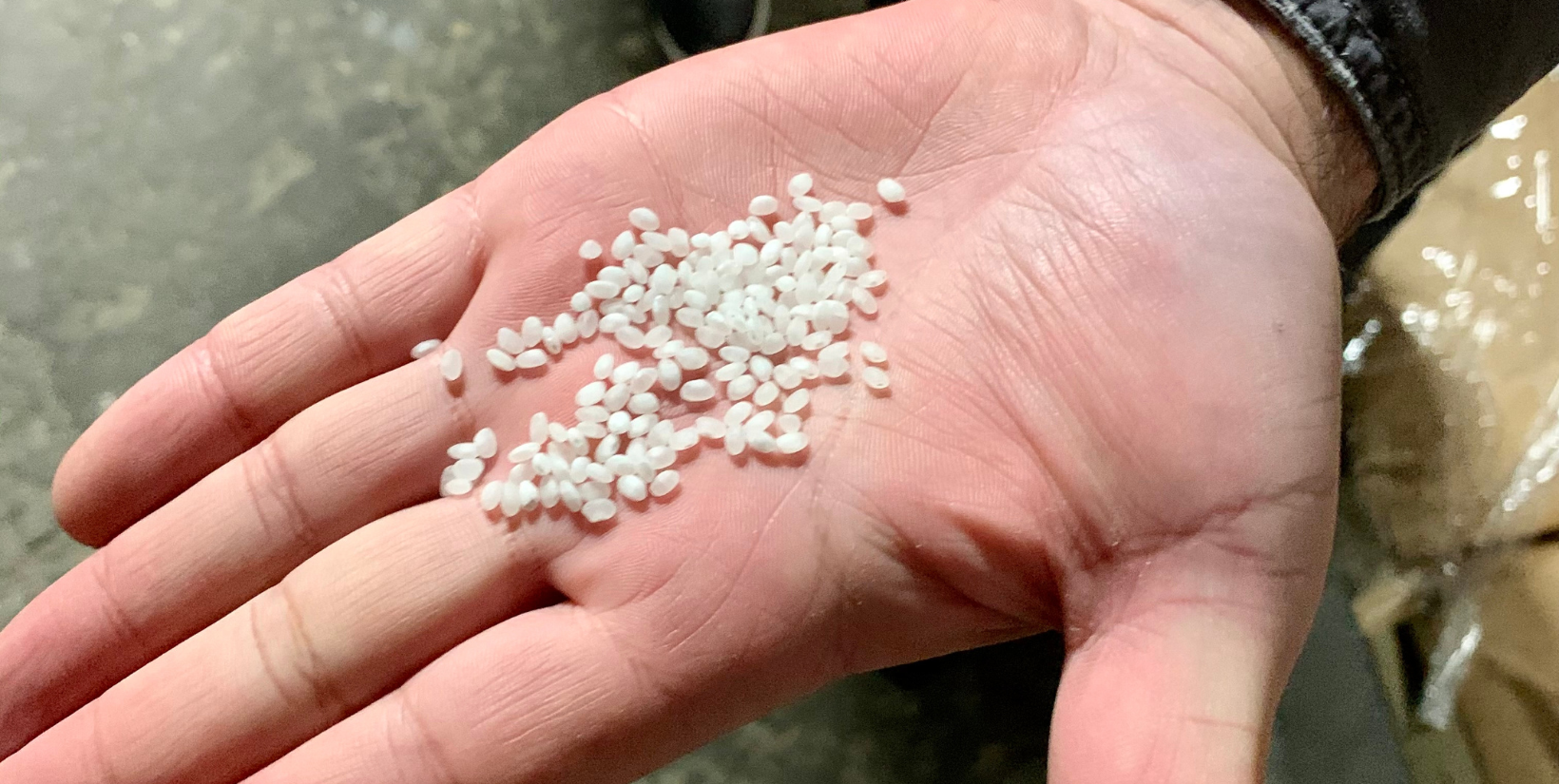
Picture a grain of saké rice like an egg, except the softer part is on the inside rather than the outside. The outermost layer, or shell, is the husk. Beneath the husk, envision the egg white. This layer consists mainly of proteins and fats. During the milling process, this layer is polished away. Deep in the center, like the yolk of an egg, is the rich, hard, starchy epicenter. The more the rice is polished, the easier it is to access this crucial core and the fewer bitter and unpleasant flavors we experience on the palate.
Popular Styles of Premium Saké
Junmai
In terms of saké menu navigation, Junmai is a term to understand. All premium saké is crafted from rice, koji (mold), water, and yeast. Junmai saké is made using only these ingredients. Non-Junmai premium saké uses these four, plus the addition of distilled alcohol. Styles incorporating distilled alcohol include Daiginjo, Ginjo, Honjozo, and table saké, known as Futsu. Saké made with this inclusion is not inferior, only different. The distilled alcohol is not necessarily added to increase the alcohol content; instead, when used judiciously, it enhances the delicate flavors and aromas of the saké. Junmai may be a stand-alone designation or be labeled Junmai Daiginjo or Junmai Ginjo.
Table Saké (Futsu): This category represents approximately two-thirds of the overall market and is made with significant amounts of distilled alcohol. There is no minimum milling requirement, and it is frequently heated aggressively to help mask the unpleasant flavors.
Honjozo: In this style, considered the bottom tier of the premium category, the rice must be milled away at least 30%, leaving 70% of the egg white-like layer in place.
Ginjo: A middle-of-the-road premium category, the rice is at least 40% polished.
Daiginjo: This top-tier, ultra-premium designation sees the rice milled by 50%.
Tips for Enjoying Premium Saké
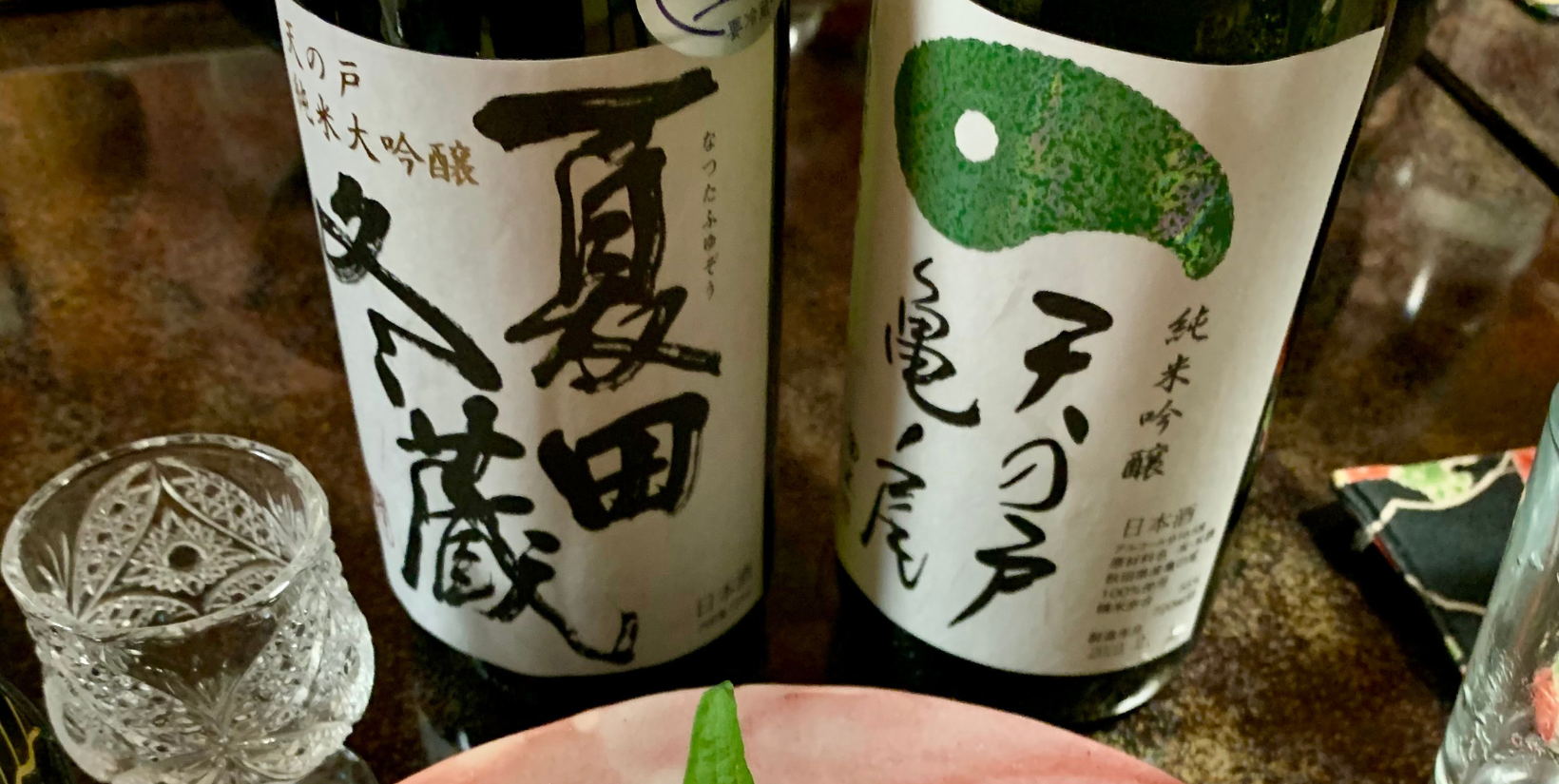
- Premium saké is generally best served cold to preserve the delicate flavors and aromas. If you choose a style suitable for heating, be sure it’s warmed gently and never brought to a boil.
- Pour saké using both hands and be sure to pour for your others rather than for yourself!
- Drink premium saké from a wine glass to experience the full array of aromas.
- Unlike wine, an open bottle of saké can stay fresh for two weeks or longer when refrigerated (if you don’t drink it first!).
- You’ll find a date on every bottle of premium saké – this is the shipping date. The bottle should be consumed within 24 months of that date for ultimate freshness.
Excellent Saké Selections in Denver
- Uchi Denver at 2500 Lawrence Street – Upscale but worth it.
- Kumoya at 2400 W 32nd Avenue – Trendy and new with a gorgeous interior and top-tier cuisine.
- Mizu Izakaya at 560 Boulder Street – A LoHi favorite with festive vibes and a reasonably priced menu.
- Ace Eat Serve at 501 E 17th Avenue – Hip, laid back, and first date-friendly, the atmosphere is playful, but the selections are serious.
- Ototo Den at 1501 S Pearl Street – As one-third of the South Pearl neighborhood’s legendary Japanese trifecta (Izakaya Den and Sushi Den cannot be ignored), the menu is innovative and traditional all at once.
- Tokio at 2907 Huron Street – Sip from traditional masu (wooden saké vessels) and enjoy approachable pricing on saké and exceptionally fresh fish, savory ramen, and yakitori.
Adventurous Food Pairing
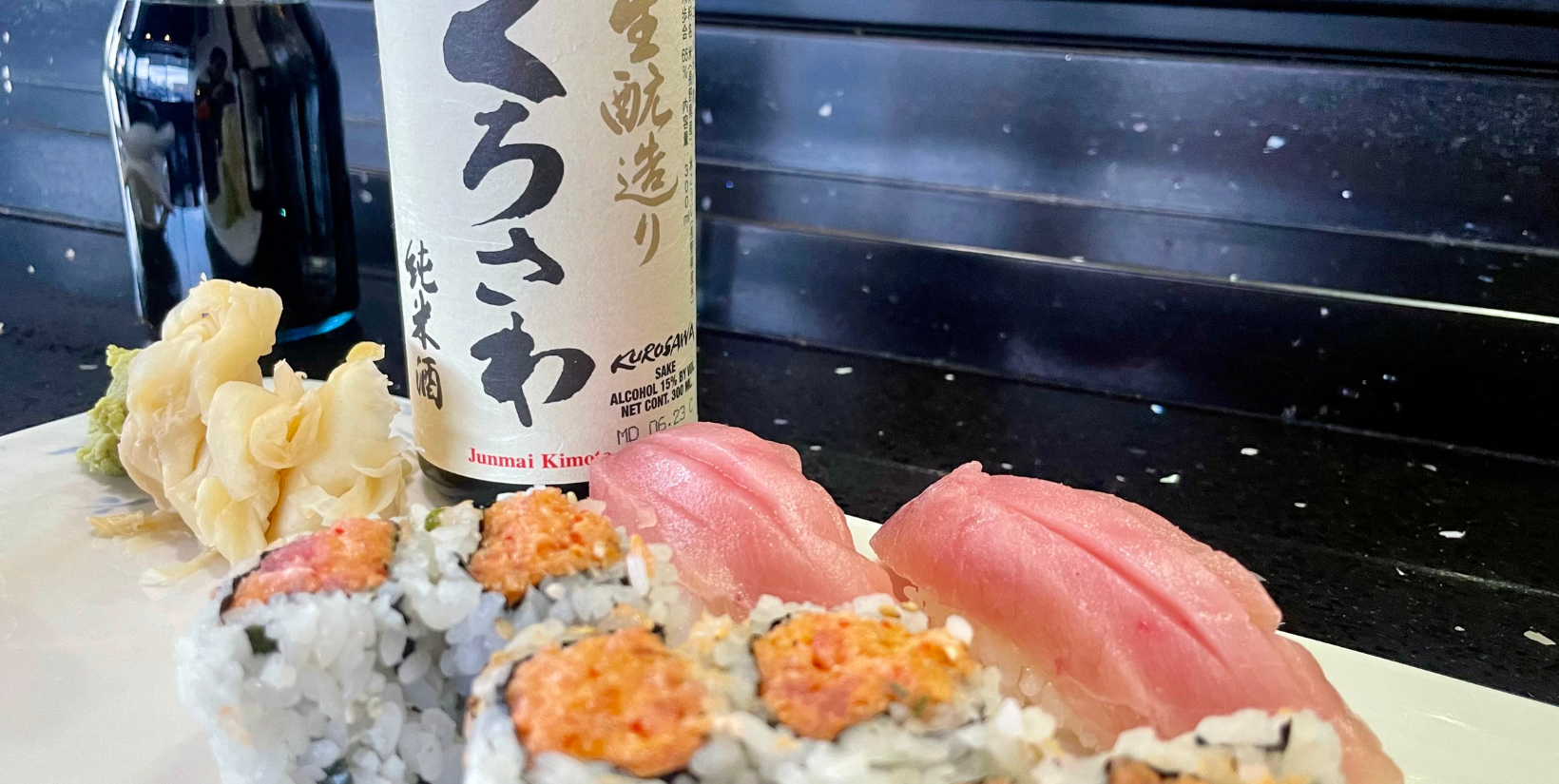
The adage, “what grows together, goes together,” holds with saké. It’s delicious with fresh fish, tempura, hot and cold noodles, and countless other Japanese dishes. That said, saké enjoyment should NOT be confined to pairing with Japanese food. It’s multidimensional and outstanding, with sweet and savory dishes and everything in between.
Guard and Grace and Death & Co. offer opportunities to enjoy saké with non-Asian cuisine. A perfectly prepared steak with a savory saké is life-changing, while a simple plate of meat and cheese can change your perception of the beverage.
Before stainless steel tanks were readily available for winemaking, Champagne producers fermented their wines in French oak barrels. Today, most producers opt for easy-to-clean, temperature-controlled tanks, which allow them to scale production. But, like so many trends that ebb and flow with the decades, oak-aged Champagnes have made a comeback on shelves and wine lists. If you’re looking for something truly opulent, an opportunity to taste these exceptional wines is a sure way to celebrate the season.
Most excellent quality Champagnes boast aromas and flavors of toast or brioche, which can seem reminiscent of oak. However, these flavors are derived as the wine rests in contact with the lees or dead yeast cells left behind from the fermentation. To appreciate the decadence of oak-aged bubbly, the only option is to try it!