Welcome to #TBT, or Throwback Thursdays, where we revisit some of the Denver metro area’s tried and true restaurants that have become institutions. For example, supercentenarian Buckhorn Exchange, which has served diners in the city since 1893. Over time, these places have weathered the shifts in our city’s restaurant landscape. As flashy newcomers enter and exit, these restaurants, bars, and cafes remain, though sometimes get overlooked by the fickle short-term attention span of a social media-driven obsession with the new and the now.
Buckhorn Exchange, Denver’s oldest restaurant still dishes out frontier fare and big-game entrees in the same building it opened in. Since the early days of Colorado statehood, the restaurant has remained a go-to spot for visitors, local families, and even big league sports teams.
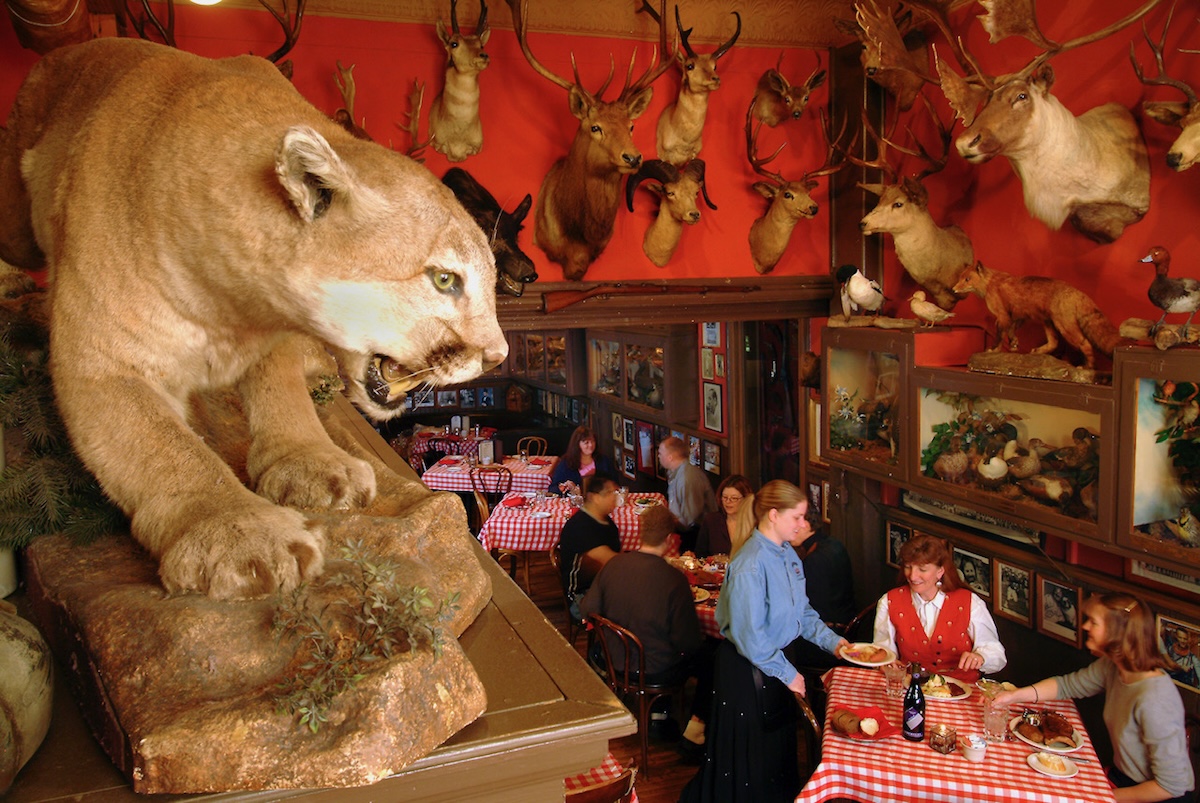
After all, the Denver Nuggets asked the restaurant to cook for them after winning the 2023 championship. From steaks on plates to taxidermy on walls and reams of memorabilia highlighted in the decor, Buckhorn Exchange retains its reputation as an Old West throwback and a Denver culinary bucket list place.
History Served Up and Poured Out
Buckhorn Exchange has watched Denver grow around its Osage Street location since a Buffalo Bill scout opened the establishment in 1893. It’s remained so steady in the century-plus since, the Wild West history of the restaurant easily stands as a symbol for the continuing evolution of the Mile High City itself.
Founded by former Buffalo Bill cohort Henry H. “Shorty Scout” Zietz, the restaurant garnered its name from the railroad yards and workers’ lodge that once stood across the street. Zietz, who was just a child when he joined Colonel William F. “Buffalo Bill” Cody’s band, opened the Buckhorn Exchange while in his 20s.
“Each Friday, the railroaders scrambled across Osage Street to exchange their paychecks for gold,” reads the Buckhorn Exchange’s website. “In return, Zietz handed each man a token good for free lunch and a beer. After all, who ever heard of a railroad man stopping after downing only one beer?”
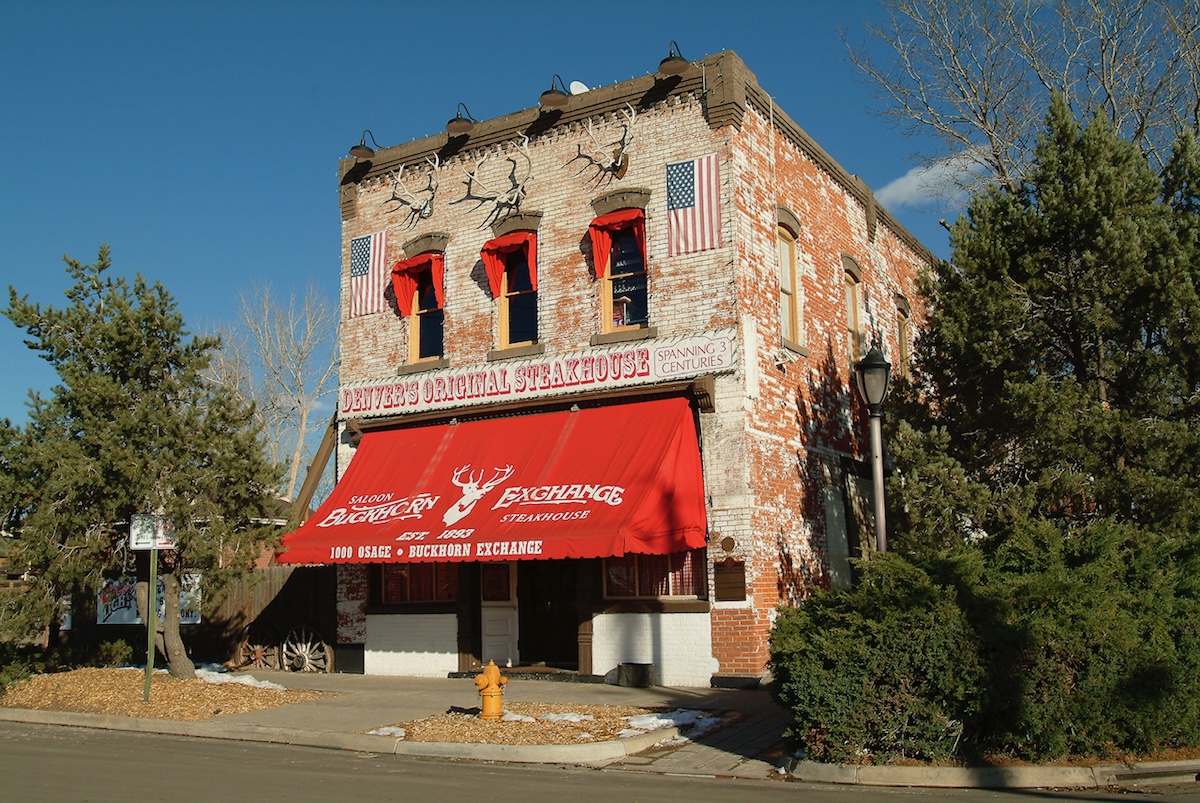
Popularity and longevity would become hallmarks of the restaurant, which hosted everyone from President Theodore Roosevelt to Roy Rogers to Princess Anne. During Prohibition, Zietz converted the front of the restaurant and saloon into a grocery store. But it wasn’t because he wanted to follow the law, according to legend, he’d smuggle whiskey in hollowed-out loaves of pumpernickel bread.
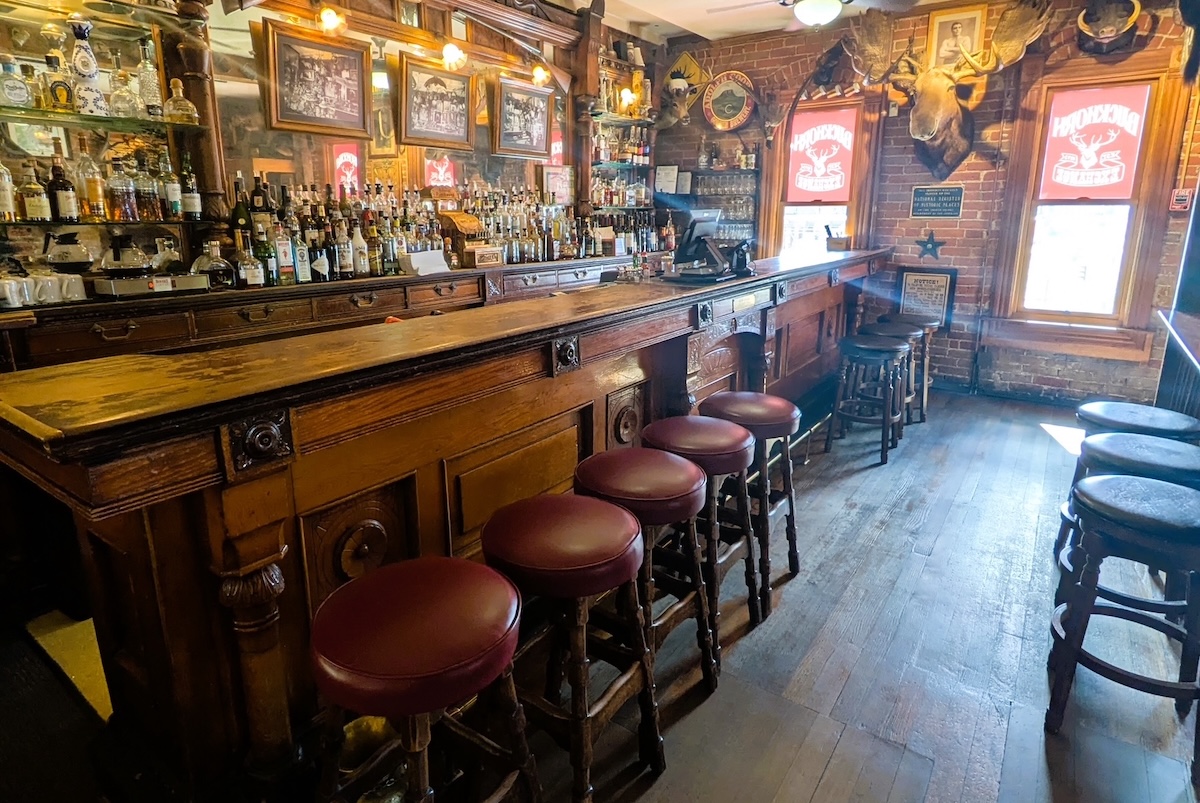
After Repeal Day on December 5, 1933, Zietz reopened his venue as the Buckhorn Restaurant and Bar, nabbing the first new Colorado liquor license. In fact, you can still see the original license on display today. On the second floor an ornate white-oak German-made bar also remains from the launch of this chapter, brought over by the Zietz family.
The Buckhorn Exchange Changes Hands While Preserving History
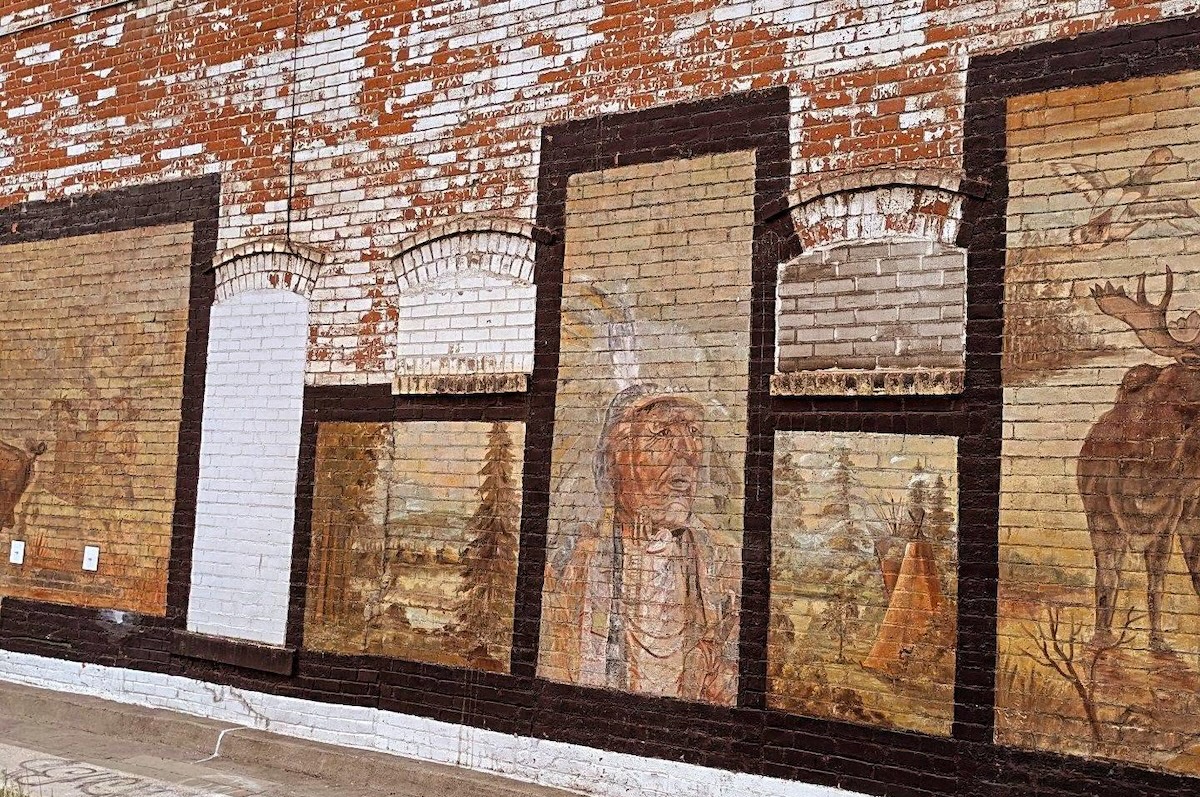
The Zietz family sold the restaurant in 1978 to a group of local investors, Buckhorn Associates, including Roi David, Steve Knowlton, and Bill Dutton. The new owners worked to preserve memorabilia from the establishment and from the state and city. One iconic save from the original era includes the 500 taxidermy pieces incorporated into Buckhorn’s distinctive decor.
The area around Osage Street has been through various iterations in the 100-plus years since Zietz opened the Buckhorn’s doors, and not all versions hold happy memories. Co-owner Bill Dutton became Buckhorn’s long-term, on-site general manager, and he recalled having rocks thrown at him by a neighborhood kid one day in the 1980s. Little did he know then that the same kid would grow to love the restaurant.
“I was maybe 13, 14 [then], still kind of rowdy, and I used to come out, throw rocks at him and take off running,” recalled Tony Perez, who was caught by Dutton in the back alley. “He’s like, ‘Hey, man, why don’t you stop throwing rocks at me and come and work for me?’”
At the age of 16 he did, and today Perez remains working at the restaurant as a manager.
Frontier Food Favorites
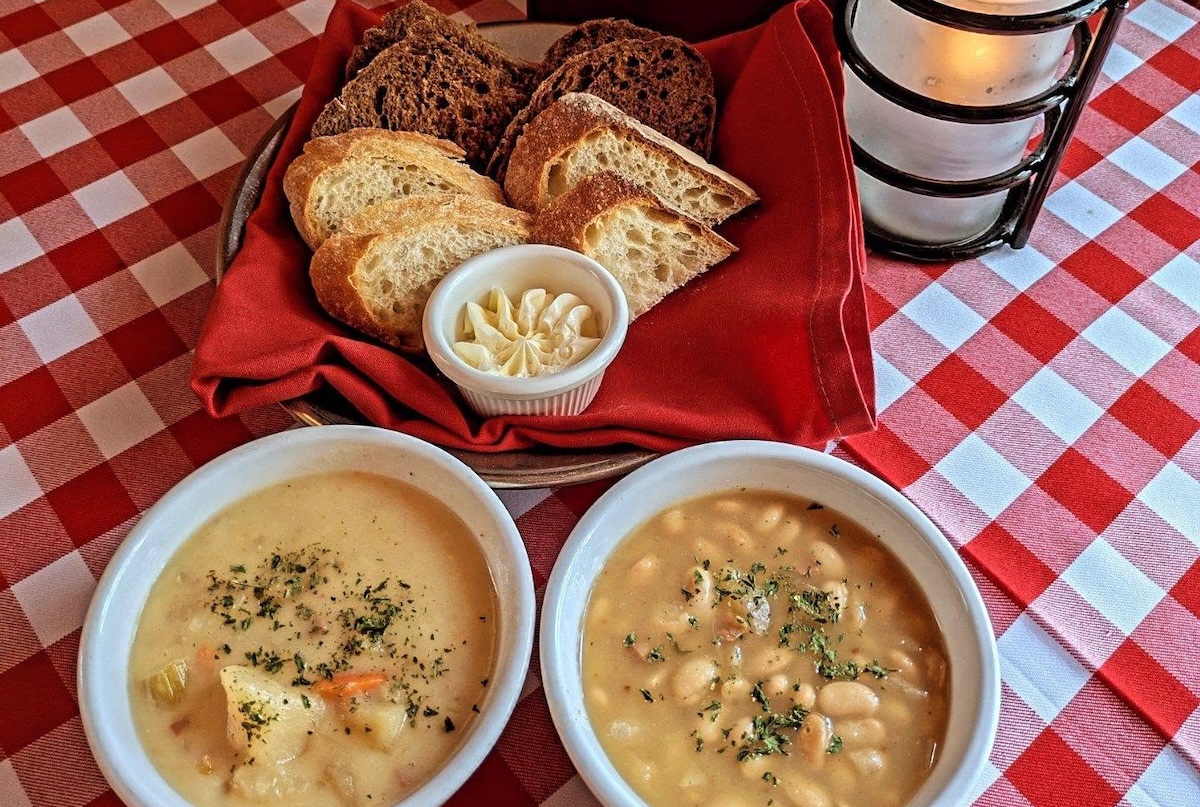
Aside from the history and memorable decor, the food at the Buckhorn also draws diners in. On the menu you’ll find dishes tracing back to the restaurant’s first days in operation. For example, navy bean and ham soup, made from Zietz’s original recipe, and Gramma Fanny’s pot roast, which patrons can enjoy for $36.
Overall, the Buckhorn remains most famous for the unusual meat offerings, as varied as the taxidermied animals on the walls. Think elk, quail, bison, rattlesnake, and alligator. Yes, you can also get that infamous Denver dish, Rocky Mountain oysters, otherwise known as bull balls.
Bison, mis-named “buffalo” on the menu, has been the main special every day since Perez started 36 years ago. While the restaurant occasionally offers specials such as lobster, the Buckhorn tries to, “stick mostly to tried-and-true and then add game meat, ostrich, bear, different kinds of stuff,” said Perez.
“We’re known for our steaks, but also a lot of wild game,” he added. “So if you want to try something unique and different, this is the place.”
The aformentioned Rocky Mountain oysters remain “the number one selling appetizer,” he said. Though, he added, “Duck wings are coming up on it very fast.”
Still, he continued, given the economy and rising food prices, even the Buckhorn is seeing diners split plates more frequently than in the past. The cost of ingredients and utilities, combined with wage increases, have made operating the restaurant harder in the years since the pandemic.
The Buckhorn Exchange of Today
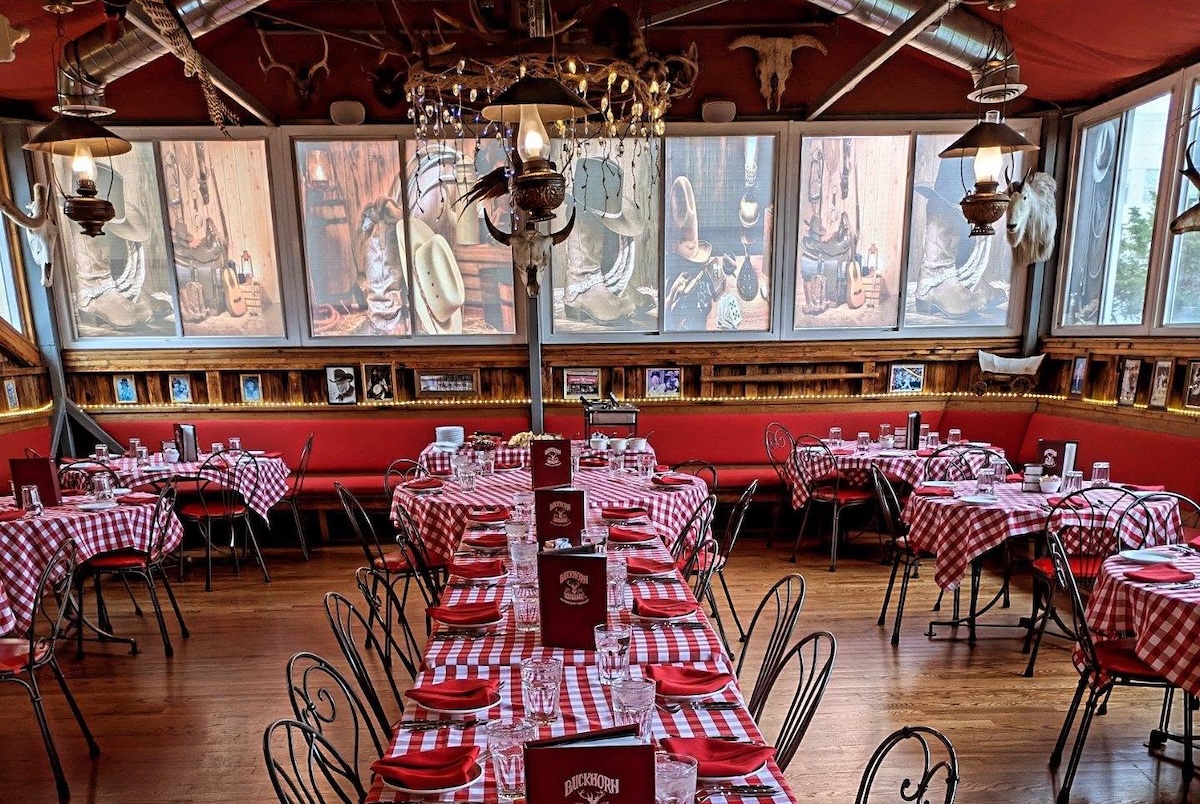
About 75% of diners now are tourists thanks to the Buckhorn repeatedly being featured on culinary shows like Food Network’s Food Paradise and Man v. Food, said Perez. Locally, the restaurant remains a special occasion spot for everything from graduations to weddings to sports championships.
Now the Buckhorn will witness building the soon-to-com new Broncos stadium, going up right on its doorstep.
“From what I understand, it’s supposed to be like a mini-city,” Perez said of the new construction. “It’s gonna have restaurants in there, bars in there [and it’s] supposed to be used year-round. So yes, we will gain foot traffic.”
It’s definitely the buzz around the restaurant, where many employees are Broncos fans too. Perez said he already is fielding questions about more shifts, more employees, the possibility of launching lunch again, which hasn’t been part of the programme since COVID-19 shut down the city.
The new construction won’t slow down the 100-year-old-plus restaurant. In fact, said Perez, the team plans on ramping up and being busier than ever.
Visit The Buckhorn Exchange from 5 to 9:30 p.m. on Monday through Thursday; 4 to 9:30 p.m. on Saturday; and 4 to 9 p.m. on Sunday. 1000 Osage St., Denver, buckhorn.com